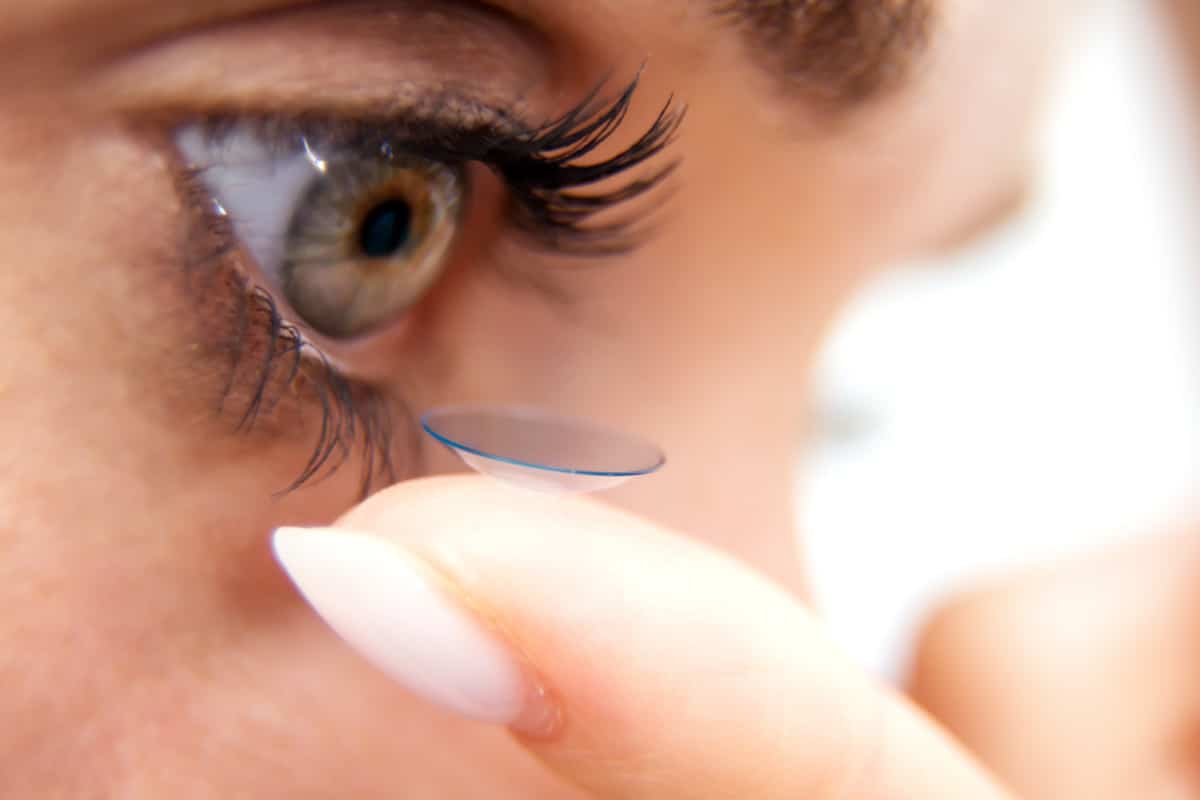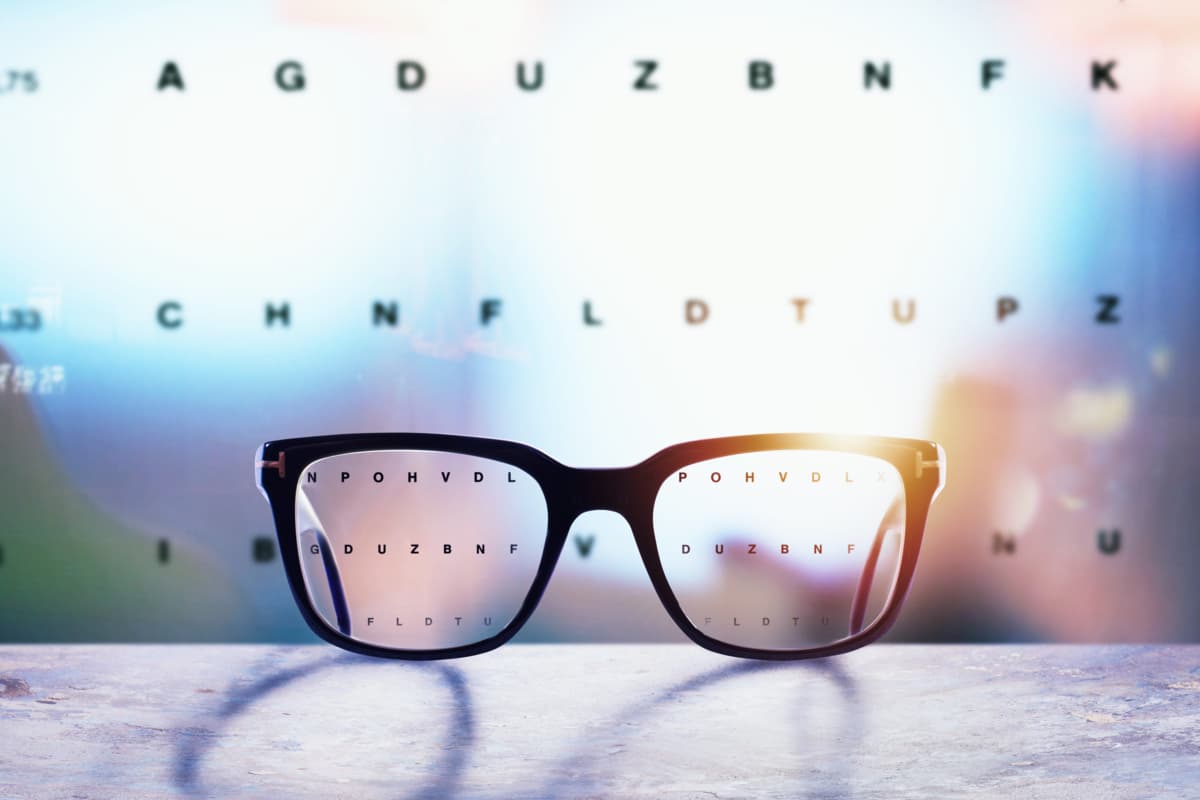

Contact lenses are designed to provide clear, convenient vision. For many people, they are a comfortable alternative to glasses during work, exercise, and daily activities. However, some patients experience recurring headaches after wearing contacts, especially after extended use.
Headaches associated with contact lenses often develop when the eyes must work harder than normal to maintain focus. Factors such as lens power, lens fit, and prolonged near work can all contribute to eye strain. At Art of Optiks, we help patients identify the underlying causes and optimize their lenses for better comfort and visual efficiency.
Why Contact Lens Wear Can Trigger Headaches
Contact lenses sit directly on the eye’s surface, which means their fit and prescription must be precise. When lenses do not match the eye’s needs exactly, the visual system may compensate by working harder to maintain focus.
The American Optometric Association explains that contact lenses require a precise prescription and professional fitting to maintain proper comfort and eye function. Small differences in prescription strength or lens parameters can increase visual effort and lead to discomfort.
Incorrect Lens Power
Even minor prescription differences can affect how the eyes focus during everyday tasks, particularly for patients with stronger prescriptions, where small measurement inaccuracies can create disproportionate focusing effort. When lenses are slightly too strong or too weak, the eyes must continuously adjust to maintain clear vision.
This extra effort can lead to symptoms such as:
- Recurring headaches
- Eye fatigue
- Difficulty focusing after long wear
- Blurred vision later in the day
Headaches caused by incorrect lens power often become more noticeable during reading, computer work, or driving. Updating the contact lens prescription can help reduce this unnecessary strain.
Poor Lens Fit
Contact lenses must align properly with the cornea to provide stable vision and comfort. If the base curve or diameter does not match the eye’s shape, the lens may move excessively or sit incorrectly. Poor lens fit can cause irritation, dryness, or unstable vision. When the visual system tries to compensate for these changes, headaches may develop.
Eye doctors evaluate lens movement, tear film interaction, and overall comfort during a professional fitting. These evaluations help ensure the lens performs correctly throughout the day. A properly fitted contact lens reduces visual stress and supports consistent vision.
Near Work and Contact Lens Fatigue
Many headaches associated with contact lenses occur during prolonged near work. Activities such as reading, computer use, and smartphone viewing require continuous focusing effort. When the eyes maintain this effort for long periods, fatigue can develop.
Prolonged Screen Use
Digital devices require the eyes to maintain close focus for extended periods. This process, known as accommodation, can fatigue the focusing muscles around the eye.
Common symptoms of near-work fatigue include:
- Headaches behind the eyes
- Tired or heavy eyes
- Difficulty maintaining focus
- Fluctuating vision clarity
Contact lens wearers may notice these symptoms more quickly if their prescription does not fully support near work demands. Visual habits play an important role in determining how comfortable contact lenses feel throughout the day.
Why Added Lens Power Sometimes Helps
In some cases, eye doctors may adjust a contact lens prescription to reduce focusing strain. Small prescription changes or specialized lens designs can help relax the eyes during near tasks.
For patients who spend many hours working on computers, these adjustments can significantly improve comfort. Reducing focusing effort helps prevent fatigue that contributes to headaches. Tailoring the prescription to match real-world activities can greatly improve contact lens comfort.
When Contact Lens Brand or Design Matters
Not all contact lenses are designed the same way. Different brands use different materials, shapes, and oxygen permeability levels that influence how lenses interact with the eye. Selecting the right lens design can make a noticeable difference in long-term comfort.
Lens Material and Oxygen Flow
Modern contact lenses are made from materials that allow oxygen to pass through the lens to the cornea. Adequate oxygen flow helps maintain eye health and reduce irritation. Some materials are more breathable than others. Patients who experience dryness or discomfort may benefit from lenses designed for improved oxygen transmission. Material choice can also influence how stable the lens remains during blinking. Selecting the appropriate material often improves both comfort and visual stability.
Trial Lenses and Adjustments
Contact lens fittings typically involve trial lenses so patients can test different options before committing to a final prescription. These trial periods allow doctors to evaluate how lenses perform during normal daily activities.
Patients may test several brands or designs before identifying the best match. Adjustments to lens parameters can also improve comfort and clarity. This process ensures that the final prescription reflects real-world performance rather than theoretical measurements.
How Art of Optiks Diagnoses Contact Lens Headaches
Our dedicated eye doctors conduct thorough adult eye exams to carefully assess various factors when patients experience headaches from contact lenses. This process helps identify whether the issue relates to prescription strength, lens design, or daily visual habits.
Reviewing Vision and Daily Work Habits
Our doctors often begin by asking about your daily visual activities. Screen time, reading habits, and work environments can all influence how the eyes respond to contact lenses. Understanding these patterns helps determine whether near work is contributing to eye strain. They may also review your history with previous lenses to identify patterns of discomfort. These conversations provide valuable insight into the causes of recurring headaches.
Tracking Symptoms and Adjusting Prescriptions
In some cases, our doctors will ask you to track when headaches occur and what activities precede them. This information helps identify whether symptoms relate to lens wear duration, screen use, or environmental factors.
Adjustments to lens power, brand, or wearing schedule may then be recommended. By monitoring symptoms over time, we can refine the prescription and lens choice for optimal results. This personalized approach helps eliminate unnecessary visual strain.
Why Professional Contact Lens Fittings Matter
Professional contact lens fittings ensure that lenses match the shape and needs of each patient’s eyes. This process helps reduce complications while improving long-term comfort.
Benefits of professional fittings include:
- Precise measurements of lens parameters
- Access to trial lenses and adjustments
- Monitoring of eye health during wear
- Personalized recommendations for lens types
Professional guidance helps patients avoid many of the issues that lead to recurring headaches. A properly fitted contact lens system supports both vision clarity and eye health.
Find Comfortable Contact Lenses at Art of Optiks

Recurring headaches while wearing contact lenses are often a sign that something in the visual system needs adjustment. Identifying the underlying cause can lead to significant improvements in comfort and visual clarity.
At Art of Optiks, with locations in Wayzata and Edina, patients receive personalized evaluations designed to optimize contact lens fit and reduce eye strain, including expertise with stronger prescriptions where small measurement inaccuracies can create disproportionate visual discomfort. Contact Art of Optiks to schedule a fitting and address what may actually be behind your headache symptoms.