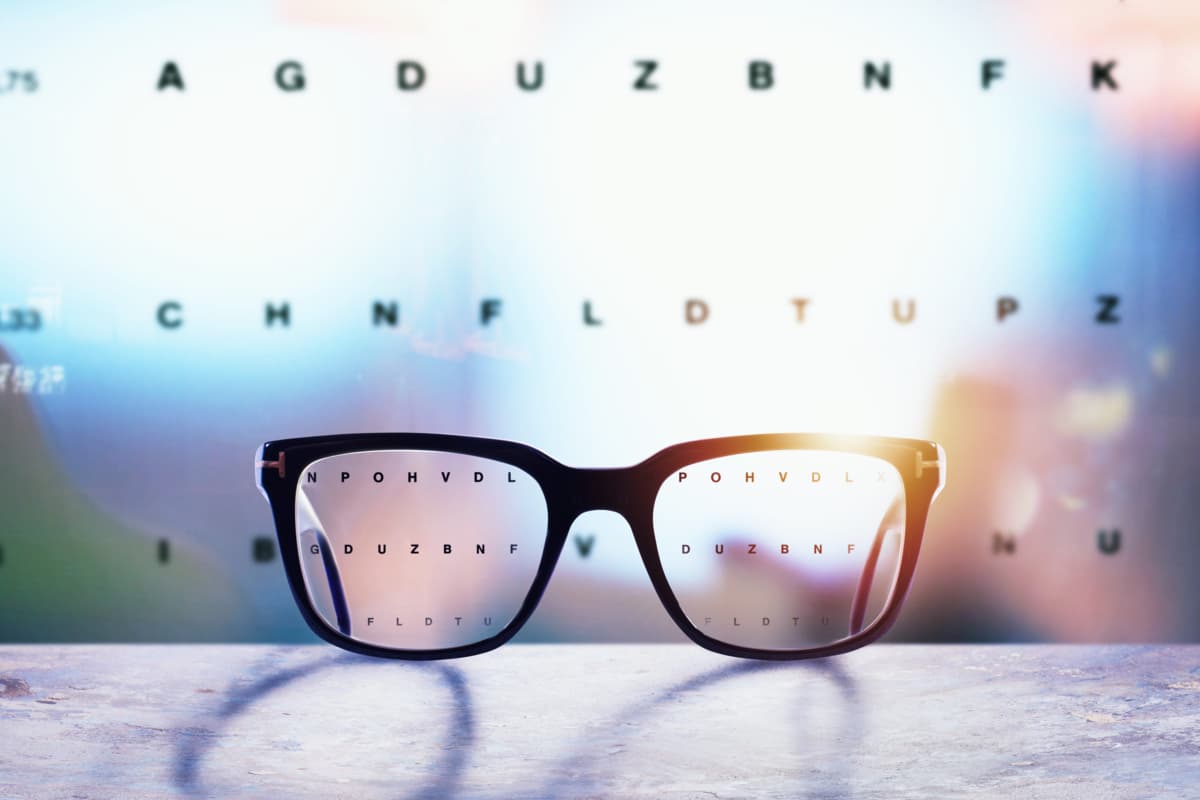

Getting new glasses often improves vision clarity, but some people notice temporary discomfort during the first few days. Headaches, light sensitivity, or mild dizziness may occur as the eyes and brain adjust to the updated prescription.
A new prescription glasses headache is usually part of the normal adaptation process. At Art of Optiks, patients are guided through this transition with careful frame adjustments and follow-up support to ensure their new eyewear provides clear, comfortable vision.
Why New Glasses Can Cause Headaches
When a prescription changes, the eyes must adjust to a new way of focusing light. The brain also needs time to interpret visual information differently, especially if the correction is stronger or the lenses include new features.
According to the American Optometric Association, it can take several days for the brain and eyes to adapt to a new prescription, depending on how much the prescription has changed and the type of lenses involved. During this short adjustment period, some people may notice mild symptoms while their visual system adapts.
How Vision Adjustment Works
Vision involves constant coordination between the eyes and the brain. When glasses change the way light enters the eye, the brain must recalibrate how it interprets visual information.
Common temporary symptoms may include mild headaches, eye strain, light sensitivity, and slight dizziness. These symptoms occur because the brain is learning to process images differently than it did with the previous prescription.
When Adjustment Symptoms Are Normal
For most patients, adaptation to new single-vision glasses takes a few days, while progressive or significantly stronger prescriptions may take up to two weeks. Wearing the new glasses consistently during this period helps the brain adjust more efficiently.
If symptoms gradually improve over the first week or two, they are typically considered part of a normal adjustment discomfort. This temporary strain often fades entirely once the eyes and brain become fully accustomed to the new prescription.
Progressive Lenses and Peripheral Distortion
Patients receiving progressive lenses typically need a longer adjustment period (often 10 to 14 days) before the brain fully maps the lens design. Progressive lenses contain multiple viewing zones that allow clear vision at different distances without visible lens lines. Because these lenses change focus gradually across the lens surface, the visual experience may feel different from single-vision lenses.
Why Progressive Lenses Feel Different
Progressive lenses include several focal zones designed for distance, intermediate, and reading vision. Peripheral areas of the lens may produce mild distortion until the brain learns how to use each zone effectively.
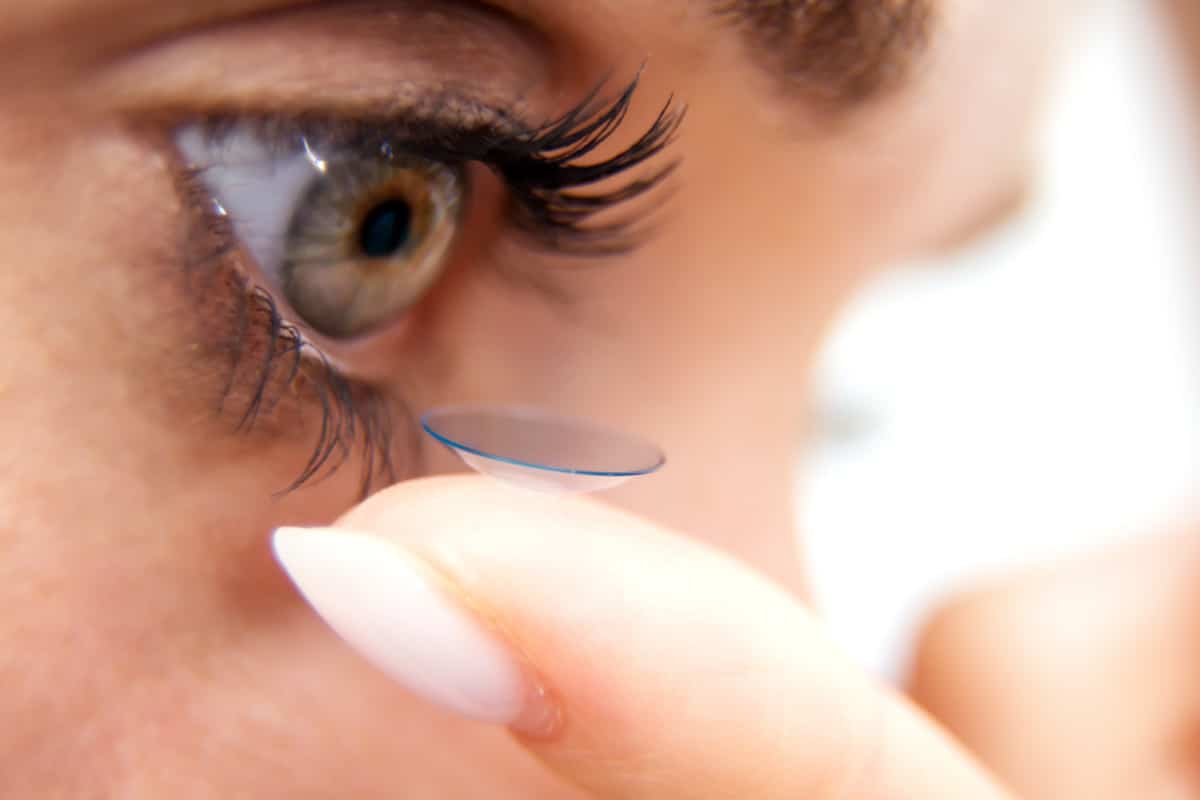
Patients who have never worn progressive lenses before may initially notice shifting visual areas when looking to the side. This sensation usually decreases as the brain adapts to the lens design. However, if the distortion from glasses remains frustrating, you can consider switching to progressive contact lenses after 40 for a more natural visual experience without peripheral boundaries.
Learning New Viewing Habits
Adapting to progressive lenses often involves developing new viewing habits that help locate the correct visual zones.
Helpful strategies include:
- Turning the head instead of moving only the eyes
- Positioning reading materials slightly lower in the field of view
- Adjusting posture when using a computer
- Giving the brain time to adapt to the new visual zones
These small adjustments allow the visual system to adapt more quickly to progressive lens designs. Understanding how progressive lenses function helps reduce frustration during the adjustment period. Patients who continue to struggle may want to discuss multifocal contact lenses with their eye doctor as a potential alternative that avoids progressive lens distortion entirely.
When Headaches May Signal a Prescription Issue
While mild headaches are common during the adjustment period, persistent symptoms may indicate that the prescription or frame alignment needs to be evaluated, especially if you’ve also noticed other signs that it’s time to update your eye prescription in recent weeks. A small change in lens strength or positioning can sometimes affect visual comfort. Returning to the eye doctor for a quick evaluation can help determine whether further adjustments are necessary.
Prescription Strength Changes
If the new prescription differs significantly from the previous one, the eyes may need additional time to adapt. Stronger corrections can alter how the eyes focus and coordinate during everyday tasks. In some cases, headaches may occur if the prescription needs fine-tuning. Eye doctors can review the prescription and determine whether adjustments are needed.
Lens Position and Frame Alignment
The way glasses sit on the face also affects visual performance. If frames are misaligned or sit too high or low, the optical center of the lenses may not align correctly with the eyes. Professional frame adjustments can help correct these issues. Opticians may modify nose pads, temple alignment, or frame balance to improve visual clarity.
Binocular Vision Dysfunction (BVD) and Headaches
In some cases, headaches associated with glasses may be related to how the eyes work together. Binocular vision dysfunction occurs when the eyes struggle to maintain proper alignment while focusing. This condition can sometimes mimic symptoms associated with incorrect prescriptions.
What BVD Is
Binocular vision dysfunction occurs when the eyes are slightly misaligned and must constantly compensate to maintain single vision. This extra effort can lead to visual fatigue and headaches. Patients with BVD may also experience symptoms such as dizziness, difficulty concentrating, or discomfort during reading.
How Prism Lenses Help
Prism lenses are designed to help align images seen by each eye. By correcting subtle misalignment, prism lenses can reduce visual strain and improve comfort. This treatment option may be recommended after specific tests, such as a cover test, prism cover test, or fixation disparity assessment, that evaluate how well the eyes coordinate during focused vision.
Identifying binocular vision dysfunction allows doctors to address the underlying cause of persistent symptoms. Targeted lens solutions can significantly improve visual comfort for affected patients.
Tips for Adjusting to New Glasses
Adapting to a new prescription becomes easier when patients follow simple habits that support visual adjustment. Consistency and patience are key during the first few days of wear. Making small changes in daily routines can help the brain adapt more quickly.
Reviewing professional tips for reducing headaches during this transition period can help minimize eye strain and ensure your eyes adapt comfortably to your new lenses.
- Wear the new glasses consistently throughout the day
- Avoid switching back to the old prescription
- Allow several days for visual adjustment
- Ensure frames are properly fitted by an optician
These habits help the visual system adapt efficiently to the new prescription. Proper lens alignment also plays a major role in comfort, and is often harder to achieve without professional fitting. Reviewing the risks of ordering prescription eyeglasses online can help explain why frames purchased without an in-person measurement may be more likely to cause misaligned focal points or persistent discomfort. If symptoms persist beyond the expected adjustment period, a follow-up evaluation may be recommended.
Choose Art of Optiks for Vision Care
Receiving a new prescription involves more than simply selecting lenses. Proper fitting, accurate measurements, and follow-up care all contribute to long-term visual comfort, especially during the adjustment period, when even small misalignments can cause unnecessary discomfort.
- Comprehensive eye exams that evaluate both vision and how the eyes work together.
- Binocular vision testing for patients with persistent visual discomfort.
- Precision frame fitting and re-adjustments by experienced opticians.
- Follow-up support during the adaptation period for new glasses.
- Honest guidance on whether discomfort is normal or warrants further evaluation.
When a new prescription discomfort persists beyond the normal adjustment window, having a practice that can troubleshoot the cause, whether it’s frame alignment, lens centering, or an underlying binocular vision issue, makes the difference between lingering symptoms and confident, comfortable wear.
Get Expert Guidance for Comfortable Vision
Headaches from new glasses are often temporary, but persistent discomfort should be evaluated to ensure the prescription and frame fit are correct. Early adjustments can prevent prolonged strain and help patients enjoy the full benefit of their new eyewear. At Art of Optiks, we help patients adapt to new prescriptions and ensure glasses provide clear, comfortable vision. Contact Art of Optiks today to receive expert guidance and support for adjusting to your new glasses.