

Getting a new prescription is supposed to improve comfort and clarity, yet some patients notice discomfort shortly after putting on their updated eyewear. Experiencing a headache with new glasses can feel concerning, especially when the prescription is meant to help, not hurt. In many cases, this sensation is temporary and part of the adjustment process, but that is not always true.
At Art of Optiks, we often hear this question from Minnesota patients after an eyewear update. Understanding why headaches can happen, what is considered normal, and when to seek care helps prevent unnecessary worry and ensures your vision correction works as intended.
Why Headaches Can Happen With New Glasses
A new prescription changes how your eyes and brain process visual information. Even small adjustments can temporarily alter focus, depth perception, and eye coordination. During this short transition, it’s normal for some people to notice mild pressure around the eyes or forehead, especially during the first several days of wear. Most people adjust to new glasses within a few days to two weeks, but those with stronger or more complex prescriptions may need more time to feel comfortable.
Visual Adaptation and Prescription Changes
When your prescription changes, your brain must relearn how to interpret visual input. This adaptation process can temporarily strain the visual system, especially if the correction is stronger or different from before. During this time, mild discomfort may appear as your eyes adjust to new focusing demands.
Adaptation varies from person to person and depends on how much the prescription has changed. Most patients adjust without issue, but sensitivity can occur during the early days of wear.
Lens Power, Alignment, and Eye Muscle Strain
New lenses alter how your eyes align and focus together. If your eye muscles work harder to maintain clarity, tension can develop. This muscular effort may result in discomfort that feels like pressure or fatigue around the eyes or forehead.
Proper lens alignment and accurate measurements reduce unnecessary strain. Even a correct prescription can feel uncomfortable if alignment is off.
Why Headaches Are More Common With Certain Prescriptions
Some prescriptions require more adaptation than others. Multifocal lenses, prism corrections, or significant changes in lens power often require additional adjustment time. These designs change how your eyes move between focal points, which can temporarily increase visual effort.
Understanding the type of prescription helps explain why some patients notice symptoms while others do not.
What’s Considered Normal Adjustment Discomfort
Not all discomfort indicates a problem. Knowing what falls within a normal range helps patients monitor symptoms appropriately.
Typical Duration of Adjustment
Mild discomfort typically resolves within a few days to two weeks. During this period, the brain and eyes adapt to the new visual input. Wearing the glasses consistently, rather than switching back and forth, often helps shorten the adjustment period. Consistency allows the visual system to adapt more efficiently.
Mild Symptoms vs Red Flags
Normal adjustment symptoms may include light pressure, eye fatigue, or brief discomfort that improves over time. These sensations should lessen each day. Sharp pain, worsening symptoms, or persistent discomfort may signal an issue that requires evaluation. Paying attention to patterns helps determine whether symptoms are improving or progressing.
Factors That Influence Adaptation Time
Several factors affect how quickly patients adjust, including age, prescription complexity, screen use, and visual demands at work or school. Stress and fatigue can also contribute. Understanding these influences helps set realistic expectations.
When a Headache Is Not Normal
While some discomfort is expected, certain symptoms should not be ignored. These situations warrant professional evaluation.
Persistent or Worsening Headaches
If the discomfort does not get better or worsens over time, it could suggest a problem with the accuracy of the prescription or the fit of the lenses. Continuing to experience headaches from new eyeglasses is not something patients should ignore. Seeking early evaluation can help avoid extended discomfort.
One-Sided Pain, Dizziness, or Visual Distortion
Headaches accompanied by dizziness, blurred vision, or discomfort on one side may suggest alignment or focusing issues. These symptoms fall outside normal adaptation and should be evaluated promptly. Changes like these can affect daily activities and safety.
Headaches That Interfere With Daily Activities
If headaches disrupt work, driving, or reading, further evaluation is needed. Vision correction should enhance function, not limit it. Ignoring interference may delay relief.
How Eye Exams and Fittings Affect Headaches
Proper eye evaluation and fitting play a critical role in preventing discomfort after an eyewear update.
The Role of a Comprehensive Eye Exam
An eye exam evaluates not only prescription strength but also eye coordination, focusing ability, and overall eye health. These factors influence how well new lenses will perform. Exam findings guide adjustments that reduce strain. Skipping or rushing this step increases the risk of discomfort.
Why Proper Measurements and Fit Matter
Lens placement, frame alignment, and pupillary measurements determine how light enters the eye. Improper fit can cause visual distortion even with an accurate prescription. Professional adjustments ensure lenses sit correctly and comfortably. Fit issues are a common cause of unresolved discomfort.
When Lens Adjustments or Rechecks Are Needed
If symptoms persist, a recheck allows optometrists to fine-tune lenses or fit. Small changes can make a significant difference. Adjustments help ensure vision correction supports comfort and clarity.
What to Do If Headaches Continue
Knowing the next steps helps patients address discomfort without guesswork.
When to Contact Your Optometrist
If discomfort persists beyond the expected adjustment period or worsens, contact your optometrist. A continued headache should always be evaluated rather than ignored. Prompt communication leads to faster resolution.
Why Self-Diagnosis Can Delay Relief
Trying to diagnose the cause independently may delay effective solutions. Vision discomfort can have multiple contributing factors that require professional evaluation. Relying on expert guidance ensures appropriate care.
How Alternative Solutions May Be Evaluated
In some cases, alternative options such as lens design changes or a contact lens fitting may provide better comfort. Exploring these options depends on exam findings and individual needs.
Why Choose Art of Optiks for a Comprehensive Eye Exam?
A comprehensive eye exam should identify more than prescription changes. It should explain why discomfort happens and how to correct it effectively. At Art of Optiks, our approach focuses on accuracy, function, and long-term comfort.
Patients choose us because we provide:
- Advanced diagnostic testing to evaluate vision clarity, eye coordination, and focusing issues that can contribute to headaches.
- Experienced optometrists who assess how your eyes function in real-world conditions, not just on an eye chart.
- Personalized evaluations and follow-up care to fine-tune prescriptions or fit when symptoms persist.
This clinical, patient-focused approach helps ensure new prescriptions support comfort, clarity, and everyday visual demands.
Find Relief and Clarity With the Right Guidance
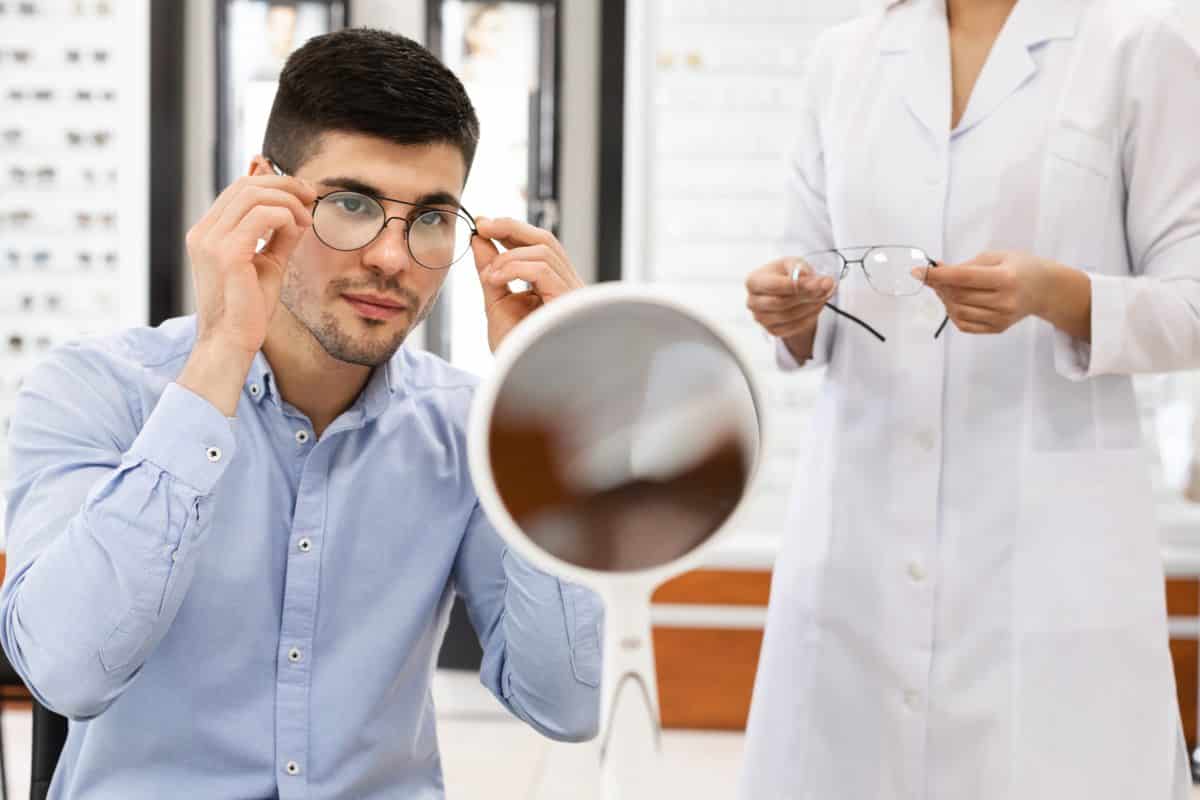
Experiencing a headache with new glasses can be unsettling, but it is not always a sign of a problem. Mild, temporary discomfort is common during adaptation, while persistent or worsening symptoms deserve attention. Understanding the difference empowers patients to take the right steps at the right time.
At Art of Optiks, we help Minnesota patients navigate these situations with careful evaluation and personalized solutions. Whether you need a comprehensive eye exam, lens adjustment, or guidance on alternative options, our focus remains on comfort, clarity, and long-term eye health. If headaches continue after updating your eyewear, contact Art of Optiks to schedule an evaluation and get expert support tailored to your vision needs.