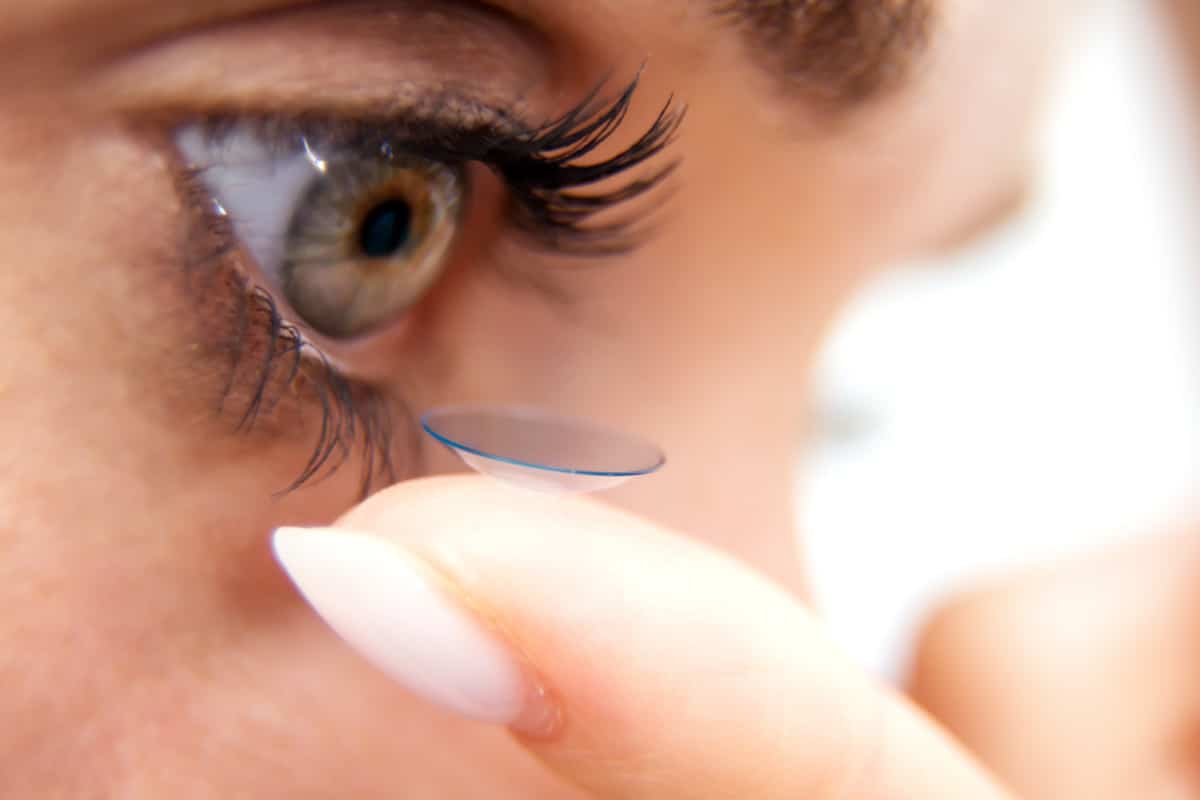

Contact lenses are available in many designs, materials, and replacement schedules. While most people think of contacts as a simple alternative to glasses, modern lenses are engineered to address specific prescriptions, comfort preferences, and lifestyle needs.
At Art of Optiks, selecting contact lenses involves more than choosing a brand. Doctors evaluate eye health, prescription stability, and daily habits to recommend lenses that provide clear vision while supporting long-term ocular health.
What Are the Main Types of Contact Lenses?
Contact lenses can be grouped into several categories based on their material and design. Each type is developed to solve different visual challenges, ranging from routine refractive correction to more complex eye conditions.
According to the CDC Vision Health Initiative, about 45 million people in the United States wear contact lenses, making them one of the most common forms of vision correction today. Because so many people rely on contacts, lens technology has expanded significantly. Doctors now have access to a wide range of lens types that can be tailored to comfort, prescription strength, and eye health needs.
1. Soft Contact Lenses
Soft contact lenses are the most commonly prescribed lenses in the United States. These lenses are made from flexible materials that allow oxygen to pass through to the cornea while maintaining a comfortable fit.
Many patients prefer soft lenses because they adapt quickly and provide stable vision during daily activities. Modern silicone hydrogel materials have improved breathability, helping reduce dryness and irritation for long hours of wear.
2. Rigid Gas Permeable (Hard) Lenses
Rigid gas permeable lenses, often called hard contact lenses, are smaller and firmer than soft lenses. They provide highly precise vision correction and are often recommended for patients with irregular corneas or complex prescriptions.
Although adaptation can take longer, these lenses offer excellent optical clarity and durability. For certain conditions, they can provide sharper vision than soft lenses because they maintain their shape in the eye.
3. Specialty Contact Lenses
Specialty contact lenses are designed for specific visual needs or eye conditions. These lenses are customized to improve comfort, clarity, or ocular surface protection. Examples include:
- Toric lenses for astigmatism.
- Multifocal lenses for presbyopia.
- Scleral lenses for irregular corneas or dry eye.
- Hybrid lenses that combine soft and rigid features.
Each type serves a different purpose, which is why professional evaluation is essential before selecting a lens design. Understanding the material and design differences helps patients narrow down the most appropriate options for their eyes.
Daily vs. Weekly vs. Monthly Contact Lenses
Beyond lens design, contact lenses also differ in replacement schedules. These schedules affect convenience, hygiene, and long-term eye health. Doctors typically recommend a replacement schedule based on the patient’s lifestyle, eye health history, and tolerance for lens care routines.
Daily Disposable Lenses
Daily disposable lenses are designed to be worn once and discarded at the end of the day. Because a fresh pair is used each day, these lenses often provide excellent hygiene and convenience.
Advantages of daily lenses include:
- No cleaning or storage required
- Reduced protein and deposit buildup
- Lower risk of lens contamination
- Ideal for travel and occasional wear
Many patients find daily lenses to be the simplest option for maintaining consistent eye health.
Bi-Weekly and Monthly Lenses
Reusable lenses are designed to be worn for multiple days or weeks before replacement. These lenses require proper cleaning and storage to remain safe and comfortable. Common considerations for reusable lenses include:
- Lower per-lens cost compared to daily lenses
- Regular cleaning and disinfecting routines
- Lens case hygiene and solution use
- Replacement every two weeks or monthly
Choosing between daily and reusable lenses often hinges on convenience and the patient’s adherence to the contact lens care routine. Replacement schedules are just one aspect to consider when finding the best contact lens for an individual.
How Contact Lens Materials Affect Comfort
Modern contact lenses are made from advanced materials designed to improve oxygen flow and hydration. These factors are critical for maintaining healthy corneas during extended wear.
Breathability and Oxygen Transmission
The cornea receives oxygen directly from the air, which means contact lenses must allow sufficient oxygen to pass through the material. Modern silicone hydrogel lenses significantly improve oxygen transmission compared to earlier lens designs.
Higher oxygen permeability helps reduce redness, dryness, and long-term corneal stress. This improvement has made contact lenses safer and more comfortable for many patients who previously struggled with older materials.
Hydration and Lens Stability
Moisture retention is another critical factor in lens comfort. Some materials are designed to maintain hydration throughout the day, helping reduce dryness during screen use or long work hours.
Patients who experience dry eye symptoms may benefit from lenses with enhanced moisture technology. Doctors may also recommend specific replacement schedules or specialty lenses to improve stability and comfort.
Safety Considerations When Wearing Contact Lenses
While contact lenses are widely used and generally safe, proper wear habits are essential for protecting eye health. Many complications associated with contacts occur when hygiene practices are ignored.
Water Exposure and Infection Risk
Water exposure is one of the most common causes of contact lens complications. Water can introduce microorganisms that may lead to serious eye infections. Patients should avoid:
- Swimming while wearing contacts
- Showering with lenses in place
- Rinsing lenses with tap water
- Storing lenses in water instead of disinfecting solution
These simple precautions can significantly reduce infection risk.
FDA Approval and Lens Regulation
Contact lenses are regulated medical devices approved by the FDA for specific wear schedules. These guidelines determine how long a lens can be worn safely before replacement.
Following the recommended replacement schedule is important for preventing deposit buildup and maintaining lens performance. Safe contact lens wear always begins with a professional fitting and clear instructions from an eye care provider.
How Eye Doctors Help You Choose the Best Lens
Selecting the right contact lens involves more than choosing a brand or replacement schedule. Doctors evaluate several clinical factors that influence comfort and visual performance. During a contact lens evaluation, doctors typically assess:
- Corneal shape and curvature
- Tear film stability
- Prescription strength and type
- Daily lifestyle and screen use
- History of dry eye or irritation
Because every eye is different, a customized fitting process is the most reliable way to achieve successful contact lens wear.
Why Choose Art of Optiks for Contact Lens Eye Care
Contact lens fittings require precision, experience, and access to a wide range of lens technologies. At Art of Optiks, patients receive personalized care designed to optimize both comfort and vision quality. Patients choose Art of Optiks for:
- Comprehensive contact lens evaluations
- Access to advanced lens technologies
- Specialty lens expertise for complex prescriptions
- Personalized recommendations based on lifestyle
- Follow-up visits to refine fit and comfort
This individualized approach ensures that each patient receives lenses suited to their vision goals and daily routine.
Get Expert Guidance on Choosing the Right Contact Lenses

Choosing contact lenses involves more than selecting a replacement schedule or brand. A professional evaluation helps determine which lens type best supports your vision, comfort, and long-term eye health.
The doctors at Art of Optiks provide personalized contact lens consultations that evaluate prescription needs, corneal shape, and lifestyle habits. Contact Art of Optiks today to learn more about your options and find contact lenses designed to support clear, comfortable vision.