
Many patients associate a refraction with the familiar question, “Which is clearer, one or two?” While that comparison is part of the process, a refraction is more than a quick lens check. It is a structured measurement that helps determine how your eyes focus and how your prescription may be changing.
At Art of Optiks, refraction is not treated as a standalone task. It is part of a broader assessment of eye health, comfort, and performance. Tracking subtle prescription shifts can reveal changes related to age, medical conditions, or lifestyle demands.
What a Refraction Actually Measures
A refraction determines the precise lens power needed to correct refractive error such as nearsightedness, farsightedness, or astigmatism. It evaluates how light focuses on the retina and identifies the adjustments necessary for clear vision.
The American Optometric Association states that a comprehensive eye examination includes a refraction to determine the appropriate lens power to correct refractive error.
Objective vs. Subjective Testing
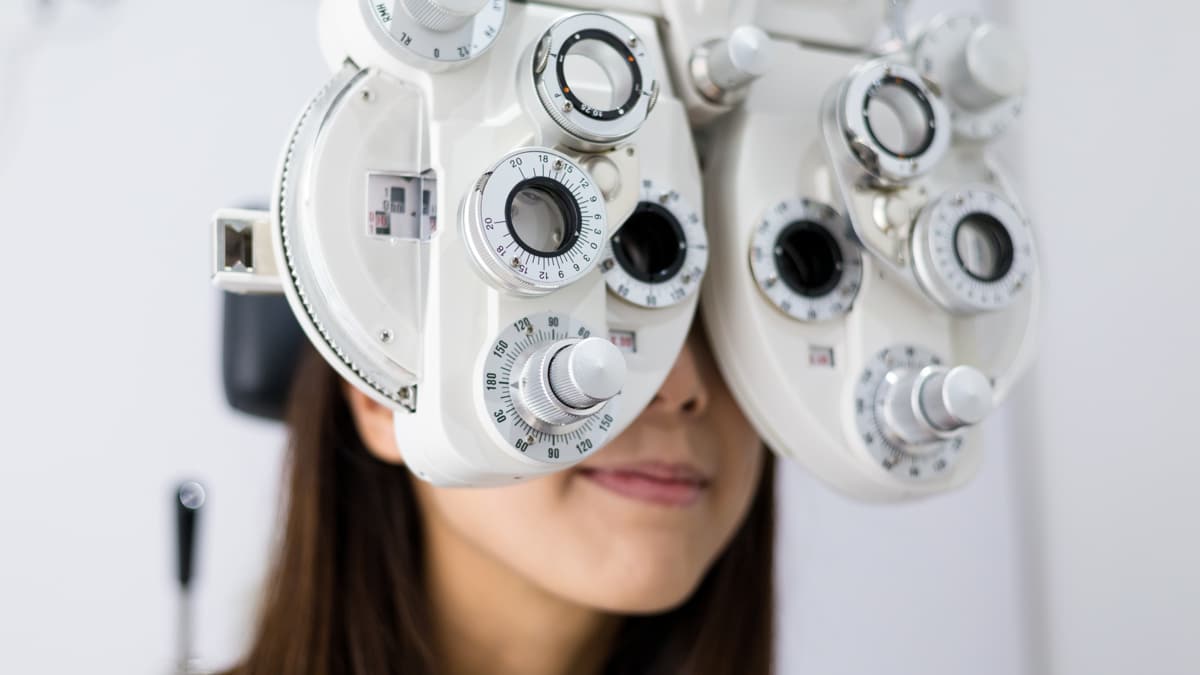
The process often begins with objective measurements using automated equipment. This provides a starting estimate of prescription needs without patient feedback. It establishes a baseline for refinement.
Subjective testing follows, where patients compare lens options to determine clarity and comfort. This step ensures the prescription aligns with real-world visual demands.
How the Prescription Is Finalized
Final adjustments are based on clarity, eye coordination, and comfort at typical working distances. Small refinements can significantly affect daily performance. The goal is a stable, comfortable vision rather than maximum sharpness alone.
A refraction reflects both measurable data and patient response. It blends technology with clinical judgment to produce reliable results.
When a Refraction Is Performed
Refraction is commonly included in routine eye care but may also be necessary during specific situations. The timing often depends on symptoms or risk factors.
During Comprehensive Eye Exams
Most comprehensive eye exams include refraction to update prescriptions and compare changes from prior visits. Even small adjustments can improve reading comfort and reduce eye strain. Monitoring these shifts helps maintain long-term eye health.
After Sudden Vision Changes
Blurred or fluctuating vision may prompt focused testing. A refraction helps determine whether symptoms stem from refractive error or another eye condition. This distinction guides appropriate next steps.
For Children and Myopia Monitoring
In younger patients, regular refractions help track nearsighted progression. Monitoring patterns allows early intervention strategies when appropriate. Managing progression supports visual stability over time.
Refraction frequency depends on age, health status, and visual demands. Regular testing helps detect changes before they interfere with daily activities.
Medical Conditions That Affect Your Prescription
Prescription changes are not always random. Certain medical conditions can alter how the eye focuses, sometimes temporarily and sometimes permanently.
- Diabetes and Blood Sugar Fluctuation: Shifts in blood glucose levels can cause temporary changes in vision clarity. Patients may notice fluctuating prescriptions during unstable periods. Stabilizing blood sugar often restores consistency.
- Cataracts and Age-Related Changes: Cataracts gradually affect the internal lens, altering focusing power. Patients may experience increasing blur or frequent prescription changes. Refraction helps identify patterns that suggest further evaluation.
- Myopic Progression in Younger Patients: Nearsightedness can progress during childhood and adolescence. Tracking changes allows clinicians to discuss management tools that may slow progression. Early monitoring supports long-term visual outcomes.
Prescription changes often signal broader trends in eye health. Recognizing these patterns ensures that refraction serves both corrective and diagnostic purposes.
How We Ensure Accurate Results
Precision requires attention to both technology and environment. Accurate refraction depends on stable conditions and careful verification. At Art of Optiks, we focus on:
- Stable lighting and controlled testing conditions
- Proper lens positioning and alignment
- Verification of automated readings
- Adjustment based on lifestyle needs
- Rechecking results for consistency
Extrinsic factors such as fatigue, dryness, or lighting can influence responses. Controlling these variables improves reliability. Accuracy builds confidence in both prescription and diagnosis. Small refinements can prevent long-term discomfort.
Why Refraction Is More Than “1 or 2”
Refraction measures how your eyes focus today and how that focus may be evolving. It provides clarity not only for lenses but for monitoring changes that affect eye health.
When performed as part of comprehensive care, refraction supports better comfort, accurate prescriptions, and early detection of visual shifts. That combination makes it more than a quick comparison test.
Understanding Refraction Charges and Insurance
Patients often ask why refraction may be billed separately. The answer lies in how insurance distinguishes between vision correction and medical evaluation.
Vision insurance typically covers prescription testing and eyewear benefits. Medical insurance may apply when eye disease or systemic conditions are involved. Combining services during one visit can improve convenience and reduce repeat appointments. Our team reviews coverage details before your visit whenever possible. Clear guidance helps patients understand what to expect financially.
Schedule a Comprehensive Eye Exam With Confidence
Clear vision depends on accurate measurement and ongoing monitoring. A refraction helps ensure your prescription reflects both clarity and comfort while supporting long-term eye health.
If you are experiencing vision changes or are due for an exam, contact Art of Optiks today to schedule a comprehensive evaluation. Our team will guide you through testing, insurance questions, and next steps with clarity and professionalism.