Vision changes with age are natural, but they shouldn’t be ignored. Many adults notice subtle differences in clarity, light sensitivity, or eye comfort as they age, signs that their eyes are adapting to decades of use. At Art of Optiks, we focus on proactive care through ocular disease management, helping patients prevent, detect, and control conditions that threaten long-term vision.
By understanding how eye health evolves at different stages of life, you can take steps to preserve clear, comfortable vision. Here’s what to know about age-related eye changes and how consistent eye care helps safeguard your sight after 40, 60, and 80.
Frequently Occurring Eye Diseases as People Age
As we age, the structures within our eyes gradually change, increasing the risk of several conditions that can affect vision quality and comfort.
After Age 40: The Beginning of Vision Changes
Many patients begin experiencing presbyopia (difficulty focusing on near objects) in their early 40s. Early warning signs of glaucoma and dry eye syndrome may also appear. Regular checkups help detect these subtle changes before they interfere with daily life.
After Age 60: Increased Risk of Disease Progression
By your 60s, the risk of cataracts, diabetic retinopathy, and macular degeneration becomes more common. Preventive care and timely treatment are key to slowing progression and maintaining independence.
After Age 80: Prioritizing Stability and Comfort
At this stage, ongoing management focuses on maximizing remaining vision and comfort. Frequent monitoring helps manage advanced eye diseases and adjust prescriptions for optimal clarity.
Each decade brings new priorities in eye health. This is why consistent ocular disease management keeps you one step ahead of potential vision loss.
How Early Detection Protects Vision
Eye diseases often develop quietly before symptoms appear. Comprehensive eye exams allow us to identify and treat problems early, preventing long-term damage.
How We Detect Eye Diseases Early
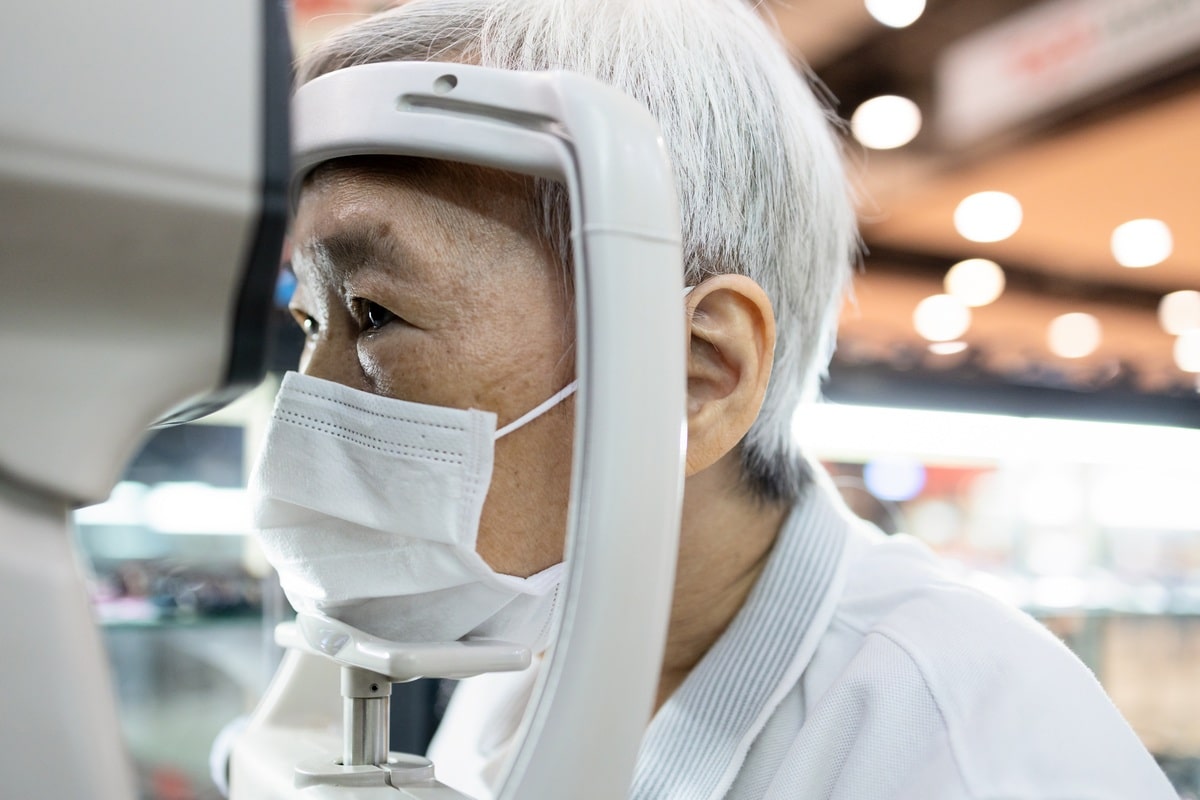
During every exam, we check intraocular pressure, examine the retina, and assess overall ocular health. Using advanced diagnostic imaging, we can detect the earliest signs of glaucoma, macular degeneration, and cataracts even before vision changes occur.
Early detection means early protection. Regular screenings help us preserve your vision and prevent irreversible loss.
How Often to Schedule Eye Exams
Comprehensive eye exams become more important as we age. For optimal health monitoring, we suggest the following exam frequency:
- Ages 40–59: Every 2 years, unless you have risk factors like diabetes or a family history of glaucoma.
- Ages 60+: Every 12 months to closely monitor for early changes.
- Ages 80+: Every 6-12 months, depending on vision stability and medical history.
Regular eye exams are the foundation of effective ocular disease management. They allow us to track changes and adapt your care plan proactively.
Recognize the Early Symptoms of Eye Disease
Many eye diseases progress without pain or obvious warning signs. Knowing what to look for can help you act quickly. Here are some common early warning symptoms:
- Blurry or distorted central vision
- Trouble seeing at night or adjusting to light
- Gradual loss of peripheral vision
- Frequent prescription changes
- Eye pain or pressure
If you experience any of these symptoms, schedule a professional evaluation immediately. Quick action often determines how well vision can be preserved.
The Role of Modern Diagnostic Technology
Advanced imaging allows us to detect and monitor conditions long before they cause noticeable vision loss.
How Technology Improves Ocular Disease Management
At Art of Optiks, we utilize state-of-the-art tools, including optical coherence tomography (OCT) and digital retinal imaging, to capture precise images of your eyes. These technologies enable us to track changes in eye tissue, measure eye pressure, and tailor care plans to your unique needs.
Technology boosts precision, but it’s consistency that delivers dependable results. Plus, with continuous monitoring, you can safeguard your vision for the long haul.
Living Well After an Eye Disease Diagnosis
A diagnosis doesn’t mean losing your independence. With ongoing management, most patients maintain strong, functional vision for years to come.
How We Support You After Diagnosis
Our team develops personalized treatment plans that include regular monitoring, lifestyle guidance, and custom eyewear to optimize daily comfort and visual acuity. We help you adapt with confidence while managing your condition safely. Eye disease management is about living fully with clear, stable vision; not just controlling symptoms
Why Continuous Monitoring Is So Important
Vision can change subtly even when you feel fine. Consistent monitoring enables us to adjust your prescription, track disease progression, and intervene early if any new changes occur. Many eye conditions can be effectively managed with early and consistent care. Skipping visits may allow minor problems to worsen unnoticed, reducing long-term vision quality.
What Lifestyle Habits Support Eye Health
Healthy habits play an essential role in slowing age-related vision decline. Here are simple ways to protect your eyes every day:
- Eat foods rich in antioxidants (e.g., greens and fish high in omega-3).
- Wear UV-protective sunglasses when outdoors.
- Stay active to improve circulation and eye health.
- Avoid smoking, which increases the risk of cataracts and macular degeneration.
- Maintain healthy blood pressure and blood sugar levels.
Your lifestyle choices today can help protect your eyesight for decades to come. Most importantly, the best way to preserve your sight is through proactive, ongoing care and a trusted team guiding you every step of the way.
Protect Your Vision with Expert Ocular Disease Management at Art of Optiks
Your eyesight deserves personalized care at every stage of life. At Art of Optiks, we provide comprehensive ocular disease management in Edina and Wayzata, offering advanced technology and decades of clinical expertise.
Whether you’re monitoring early changes or managing a long-term condition, we’re here to help you maintain sharp, comfortable vision for years to come. Contact Art of Optiks today to schedule your comprehensive eye exam and take the first step toward lasting eye health.