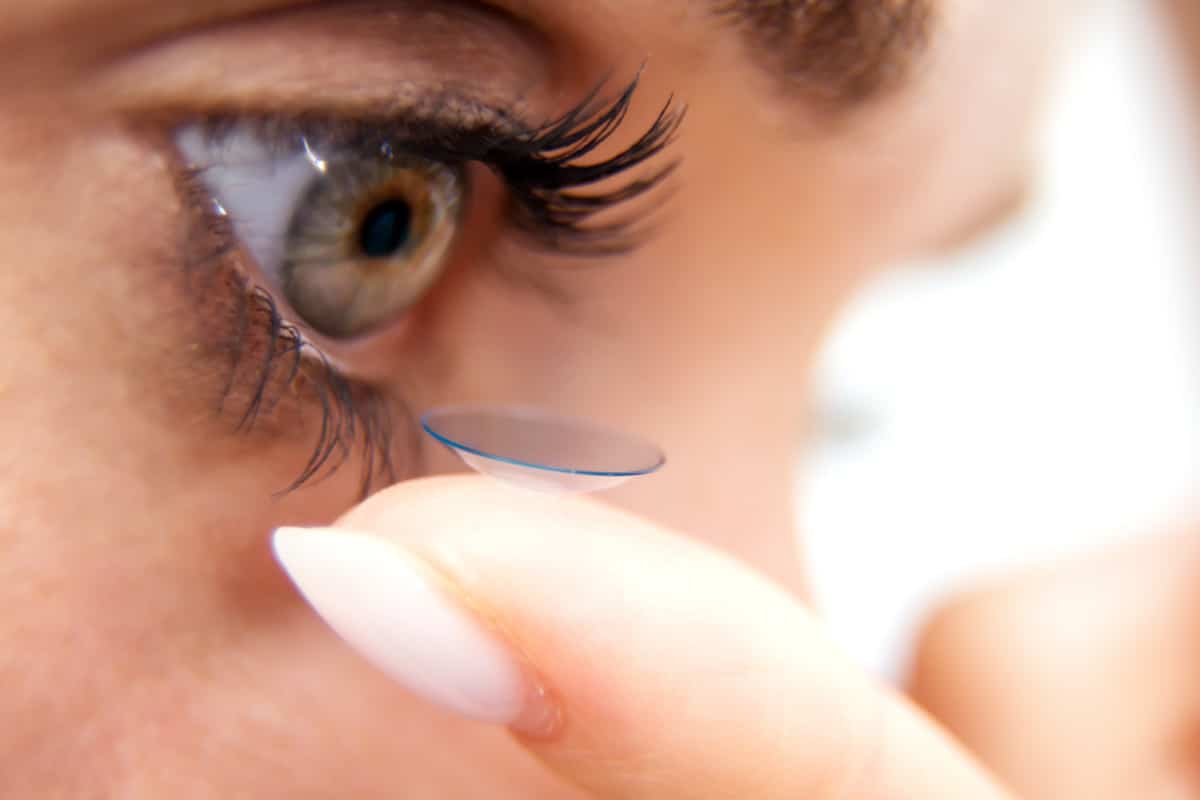

Wearing contact lenses should feel natural and effortless. When they don’t, it’s often a sign that something isn’t right. Some people notice discomfort immediately, while others push through symptoms without realizing what’s causing them. Poor-fitting contact lenses could be the reason you’ve been dealing with irritation, vision changes, or general eye fatigue.
These issues often start small but can become more serious over time if not addressed properly. Knowing what to watch for can help you decide when to speak with your eye doctor.
Key Symptoms of Improperly Fitted Contact Lenses
Contact lenses can genuinely enhance your vision experience! However, it’s important to be aware of possible challenges, especially if they don’t fit well. Let’s explore the common issues that arise from an improper fit, helping you weigh the pros and cons of contact lenses more effectively.
Eye Discomfort or Pain
If your contact lenses cause ongoing irritation or sharp pain, that’s a red flag. Lenses that are too tight may press against the cornea, while loose lenses may shift excessively, causing friction. Either can result in discomfort that persists despite proper cleaning and handling.
Blurred or Fluctuating Vision
Clear and stable vision is a sign that your lenses are aligned correctly. If your sight blurs or shifts when blinking or moving your eyes, it could mean your lenses aren’t fitting well. Poor-fitting contact lenses often fail to stay centered, affecting how you see throughout the day.
What to Watch for in the Mirror
1. Redness or Irritation
A red eye is often the result of irritation, which can stem from improper lens fit. If your eyes frequently appear bloodshot or become more irritated the longer you wear your lenses, that’s not normal. A poor fit can restrict oxygen flow or increase friction, leading to redness. Understanding these signs is crucial to managing contact lens discomfort effectively and preventing more serious issues.
2. Excessive Movement or Slippage
Soft lenses should move slightly with each blink but not shift noticeably. If you’re constantly adjusting your lenses or they slide out of place, they’re likely too loose. On the flip side, they might be too tight if they seem stuck. Either issue is a hallmark of poorly fitting contact lenses.
Functional Issues That Signal a Problem
Light Sensitivity
Increased sensitivity to light can be a subtle but important symptom. It might indicate a misaligned lens causing corneal irritation or swelling. If you find yourself squinting more than usual or avoiding bright environments, your lens fit may be contributing to the problem.
Dryness or Watery Eyes
Both dryness and excessive tearing can be signs of dry eyes and frequently signal an ill-fitting contact lens. A tight lens may block tear flow, making your eyes feel dry and irritated. Alternatively, your eyes may produce more tears to compensate. Poor-fitting contact lenses interfere with the tear film, essential for eye comfort.
Why Proper Fit Matters: What You Can Do
The shape of your eye, lens material type, and daily activities affect how well your contact lenses fit. That’s why a thorough contact lens fitting from a qualified optometrist is critical—not just when you first get lenses but over time as your eyes change.
- Don’t ignore symptoms: Discomfort and vision changes are not normal.
- See your optometrist regularly: Annual exams help ensure your lenses still fit correctly.
- Use only prescribed lenses: Even similar brands can fit differently.
- Replace lenses on time: Old lenses can warp and fit poorly.
By prioritizing a proper fit and consistent professional guidance, you can ensure your contact lenses remain comfortable, effective, and safe for your eyes.
Don’t Settle for Discomfort: Get a Professional Lens Adjustment

Contact lenses should enhance your vision, not create problems. If you’re noticing any of the symptoms discussed, your lens fit might be the issue. Addressing it early can prevent long-term damage and restore comfort. If you’re concerned about poorly fitting contact lenses, contact Art of Optiks today for a professional fitting and evaluation.