
Some patients notice brightness discomfort or glare shortly after getting new glasses. Lights may appear harsher than usual, and everyday environments such as offices or outdoor settings can feel overly bright.
Experiencing light sensitivity after glasses is often part of the adjustment period when the eyes and brain adapt to a new prescription. In some cases, however, persistent sensitivity may point to glare issues, dry eye, or other conditions that benefit from evaluation. At Art of Optiks, patients receive individualized assessments to determine whether the symptom reflects normal adaptation or something requiring further care.
Why Light Sensitivity Sometimes Happens With New Glasses
Updating a glasses prescription changes the way light enters the eyes and how the brain processes visual information. This adjustment can temporarily increase awareness of brightness and glare as the visual system adapts.
According to the American Academy of Ophthalmology’s EyeSmart guidance, light sensitivity, or photophobia, can occur for many reasons, including dry eye, migraines, and eye irritation. Understanding how prescription changes influence visual processing helps explain why this sensation sometimes occurs after receiving new lenses.
Brain Adaptation to a Clearer Image
When a prescription improves visual clarity, the brain receives sharper images than it was previously accustomed to processing. This increased clarity can briefly feel overwhelming while the visual system adjusts. During this period, some patients notice temporary glare or brightness discomfort. The eyes may also feel slightly fatigued as the brain recalibrates its interpretation of visual signals. If these symptoms become severe, consult an emergency eye care professional for immediate assistance.
Common symptoms during this adjustment period may include:
- Sensitivity to bright lights
- Increased glare during nighttime driving
- Eye fatigue in brightly lit environments
- Temporary visual discomfort in outdoor sunlight
These sensations typically diminish as the brain becomes accustomed to the new prescription.
Changes in Lens Power and Visual Processing
Even small changes in prescription strength can alter how the eyes focus light. The brain must adjust to this new optical correction and re-learn how to process visual details efficiently. As the visual system adapts to the new lenses, the eyes gradually become more comfortable in bright environments. Most patients find that these symptoms resolve within several days to a couple of weeks.
Environmental Factors That Can Worsen Light Sensitivity
Lighting conditions and environmental factors can make brightness discomfort more noticeable. Even when new glasses are functioning correctly, certain environments can amplify glare. Recognizing these triggers helps patients manage symptoms during the adjustment period.
Dry Eye and Tear Film Instability
Dry eye can increase light sensitivity because the tear film plays an important role in smoothing the eye’s surface. When tears evaporate too quickly, the eye becomes more vulnerable to irritation from light. This instability can cause light to scatter unevenly across the cornea. As a result, bright environments may feel uncomfortable or overwhelming.
Dry environments, air conditioning, and prolonged screen use can all contribute to tear film instability. Managing dry eye symptoms can significantly improve comfort when adjusting to new glasses.
Lighting Conditions and Digital Screens
Certain types of lighting are more likely to intensify glare. Artificial lighting commonly used in offices and commercial buildings may increase visual strain. Common environmental triggers include:
- Fluorescent lighting in office environments
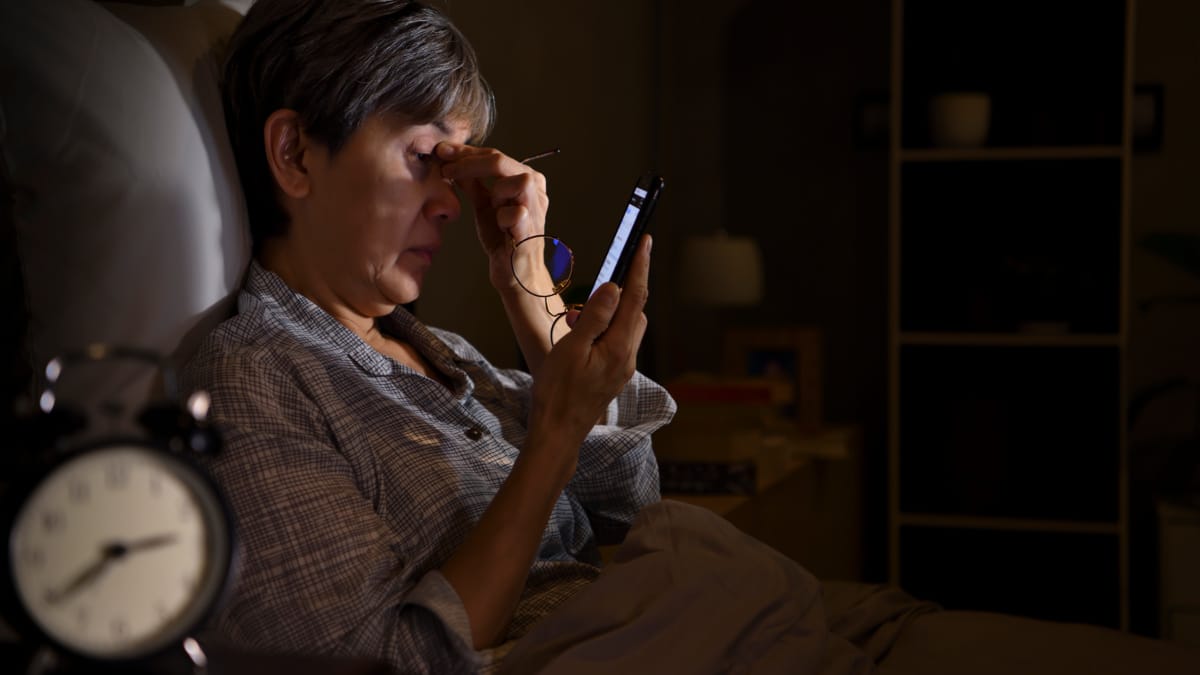
- Bright LED screens on computers and smartphones
- Reflective indoor surfaces
- Prolonged exposure to bright outdoor sunlight
These lighting conditions can make new lenses feel more intense until the eyes adjust. Reducing glare sources often improves visual comfort during the adaptation period.
When Light Sensitivity May Signal a Medical Concern
Although mild light sensitivity is common during adjustment to new glasses, persistent symptoms may indicate an underlying condition. If sensitivity does not improve after the adaptation period, further evaluation may be recommended. Eye doctors assess several potential causes to determine the appropriate course of action.
Eye Conditions That May Cause Light Sensitivity
Several ocular conditions can contribute to photophobia or brightness discomfort. These conditions may affect the eye’s ability to tolerate light normally.
- Dry eye disease
- Corneal irritation
- Eye inflammation
- Ocular surface damage
When these issues are present, patients may notice redness, irritation, or fluctuating vision along with light sensitivity. Identifying and treating these conditions can help restore visual comfort.
Neurological or Systemic Causes
In some cases, light sensitivity may be associated with neurological or systemic conditions. Migraines, for example, often involve heightened sensitivity to light during or between headache episodes. Certain neurological or autoimmune conditions may also influence how the brain processes light signals. Because of these possibilities, persistent photophobia should be evaluated during a comprehensive eye exam. Early assessment helps determine whether symptoms are related to vision changes or broader health factors.
How Eye Doctors Evaluate Light Sensitivity
When patients report ongoing light sensitivity, eye doctors perform a detailed evaluation to identify the cause. This process involves reviewing both visual function and overall eye health.
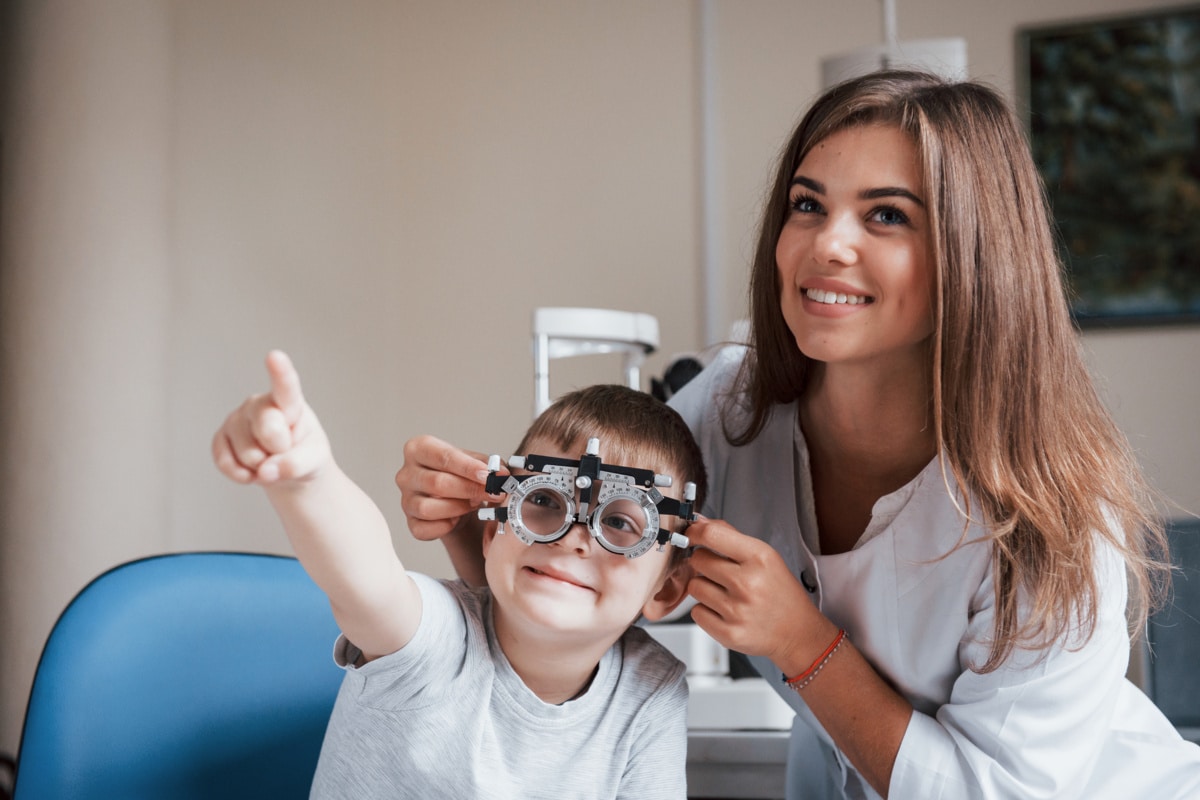
Vision and Prescription Assessment: Doctors verify the accuracy of new prescriptions since even minor discrepancies can affect visual comfort and glare perception, particularly important for patients with stronger prescriptions, where small measurement inaccuracies can create disproportionate visual strain. They may conduct tests for focusing ability, visual alignment, and clarity at various distances. Accurate prescriptions minimize visual strain and help the eyes adapt more smoothly
Ocular Surface and Eye Health Testing: Eye doctors use advanced instruments to examine the eye’s surface, evaluating tear quality, corneal health, and eyelid function for signs of dryness or irritation. These assessments are crucial for determining if ocular surface issues are causing light sensitivity and ensuring proper eye care.
Why Lens Technology Matters for Light Comfort
Modern lens technology helps reduce glare and enhance visual comfort. Specialized coatings and designs can positively affect light interaction with the eyes, benefiting patients with brightness sensitivity by managing reflections and contrast.
Anti-Reflective Coatings: Anti-reflective (AR) coatings minimize reflections on lenses, enhancing clarity and reducing glare by allowing more light to pass through. They are particularly recommended for those who spend a lot of time on digital screens.
Tints and Specialty Lenses: Some patients benefit from lightly tinted lenses designed to reduce brightness sensitivity and may assist those with migraine-related photophobia. Specialty lenses can filter specific wavelengths, benefiting individuals in bright or high-contrast settings
Why Choose Art of Optiks for Light Sensitivity Concerns
At Art of Optiks, vision care focuses on both visual clarity and long-term comfort. Eye doctors evaluate the full range of factors that may contribute to light sensitivity. Care at Art of Optiks may include:
- Comprehensive eye exams
- Updated prescriptions for optimal clarity
- Dry eye evaluations
- Advanced anti-reflective coatings
- Customized lens tint solutions
Patients receive personalized recommendations based on their vision needs, daily habits, and environmental exposures. This individualized approach helps patients achieve comfortable vision in a variety of lighting conditions.
Improve Visual Comfort With Expert Care at Art of Optiks
Light sensitivity after receiving new glasses is often a temporary adjustment as the eyes and brain adapt to improved vision. However, persistent discomfort may signal glare issues, dry eye, or other conditions that benefit from professional evaluation.
At Art of Optiks, with locations in Wayzata and Edina, we provide personalized assessments, advanced lens solutions, and specialty fittings designed to reduce glare and improve comfort, including expertise with stronger prescriptions where small optical inaccuracies can create disproportionate visual strain. Contact Art of Optiks to schedule a consultation and address what may actually be behind your sensitivity symptom.