

From smartphones to laptops, our eyes are exposed to screens for hours every day. This means increased exposure to blue light, a type of high-energy visible light that can lead to digital eye strain and fatigue over time. As screen use increases, blue light glasses have become one of the most widely discussed ways to protect vision in today’s digital world.
We see more patients in Edina and Wayzata struggling with tired eyes, headaches, or disrupted sleep. At Art of Optiks, our doctors take a whole-eye approach, evaluating not only your lenses but also your habits, workspace, and long-term comfort. We help patients understand whether blue light lenses are right for them and how to combine proper eyewear with healthy screen habits for long-term comfort.
What Is Blue Light and Why Does It Matter
Before deciding whether blue light glasses are worth it, it is helpful to understand what blue light is, how it affects your comfort, and other external factors that impact eyesight.
What Is Blue Light?
Blue light is part of the visible light spectrum emitted by natural sunlight, LED bulbs, and digital screens. It has a shorter wavelength and higher energy than other types of light, which means it scatters more easily. As a result, your eyes must work harder to focus when exposed to it for extended periods of time.
What Does Blue Light Do to Your Eyes?
While blue light itself doesn’t damage the eye like ultraviolet (UV) light, overexposure from screens can lead to symptoms of digital eye strain. These may include tired eyes, blurred vision, dryness, or difficulty concentrating after long periods of close-up focus. Some studies suggest that nighttime exposure to blue light may interfere with melatonin production, making it more difficult to fall asleep.
The Bigger Issue: Eye Strain
According to the American Optometric Association (AOO), more than 60% of adults report symptoms of digital eye strain, also known as computer vision syndrome. The main culprits are not just blue light but reduced blinking and prolonged near-focus tasks. That’s why a comprehensive approach, such as combining blue light glasses with proper screen ergonomics and regular eye exams, provides the best results.
What Are Blue Light Glasses and How Do They Work?
Blue light glasses are designed to filter out portions of the blue-violet light emitted by digital devices. By reducing the intensity of this light, they can help relieve strain during extended screen use.
Understanding the Science Behind Blue Light Glasses
These lenses use special coatings or materials that selectively block high-energy wavelengths. Premium optical labs can tailor the filters for daytime use, nighttime protection, or specific needs such as sensitivity and migraines.
Key takeaway: Blue light glasses don’t block all blue light, only the most intense wavelengths that may contribute to visual fatigue and disrupted sleep cycles.
The Benefits of Blue Light Glasses
While every patient’s experience is unique, many report consistent improvements among those who use blue light protection correctly and pair it with good visual habits.
– Reduced digital eye strain from extended device use
– Fewer headaches or blurred vision after long workdays
– Improved comfort under LED lighting
– Better sleep quality for those using screens in the evening
AAO notes that there’s currently no strong scientific evidence that blue light from digital devices damages the eyes. What most patients experience is not blue light damage, but digital eye strain, a condition best addressed through comprehensive eye care.
Common Myths About Blue Light Glasses
Despite the popularity of blue light glasses, research leaves several key questions unanswered, making them one of today’s most common eye care misconceptions. At Art of Optiks, we rely on clinical data and patient experience rather than marketing trends or product hype.
Myth 1: “Blue light from screens is harming your eyes.”
Fact: The amount of blue light emitted by screens is far less intense than natural sunlight and has not been shown to cause permanent eye damage. According to the AAO, there is no conclusive evidence linking blue light from digital devices to retinal harm or vision loss. Additionally, the Mayo Clinic Health System says discomfort often comes from eye strain due to long focus, glare, and less blinking, not from blue light itself.
Sources: American Academy of Ophthalmology – Should You Be Worried About Blue Light?; Mayo Clinic Health System – Are Blue Light Blocking Glasses a Must-Have?
Myth 2: “Blue light glasses prevent digital eye strain.”
Fact: A 2023 Cochrane Review found that blue-light filtering lenses made little or no difference in eye strain compared to standard lenses. Other studies suggest that comfort improves primarily due to reduced glare, rather than the lenses blocking all harmful light. Patients often find relief from glare, which our optometrists see in the clinic. However, the best way to deal with this issue is to improve focusing habits to prevent problems: take breaks, blink frequently, and position screens correctly.
Source: Cochrane Library – Blue-Light Filtering Lenses Review
Myth 3: “They can fix sleep problems.”
Fact: A Mayo Clinic study found that bright LED screens held close to the face can suppress melatonin, the hormone that regulates your sleep-wake cycle. Lowering screen brightness and keeping devices at least 14 inches away reduced that effect significantly. In most cases, managing screen habits and reducing nighttime light exposure are more effective than relying on lenses alone.
Source: Mayo Clinic News Network – “Are Smartphones Disrupting Your Sleep?”
Myth 4: “All blue light lenses are the same.”
Fact: Lens quality and function vary significantly. Some blue light glasses only filter a small amount of blue light. In contrast, specialty lenses, such as those designed for migraine relief, focus on specific wavelengths, specifically 480-500nm. These lenses effectively manage light sensitivity. According to a Healthline article, migraine glasses filter specific light wavelengths to reduce the frequency and intensity of migraine episodes triggered by light.
Source: Healthline – “What Are Migraine Glasses?”
At Art of Optiks, we assess your visual needs, including light sensitivity or headache triggers, and select lens technology that is customized for your prescription, screen habits, and comfort.
Are Blue Light Glasses Right for You?
Not everyone needs blue light protection, so who might benefit most from high-performance lenses? These professions demand high visual precision under artificial lighting, where blue light filtering can provide noticeable comfort.
– Professionals who work long hours at computers (software developers, financial analysts, graphic designers).
– Medical staff (radiologists, surgeons, technicians) repeatedly exposed to high-brightness screens or specialized displays.
– Gamers or streamers who spend extensive time in front of monitors under artificial lighting.
– Evening-shift workers or anyone using screens late into the night when melatonin suppression is more relevant.
– Individuals with chronic glare sensitivity or migraines triggered or worsened by screen-related light exposure.
For example, a pilot study of radiologists showed that the use of blue-light filtering lenses in high-screen-use settings may reduce fatigue symptoms. If you fall into one of the high-risk groups above, medical-grade blue light protection may be worth it. Otherwise, standard lenses + smart habits might suffice.
Your Next Steps: How We Help at Art of Optiks
Eye comfort is about the balance between technology, lifestyle, and proper eyewear. Simple adjustments like following the 20-20-20 rule can complement the benefits of blue light lenses.
1. Keep screens at least an arm’s length away.
2. Match device brightness with your environment.
3. Use lubricating eye drops for dryness.
4. Schedule annual eye exams to monitor changes.
We assess not just your prescription but your work and lifestyle habits. Remember, eye comfort depends on more than lenses alone; posture, lighting, and prescription accuracy all play a role.
See the Difference with Art of Optiks
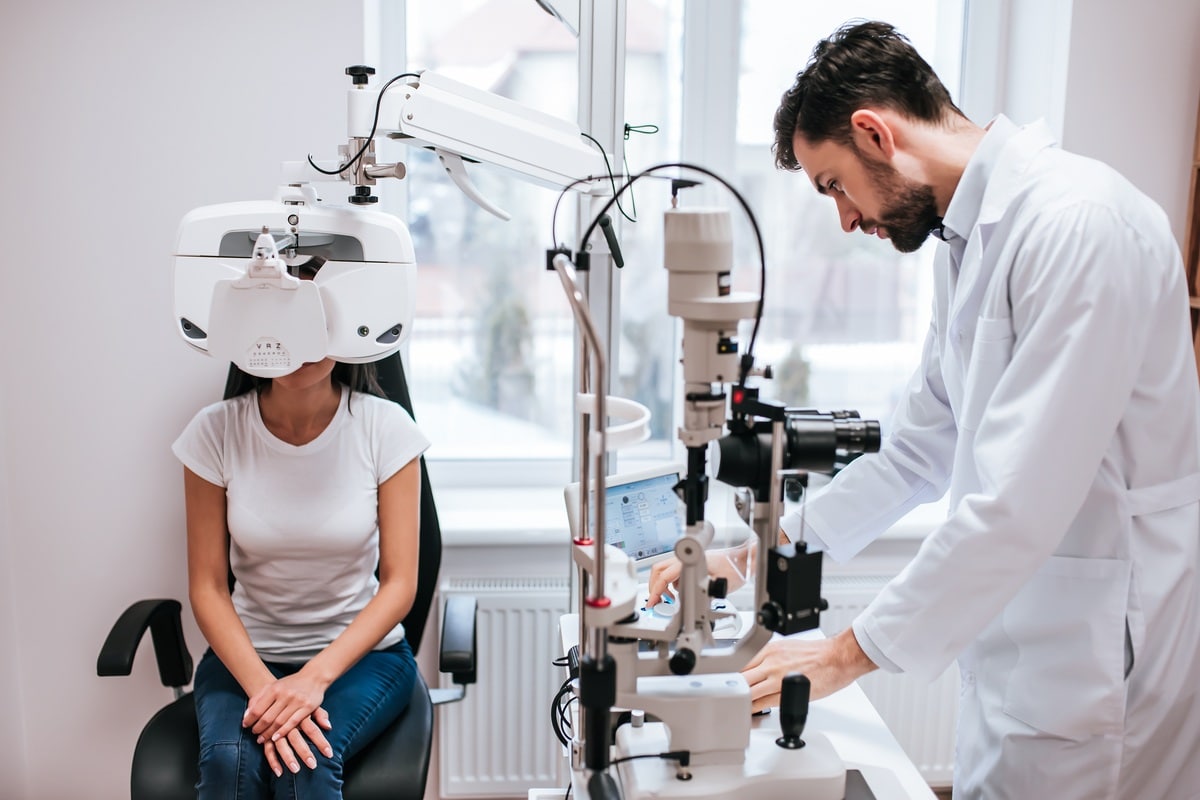
Your vision deserves expert care and precision optics, not one-size-fits-all solutions. At Art of Optiks, we focus on understanding your vision habits first. During a comprehensive eye exam, our doctors identify the real source of your discomfort, whether that’s dry eyes, prescription changes, or muscle fatigue, and recommend solutions tailored to you. Blue light glasses can be one part of that strategy, but professional evaluation remains the key to lasting comfort and protection.
Contact Art of Optiks today to schedule your comprehensive eye evaluation or explore our curated eyewear collections in Wayzata and Edina. Together, we’ll protect your eyes, improve comfort, and elevate your everyday vision.