
Some people notice irritation, tired eyes, or dryness after long hours of wearing glasses. These symptoms often become more noticeable during screen-heavy workdays or extended reading sessions.
Experiencing dry eyes after wearing glasses can feel confusing because glasses themselves rarely cause dryness. In many cases, the issue is related to eye strain, outdated prescriptions, or reduced blinking during digital work. At Art of Optiks, lenses and prescriptions are carefully designed to support visual comfort and protect long-term eye health.
What Actually Causes Dry Eye Symptoms
Dry eye occurs when the tear film that protects the surface of the eye becomes unstable or evaporates too quickly. This protective layer is essential for keeping the eye comfortable, clear, and properly lubricated.
According to the American Academy of Ophthalmology, an estimated 16 million Americans have been diagnosed with dry eye disease, with risk factors including extensive screen use, aging, and contact lens wear.
Reduced Blinking During Screen Use
One of the most common contributors to dry eye symptoms is reduced blinking. When people focus on screens or detailed tasks, their blink rate naturally decreases. Blinking helps spread tears evenly across the eye surface. When blinking slows, the tear film evaporates faster, and the eyes become irritated. Common symptoms associated with reduced blinking include:
- Burning or irritation
- Gritty or sandy sensation
- Fluctuating vision clarity
- Tired or heavy eyes
Frequent digital device use makes this issue increasingly common in modern workplaces.
Tear Film Imbalance
The tear film is made up of multiple layers that work together to protect the eye. These layers include oil, water, and mucus components that help keep the eye lubricated. When any part of this system becomes unstable, dryness may occur. Environmental factors such as air conditioning, heating systems, and screen use can accelerate tear evaporation.
Over time, this imbalance can lead to persistent dryness and irritation. Recognizing these triggers helps patients understand how daily habits influence eye comfort. Dry eye often develops gradually, especially in environments that place continuous strain on the eyes.
Why Vision Strain Can Make Dry Eye Worse
Visual strain can intensify dryness symptoms by forcing the eyes to work harder to maintain focus. When the visual system becomes fatigued, blinking patterns and tear stability may be affected. This connection explains why dry eye symptoms often appear during visually demanding tasks, making it essential to understand dry-eye treatment strategies to manage discomfort effectively.
Outdated Prescriptions
An outdated glasses prescription can increase the effort required to maintain clear focus. When the eyes must constantly compensate for incorrect lens power, visual fatigue can occur more quickly. This strain may lead to headaches, tired eyes, and reduced blinking frequency. Over time, these factors can worsen dry eye symptoms. Updating prescriptions helps reduce unnecessary visual effort. Clearer vision allows the eyes to function more naturally during everyday tasks.
Extended Near Work
Activities that require prolonged near focus can also contribute to dryness. Reading, computer work, and smartphone use require the eyes to maintain continuous accommodation. This sustained focusing effort can fatigue the eye muscles and reduce blinking patterns. As a result, the tear film may evaporate more rapidly.
Regular breaks and good visual ergonomics can reduce eye strain. Recognizing its symptoms and managing visual workload are key to maintaining comfort and tear stability during long tasks.
How Glasses Can Actually Help Reduce Dry Eye
Although some people associate glasses with eye discomfort, properly designed lenses can actually improve visual comfort and reduce symptoms of dryness. Correct prescriptions reduce strain and allow the eyes to focus more efficiently. Well-designed lenses help the visual system operate with less effort, but persistent symptoms should be evaluated thoroughly. You can review our Dry Eye Specialist FAQs to learn more about clinical treatments.
Relaxed Vision Lenses and Added Plus Power
Certain lens designs include added plus power for near work. These lenses reduce the amount of focusing effort required when reading or using digital devices. By lowering accommodative demand, the eyes remain more relaxed during prolonged tasks. This relaxation can help reduce fatigue that contributes to dryness symptoms. Reducing visual stress allows the eyes to maintain healthier blinking patterns.
Updated Prescriptions Improve Visual Efficiency
Accurate prescriptions help the eyes maintain clear focus without constant compensation. When lenses are properly matched to the patient’s vision needs, the visual system functions more efficiently, particularly important for patients with stronger prescriptions, where small inaccuracies can create disproportionate visual strain.
Clear vision reduces the tendency to squint or strain during detailed tasks. Over time, this improved efficiency can contribute to greater comfort. Regular eye exams ensure that prescriptions remain accurate and appropriate as visual demands change.
The Role of Anti-Reflective (AR) Lens Coatings
Lens coatings can significantly affect visual comfort. Anti-reflective coatings are designed to reduce glare and improve how light passes through the lens. These coatings are especially helpful for patients who spend long hours working with digital screens or bright indoor lighting.
How AR Coatings Improve Visual Comfort
Anti-reflective coatings enhance the performance of eyeglass lenses by minimizing reflections that interfere with clear vision. Benefits of AR coatings include:
- Reduced glare from screens and lighting
- Improved clarity through the lens surface
- Enhanced contrast during digital work
- Better night vision while driving
These improvements help the eyes focus more comfortably throughout the day. Reducing glare also lowers the tendency to squint or strain during visual tasks.
Why Better Visual Clarity Improves Blink Patterns
When vision is clearer and more comfortable, the eyes can maintain more natural blinking behavior. Reduced visual stress allows the tear film to remain stable for longer periods. This improved blinking pattern helps keep the eye surface properly lubricated. Over time, better visual ergonomics may reduce dryness symptoms, showing how the long-term benefits of dry eye treatment include sustained comfort and healthier ocular function.
Practical Habits That Help Prevent Dry Eye Symptoms
Lifestyle adjustments can help reduce dryness and improve overall eye comfort. Small changes in daily habits often make a noticeable difference. Patients who spend long hours working on screens may benefit from incorporating simple visual hygiene strategies. Helpful practices include:
- Following the 20-20-20 rule (look 20 feet away every 20 minutes)
- Maintaining proper screen distance and lighting
- Blinking consciously during digital tasks
- Staying hydrated throughout the day
- Scheduling regular eye exams
These habits help protect the tear film and reduce strain on the eyes. Preventive strategies work best when combined with accurate prescriptions and appropriate lenses.
Improve Eye Comfort With Expert Vision Care
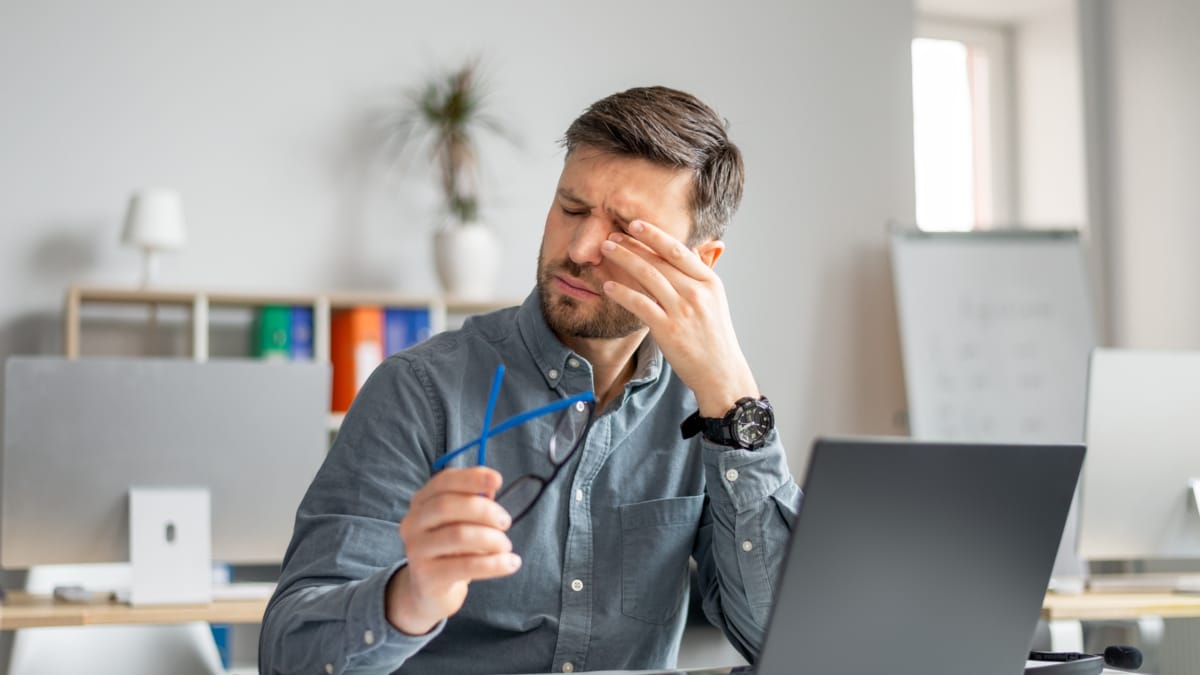
Dry eye symptoms can develop gradually, especially for people who spend long hours focusing on screens or detailed tasks. Identifying the underlying causes helps prevent ongoing irritation and visual fatigue.
Our team at Art of Optiks, with locations in Wayzata and Edina, helps patients optimize prescriptions, lens technology, and visual habits to support long-term eye comfort. From routine eye exams to specialty fittings for stronger prescriptions, our approach is designed around the visual demands of everyday work, screens, and life. Contact Art of Optiks today to schedule a consultation and address what may actually be causing your dryness symptoms.