
Many eye diseases develop gradually and may not cause noticeable symptoms until vision has already been affected. Because of this, eye doctors rely on comprehensive exams and diagnostic technology to identify early warning signs before patients experience vision problems.
At Art of Optiks, eye disease management begins with a full evaluation of the eye from front to back. During a comprehensive eye exam, doctors assess visual function, examine ocular structures, review medical history, and evaluate how systemic health conditions may affect long-term eye health.
Why Eye Disease Screening Matters
Routine eye exams play an important role in discovering conditions before they impact your daily life. Many ocular diseases progress slowly and silently, meaning structural changes can occur long before a patient experiences blurred vision, pain, or discomfort.
According to the Centers for Disease Control and Prevention, about 3.4 million Americans aged 40 and older have uncorrectable vision impairment, highlighting the importance of preventive screening.
Conditions Identified During Early Screenings
Several common eye diseases may progress without obvious warning signs during their initial stages. Early screening allows doctors to identify conditions such as:
- Glaucoma: Damage to the optic nerve, often associated with elevated eye pressure.
- Macular degeneration: The gradual breakdown of central vision.
- Diabetic retinopathy: Microvascular changes caused by elevated blood sugar.
- Retinal vascular disease: Blood flow disruptions affecting the back of the eye.
- Cataracts: The slow clouding of the eye’s natural lens.
Because symptoms may not appear until later stages, early screening is one of the most effective ways to protect long-term vision.
The Role of Long-Term Monitoring
While screening is focused on initial detection, routine monitoring establishes your unique eye health baseline. Eye health changes gradually; a single exam cannot show how your ocular tissues are evolving over time.
By maintaining a consistent schedule of exams, eye doctors can compare detailed retinal scans year-over-year to spot microscopic shifts that indicate the earliest stages of chronic disease.
Recommended Care Cadence
How often your vision should be monitored depends on your age, risk factors, and overall health:
- Asymptomatic Adults Under 40: Routine evaluations every two years help establish a baseline and catch early changes.
- Adults Aged 40 to 64: Routine exams every one to two years, depending on individual risk factors.
- Seniors 65+ and High-Risk Individuals: Annual exams are highly recommended for patients with a family history of eye disease, high blood pressure, or diabetes, ensuring any structural progression is managed immediately.
Ultimately, continuous tracking remains one of the most effective strategies for preventing long-term vision loss.
Evaluating the Front of the Eye
A comprehensive eye exam begins with a detailed assessment of the structures located at the front of the eye. These structures include the eyelids, cornea, tear film, and lens, all of which play important roles in vision and ocular comfort. Doctors use specialized equipment to examine these structures carefully and detect any abnormalities that may indicate infection, inflammation, or early disease.
Slit Lamp Examination
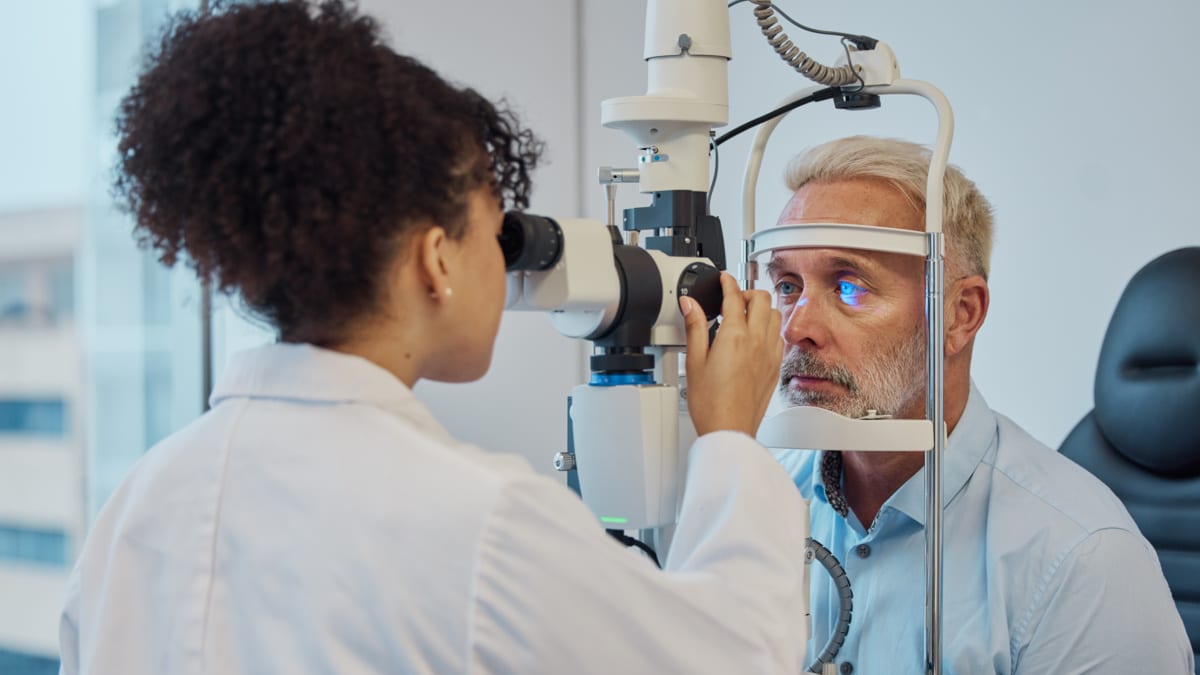
The slit lamp microscope is one of the most important tools used during an eye exam. This instrument allows doctors to examine the front structures of the eye under magnification and bright illumination.
Using the slit lamp, doctors evaluate the cornea, conjunctiva, eyelids, tear film, and lens clarity. Eye doctors also assess signs of common eye conditions, including dry eye disease, corneal irritation, or early cataract development. Detecting these changes early allows doctors to recommend treatments or adjustments that help maintain comfort and visual clarity.
Examining the Retina and Back of the Eye
After evaluating the front structures, eye doctors examine the retina and other structures located in the back of the eye. These structures are responsible for capturing light and transmitting visual information to the brain. Because many serious eye diseases affect the retina, careful evaluation of this area is essential during every comprehensive exam.
Retinal Imaging and Scans
Modern eye exams often include advanced imaging technology that allows doctors to analyze retinal structures in greater detail. Common diagnostic tools include:
- Retinal photography
- Optical coherence tomography (OCT) scans to measure retinal thickness
- Optical Coherence Tomography Angiography (OCT-A)
These technologies help doctors identify early signs of retinal disease that might not be visible during a routine visual test.
Detecting Early Disease Changes
Many retinal diseases begin with small structural changes that are not noticeable to patients. Imaging technology helps doctors identify these subtle changes before they affect vision. Examples include swelling in the retina, early macular degeneration, or vascular changes related to systemic conditions. By identifying these changes early, doctors can monitor disease progression and recommend treatment strategies when necessary.
Understanding How Systemic Health Affects the Eyes
Eye health is closely connected to overall health, and many systemic conditions can influence the structure and function of the eye. During a comprehensive exam, doctors evaluate how medical conditions may affect ocular tissues. Monitoring these connections helps ensure that both eye health and general health are considered together.
Diabetes and Eye Health
Diabetes can affect small blood vessels throughout the body, including those in the retina. Diabetes can damage the small blood vessels in the retina, leading to diabetic retinopathy.
Eye doctors monitor diabetic patients carefully using imaging technology and retinal exams. This is why diabetic eye exams matter—early identification of vascular changes allows doctors to coordinate care with other healthcare providers when necessary.
Blood Pressure and Vascular Changes
High blood pressure and other cardiovascular conditions may also influence eye health. Retinal blood vessels can show early signs of vascular stress, which may indicate broader systemic health concerns.
Eye doctors sometimes identify these changes during retinal examinations before patients experience symptoms. Monitoring these signs can help guide appropriate medical follow-up.
Why Patient History and Medications Matter
Eye disease management depends heavily on understanding a patient’s medical history, medications, and lifestyle factors. This information helps doctors interpret exam findings, monitor how vision changes with age, and identify potential risk factors early.
Reviewing Health History
During an exam, patients answer questions about their health, vision changes, and family history of eye disease. Medical history provides clues to potential eye health risks, as certain medications and conditions can influence vision. Doctors review current medications, chronic conditions, family history, and previous eye issues to interpret exam findings accurately.
Monitoring Prescription Changes
Changes in vision prescriptions may sometimes indicate underlying eye health issues. For example, sudden shifts in vision can occur with diabetes, cataracts, or other conditions. By tracking prescription changes over time, eye doctors can identify patterns that may signal developing problems.
Why Choose Art of Optiks for Eye Disease Management
Managing eye health requires careful monitoring, advanced diagnostic tools, and personalized patient education. At Art of Optiks, comprehensive exams are designed to evaluate the eye from front to back while identifying both visual and medical concerns. Patients rely on our Ocular Disease Management services because of:
1. Comprehensive eye exams that evaluate ocular health thoroughly
2. Advanced diagnostic imaging and retinal scanning
3. Early detection of chronic eye diseases
4. Coordination with ophthalmologists when surgical care is required
5. Patient education on maintaining long-term eye health
Personalized care and early detection are essential for managing chronic eye conditions effectively.
Get Expert Care to Protect Your Eye Health
Investing in your vision means taking proactive control before changes become permanent. By establishing your unique eye health baseline today, you give our team the insights needed to safeguard your sight, minimize long-term risks, and preserve your daily quality of life.
The doctors at Art of Optiks are ready to partner with you through advanced medical evaluations and dedicated, ongoing monitoring. Contact Art of Optiks today to discuss our comprehensive approach to eye disease management and schedule your next eye exam.