
Diabetes affects more than blood sugar levels. It can quietly impact the small blood vessels in the retina long before vision changes are noticeable. Many patients feel their sight is stable, yet subtle damage may already be developing. A diabetic eye exam goes beyond a standard vision check. At Art of Optiks, we use advanced imaging and functional testing to detect early retinal changes and monitor long-term ocular health.
Why Diabetic Eye Exams Matter Even Without Symptoms
Diabetic eye disease often progresses silently. Waiting for blurry vision or distortion can mean missing the earliest stages of change. The Centers for Disease Control and Prevention states that Diabetic retinopathy is the leading cause of vision loss among working-age adults.
Early Retinal Changes Can Be Silent
In the early stages, small blood vessel changes may not affect clarity. Patients often feel normal while microscopic damage progresses. Without imaging, these changes can go undetected. This is why routine screening is essential, even when vision feels unchanged.
How Screening Protects Long-Term Vision
Early detection allows for monitoring conditions before complications worsen, especially in age-related eye diseases. Identifying vascular changes early enables prompt medical intervention, reducing the risk of vision loss. Regular exams also provide a baseline for improved clinical decisions.
What Is Different About a Diabetic Eye Exam?
A diabetic eye exam includes everything in a comprehensive evaluation, plus advanced retinal and functional testing. The goal is to assess both the structure and performance of the retina. Key additions may include:
- Retinal imaging
- OCT and OCT-A scanning
- Functional retinal testing
- Vascular assessment
- Detailed dilation examination
These added components allow us to detect subtle retinal changes before they affect vision. By combining structural imaging with functional analysis, we create a more complete understanding of diabetic eye health.
Retinal Imaging and Fundus Photography
High-resolution imaging documents the retina in detail. Fundus photography captures blood vessels and retinal tissue for comparison over time. These images allow early detection of microvascular changes. Tracking images year after year improves precision.
OCT and OCT-A for Blood Vessel Assessment
Optical coherence tomography (OCT) provides cross-sectional views of retinal layers. OCT-A evaluates blood flow without invasive dye. Together, these tools identify swelling or vascular irregularities. Subclinical changes often appear here first.
Functional Testing (PhNR, Cone Contrast, DRS)
Structural health does not always reflect functional performance. Electrodiagnostic testing, such as PhNR, measures retinal response. Cone contrast testing evaluates color sensitivity, which can shift early in diabetic changes. Functional testing adds another layer of insight.
Angiography When Needed
If abnormalities are detected, angiography may assess blood vessel leakage or blockage. This helps determine severity and the need for referral. Advanced imaging guides next steps responsibly.
Preparing for Your Diabetic Eye Exam
Preparation helps improve both the accuracy and efficiency of your exam. Sharing updated health information enables better clinical interpretation and aligns with Art of Optiks’ support for patients with diabetic eye disease through coordinated, personalized care. Please bring:
- Your primary care physician’s or endocrinologist’s name
- Most recent HbA1c level
- Recent blood sugar readings
- Time-in-range data, if available
- Current medication list
Blood sugar control directly affects retinal stability. Sharing this information improves care coordination. A prepared visit leads to clearer recommendations.
Early Signs We Look For
Subtle indicators often precede visual symptoms. Identifying them early supports preventive intervention. We assess for:
- Microaneurysms
- Retinal swelling
- Early vascular leakage
- Color perception shifts
- Functional retinal response delays
Each finding contributes to a broader risk profile. Monitoring trends matters more than a single data point.
How Often Should You Schedule a Diabetic Eye Exam?
Frequency depends on disease duration and retinal findings. Patients without retinopathy may require annual exams, while those with changes may need closer monitoring.
Skipping exams because vision feels stable increases the risk. Early disease is often symptom-free. Regular screening builds a longitudinal record. That continuity protects long-term eye health.
When Referral to an Ophthalmologist Is Needed
Some findings require specialist intervention. Advanced retinopathy or macular edema may need surgical or injection-based treatment. At Art of Optiks, we coordinate referrals when necessary and continue monitoring after treatment. Collaborative care ensures patients remain supported throughout the process.
Timely referral improves outcomes. Integrated care strengthens continuity. Early identification supports collaboration with your primary care provider. Prevention remains the primary objective.
Why Choose Art of Optiks for Diabetic Eye Care
Managing diabetes-related eye changes requires precision and consistency. Advanced diagnostic technology combined with ocular disease management improves early detection and long-term monitoring. Through our ocular disease diagnosis and treatment services, patients benefit from:
- Daily diagnosis and management of retinal and vascular conditions
- Advanced imaging for subclinical and clinical detection
- Functional retinal testing beyond standard exams
- Coordinated care with primary physicians and specialists
- Clear follow-up scheduling based on retinopathy severity
Diabetic eye care is ongoing, not episodic. A structured monitoring plan protects both vision and systemic health over time.
Schedule Your Diabetic Eye Exam Today at Art of Optiks
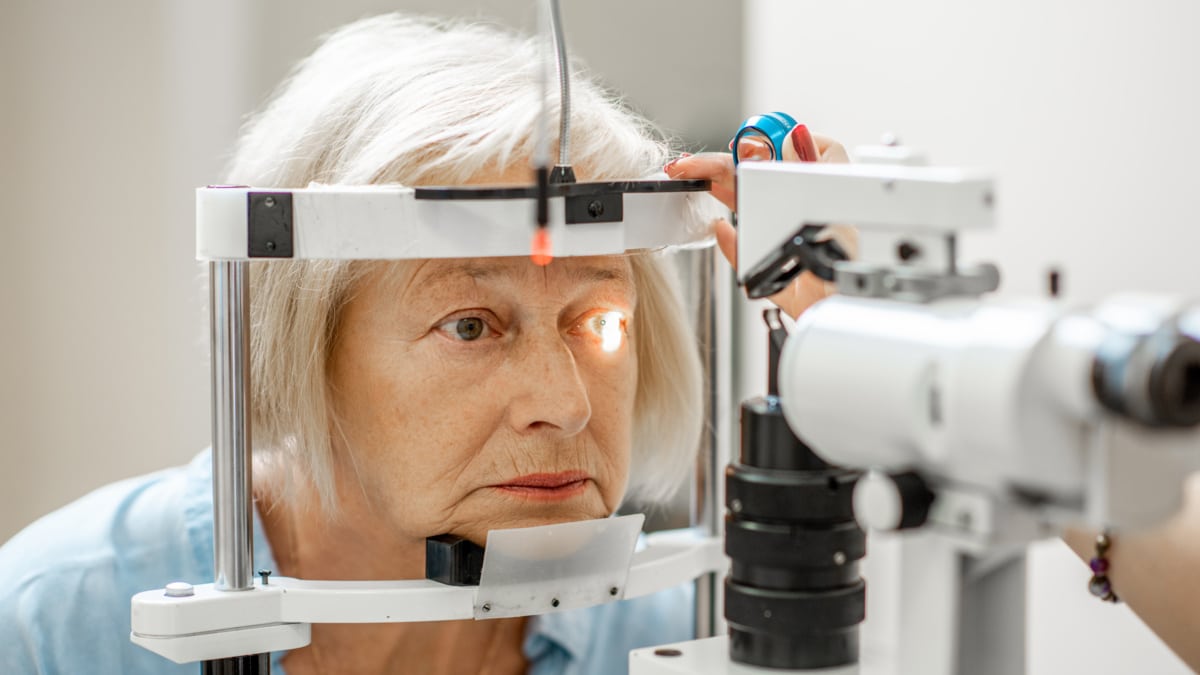
A diabetic eye exam detects changes that may not yet affect how you see. Early screening provides clarity, confidence, and coordination with your broader medical care.
If you have diabetes or notice fluctuating vision, contact Art of Optiks today to schedule your diabetic eye exam and retinopathy screening. Proactive monitoring remains the most effective way to protect long-term vision.