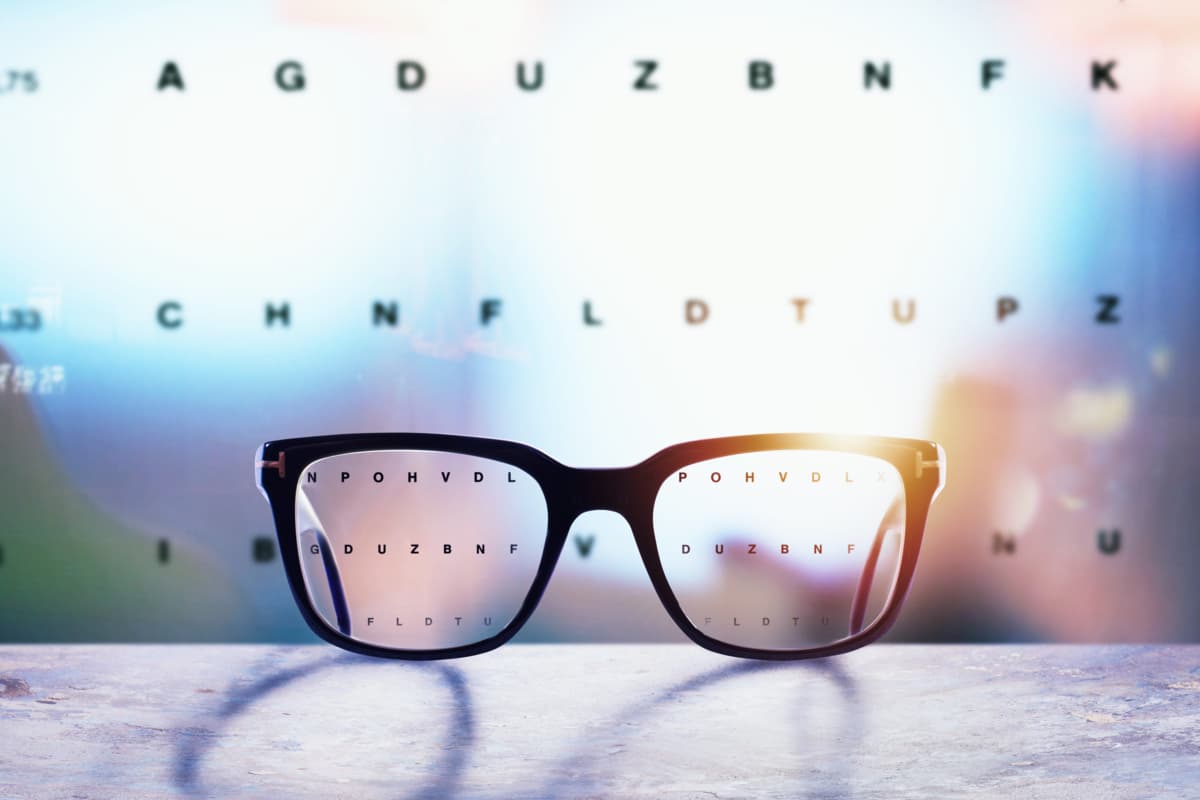

Many people notice a subtle shift in their early 40s. Reading menus takes more effort, phone screens seem smaller, and arm length suddenly feels shorter. These changes can feel frustrating, especially for patients who have always enjoyed clear vision.
The cause is presbyopia, a natural part of aging that affects near focus. At Art of Optiks, we help patients navigate this transition with options such as multifocal contact lenses, monovision strategies, and customized vision plans tailored to daily routines.
Why Vision Changes After 40
Presbyopia occurs as the eye’s internal lens gradually loses flexibility. This reduces the ability to focus on close objects and typically progresses over time. The American Academy of Ophthalmology explains that presbyopia is a natural part of aging that typically begins in the early to mid-40s.
What Presbyopia Actually Means
Presbyopia is a normal age-related change in the eye’s ability to focus on nearby objects. As the internal lens becomes less flexible, shifting focus from distance to near tasks requires more effort, especially during reading, screen use, and detailed work. Presbyopia does not indicate disease or damage. It reflects a normal change in the eye’s focusing system. As flexibility decreases, near tasks require more effort.
Common presbyopia symptoms include:
- Holding reading material farther away to see clearly
- Difficulty reading small print, especially in dim light
- Eye fatigue or strain during close tasks
- Headaches after prolonged near work
- Needing brighter illumination for reading or fine detail
Distance clarity may remain stable initially, which can make early presbyopia symptoms feel inconsistent. Over time, near tasks become noticeably more demanding without appropriate correction.
Factors That Can Influence When Presbyopia Develops
Although presbyopia typically begins in the early to mid-40s, certain factors can influence how early or how noticeably symptoms emerge. These risk factors relate to lifestyle demands, visual stress, and overall eye health. Common factors associated with earlier or more pronounced presbyopia include:
- Extensive near work or prolonged screen time
- Uncorrected refractive errors (e.g., hyperopia)
- Systemic conditions, such as diabetes, that affect lens flexibility
- Medications that influence focusing ability
- Genetic or family history of earlier presbyopia
These factors do not cause presbyopia, but they can affect when and how clearly you notice changes. Understanding your visual habits and health history helps tailor the right correction strategy for you.
What Are Multifocal Contact Lenses?
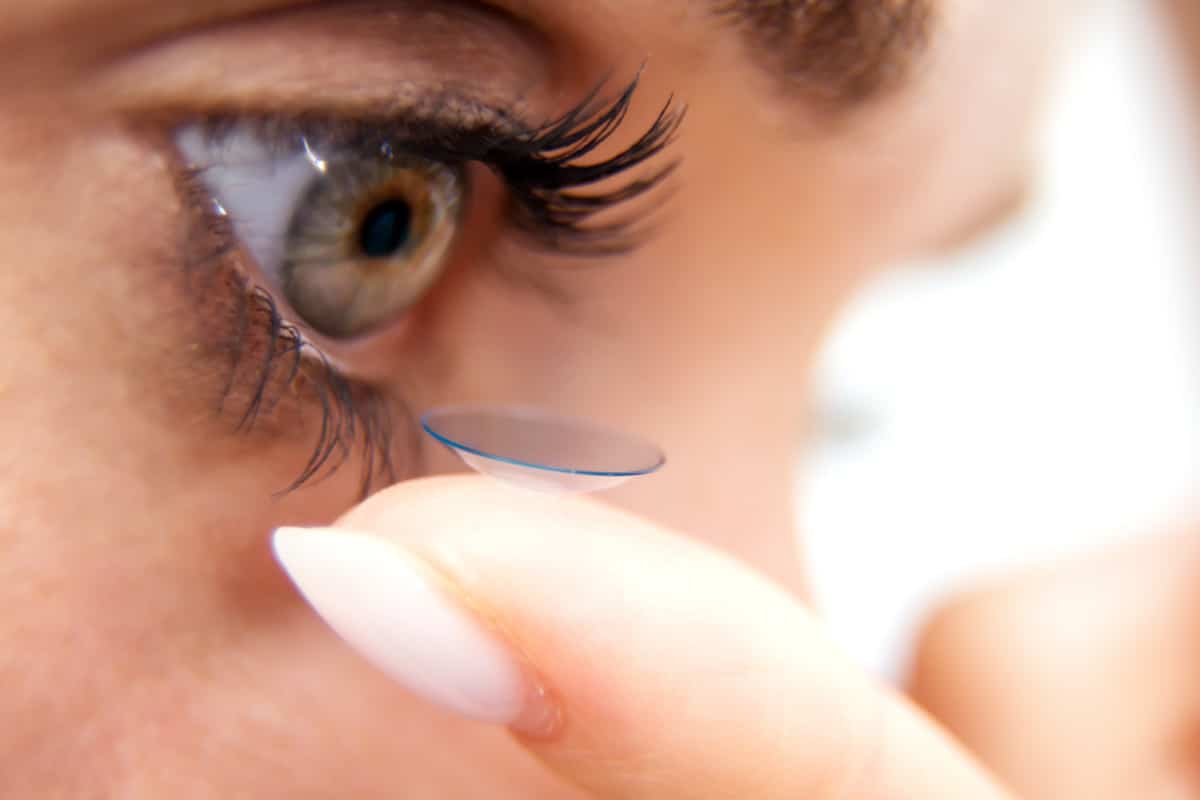
When presbyopia begins affecting everyday tasks, many patients want a solution that reduces reliance on multiple pairs of glasses. Multifocal contact lenses are designed to address that need by providing vision correction at more than one distance within a single lens.
Instead of switching between reading glasses and distance correction, these lenses allow the eyes to function across ranges more naturally. The goal is visual continuity without sacrificing comfort.
How Multifocal Contact Lenses Work
These lenses contain multiple zones with varying powers. Light entering the eye passes through near and distance areas simultaneously. The brain then interprets the appropriate image depending on focus. This process relies on adaptation rather than mechanical switching.
How They Differ From Bifocals
Bifocal glasses separate viewing areas clearly in the lens. Multifocal contacts blend zones more gradually. Because the lens moves with the eye, the brain selects focus automatically. The experience feels different from segmented lenses. Adjustment takes time.
Multifocal contact lenses aim to balance clarity and flexibility. Success depends on fit, pupil size, and individual visual priorities.
Multifocal vs. Monovision: Which Is Better?
There is no universal answer to this question. The best solution depends on how your eyes respond and what activities matter most.
How Monovision Works
Monovision corrects one eye primarily for distance and the other for near tasks. The brain adapts by prioritizing the appropriate eye depending on activity. Some patients adjust quickly, while others notice depth perception changes. This option can simplify lens design but requires adaptation.
Brain Adaptation and Adjustment
Multifocal contacts require the brain to process blended focal zones. Early wearers may notice mild glare or contrast changes. Most adaptation occurs within days to weeks. Common adjustment challenges include:
- Night glare during driving
- Slight depth perception differences
- Initial awareness of imbalance
Follow-up visits help refine the prescription if needed. Both approaches are effective when carefully selected. Personal testing determines which option feels most natural.
Personalizing Your Vision Plan
Lifestyle strongly influences which correction works best. At Art of Optiks, we discuss daily tasks before recommending a lens design.
- Distance-Focused Lifestyle: Patients who drive frequently or spend time outdoors often prioritize distance clarity. Multifocal designs can be adjusted to emphasize that range. Comfort and safety guide decisions.
- Reading-Heavy Lifestyle: Individuals who spend hours reading or working on screens may prefer stronger near support. Lens design can shift to enhance close focus. Small adjustments improve endurance.
- Modified Monovision Options: Some patients benefit from a blended approach combining multifocal and monovision elements. This customized method fine-tunes clarity and balance. Trial lenses allow real-world testing.
Customization increases success rates. Clear communication about goals improves results.
Setting Expectations for Success
Adapting to multifocal contact lenses requires patience and open communication. Realistic expectations improve satisfaction. Patients should expect:
- A brief adaptation period
- Trial lenses before finalizing
- Minor refinements after wear
- Follow-up visits for optimization
Presbyopia is progressive, and prescriptions may evolve. Ongoing care ensures vision remains comfortable and functional.
See Clearly at Every Distance With the Right Fit at Art of Optiks

Multifocal contact lenses offer flexible correction for over-40 vision, but proper contact lens fitting and guidance make the difference. Personalized evaluation ensures the lens design matches your lifestyle and visual priorities.
If you are noticing near vision changes or exploring presbyopia options, contact Art of Optiks today to schedule a contact lens evaluation. Our team will guide you through multifocal contacts, monovision, and other solutions to support clear vision at every distance.