

Many adults notice the same change at some point: small print looks harder to read, phones must be held farther away, and menus require brighter light. The easiest solution is often the rack of reading glasses at a pharmacy or store. They provide instant clarity, cost little, and feel like a practical fix.
However, near blur does not always come from a single cause. While reading glasses can improve magnification, they do not evaluate why your vision has changed. Understanding when they are appropriate and when an eye exam matters helps you avoid frustration and protect long-term eye health.
Why Reading Glasses Seem to Work
Reading glasses improve near vision by enlarging text so your eyes can focus more easily. This is why many people feel immediate relief the first time they try them.
A public health report shows that basic reading glasses can boost daily functioning and productivity, emphasizing the benefits of simple magnification for near tasks. However, this improvement doesn’t address the underlying cause of vision problems.
What They Correct
Most over-the-counter readers help with presbyopia, a condition where the eye’s lens becomes less flexible and struggles to focus on near objects. Magnification makes reading easier, which is why many people start preferring larger text around their 40s.
Why They Help So Quickly
Reading glasses do not change your eyes focusing ability. Instead, they adjust the image so your eyes do less work. The clarity feels immediate because the brain receives a larger, easier-to-interpret image. Relief does not always equal resolution.
Why Clear Vision Doesn’t Mean Complete Vision
Even if text becomes sharp, other visual functions may still struggle. Comfort, endurance, and coordination are separate from magnification. Readers improve one part of vision, but do not measure overall performance.
The Limitations of Store-Bought Reading Glasses
Convenience comes with compromises. Over-the-counter readers assume all eyes function the same way, which is rarely true.
- Equal Power in Both Eyes – Most people have different prescriptions for each eye. Using readers with the same strength can lead to imbalance and fatigue over time, with symptoms appearing after extended use.
- Fixed Lens Position – Prescription eyewear aligns optical centers with your pupils, while store-bought readers do not. This misalignment can cause eye strain instead of relief.
- Long-Term Comfort Problems – Short reading sessions may feel fine, but extended use can lead to headaches or tired eyes. While the lenses improve magnification, they don’t enhance efficiency.
These limitations are more apparent during extended reading sessions. If comfort declines, it suggests the lenses are compensating instead of properly supporting your eyes’ coordination.
When Reading Glasses Are Appropriate
Reading glasses still have a place in everyday vision care. They are not harmful when used in the right situations.
- Occasional Reading Tasks – For short-term or infrequent reading, readers can provide convenient clarity.
- Backup Eyewear – Many patients keep them as a secondary pair when prescription glasses are unavailable.
- Temporary Solution – They can help until a scheduled eye exam determines the ideal prescription.
In the right situations, readers can be a practical short-term solution. Knowing their limits helps you decide when convenience is enough and when a tailored prescription is more effective.
Signs You Should Not Self-Prescribe Glasses
Some symptoms suggest your vision issues involve more than normal focusing changes. Repeatedly increasing magnification isn’t always the right solution.
- Headaches or Eye Fatigue – Discomfort during reading often indicates your eyes are working harder to stay coordinated. Stronger readers may mask the symptom without correcting the cause.
- One Eye Clearer Than the Other – If one eye struggles more than the other, unequal prescriptions may exist. Readers cannot correct this imbalance.
- Rapidly Changing Vision – Needing stronger lenses frequently may signal a different visual issue. An exam clarifies whether the change is normal or needs monitoring.
- Blurry Distance Vision – Readers only address near tasks. Difficulty seeing far away suggests a broader prescription need.
If these symptoms appear, magnification alone won’t likely help. A professional evaluation is needed to determine if the issue is with focus, coordination, or another vision change.
What an Eye Exam Finds That Readers Cannot Fix
An eye exam evaluates more than reading ability. It determines why near vision changed, rather than only enlarging text.
- Focusing System Function: Optometrists assess how efficiently your eyes adjust between distances. Some patients need support for stamina rather than magnification.
- Eye Coordination: The eyes must work together precisely for comfortable vision. Coordination issues often cause strain even when the print looks sharp.
- Early Eye Health Changes: Some conditions begin with subtle focusing difficulty before noticeable vision loss. A comprehensive evaluation checks eye health alongside vision clarity.
An eye exam identifies the underlying causes of symptoms rather than just masking them with stronger lenses, allowing for better treatment and comfort.
The Right Next Step When Things Get Blurry
Reading glasses provide quick magnification but don’t address how your eyes work together over time. However, if you need stronger lenses or struggle to read for long, it may indicate a deeper issue beyond magnification.
Why Prescription Readers Are Worth the Investment
Prescription reading glasses are tailored to your eyes based on an eye exam. Instead of guessing lens strength, an eye exam accurately measures eye alignment and the viewing distance needed for comfortable vision.
Patients often notice differences in:
- Longer reading comfort
- Reduced eye fatigue
- Clearer focus at natural working distances
- Better balance between both eyes
The goal is not stronger magnification but more efficient vision that remains stable throughout the day.
Why Patients Choose Art of Optiks
Patients seeking an eyewear provider in Wayzata and a Minneapolis eye doctor often value both clinical care and eyewear expertise in one place. Art of Optiks combines comprehensive evaluation with curated eyewear selection.
- Comprehensive eye exams that evaluate function, not just clarity
- Personalized prescription recommendations based on daily tasks
- Premium glasses and designer frames fitted to your measurements
- Guidance selecting lenses suited for reading, screens, or multitasking
Eye exams matter more than the number. At Art of Optiks, our comprehensive eye exam uncovers issues that acuity tests alone can’t reveal, helping patients understand their symptoms and whether glasses will enhance comfort.
Not Sure What You Need? Book an Eye Exam With Art of Optiks
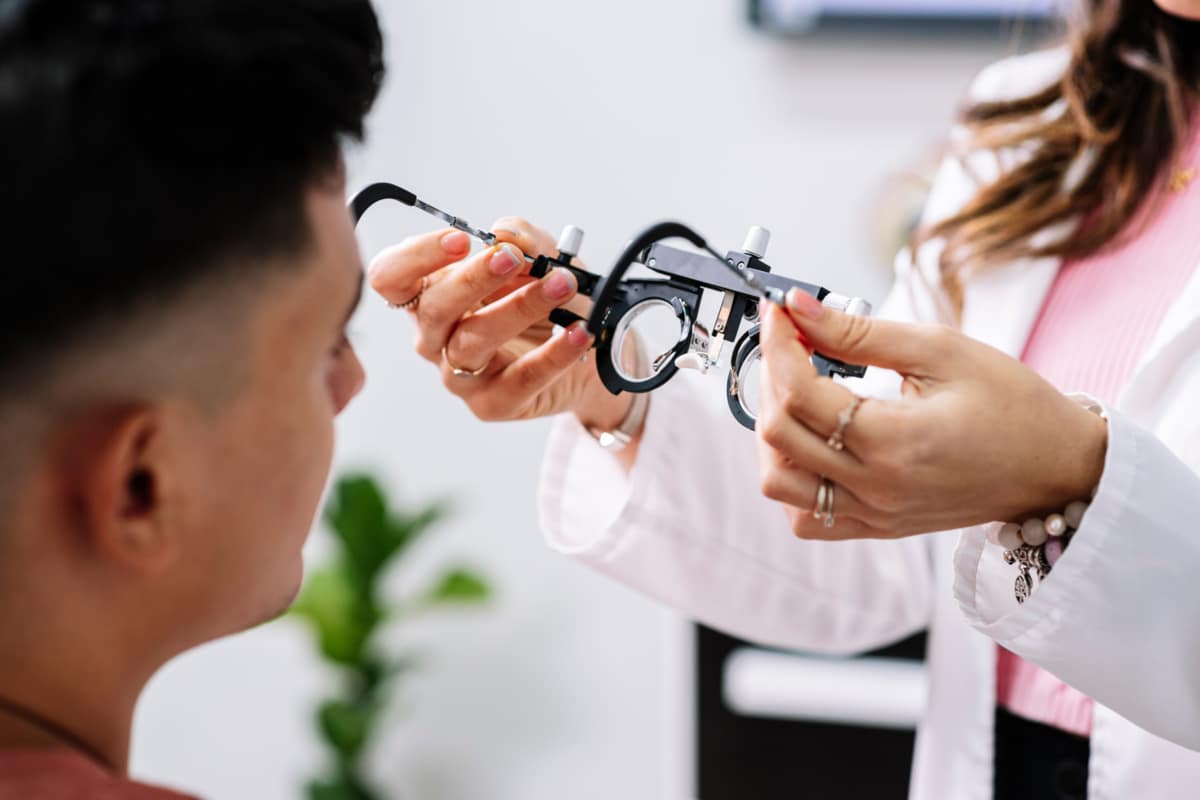
Reading glasses can be helpful, but they do not replace a professional evaluation. They improve near clarity, yet they cannot identify the cause of vision issues or confirm long-term eye health.
If you are relying on stronger readers, experiencing fatigue, or noticing changes in comfort, contact Art f Optiks today. Our team at Art of Optiks offers comprehensive eye care services in Minneapolis to determine the right solution for comfortable, reliable vision.