

Struggling with reading, focus, or constant headaches can frustrate you, especially when basic eye exams don’t explain what’s happening. That’s when we start talking about vision therapy. It’s a proven way to help the eyes and brain work together more effectively so things like schoolwork and everyday tasks don’t feel overwhelming.
One of the first questions we often hear is, “How long does vision therapy take?” Here’s what you need to know.
What Is Vision Therapy?
Vision therapy is a non-surgical program designed to correct visual-motor and visual-processing deficits. Understanding who can benefit from vision therapy is key, as it can help patients with:
- Convergence insufficiency (difficulty coordinating both eyes)
- Strabismus (eye turn)
- Amblyopia (lazy eye)
Visual processing issues - Eye strain or fatigue from reading or screen use
Often compared to physical therapy, vision therapy strengthens the connection between the eyes and the brain through structured, guided eye exercises.
How Long Does Vision Therapy Take?
Typical Treatment Duration
Most programs last three to nine months. Sessions usually occur once or twice weekly and last 45 to 60 minutes. Depending on the diagnosis, some may need more time, while others progress faster.
Clinic sessions are often reinforced with at-home therapy exercises. These brief daily activities help speed up results and improve the retention of new visual skills.
Factors That Affect the Timeline
Several variables impact how long vision therapy takes:
- Condition severity: Complex visual issues take longer to treat.
- Patient age: Younger individuals may respond faster, though adults can still benefit.
- Session frequency: Frequent visits and consistent home practice often lead to faster progress.
- Commitment: If needed, active participation from the patient and family is key to success.
What to Expect from the Process
Initial Assessment
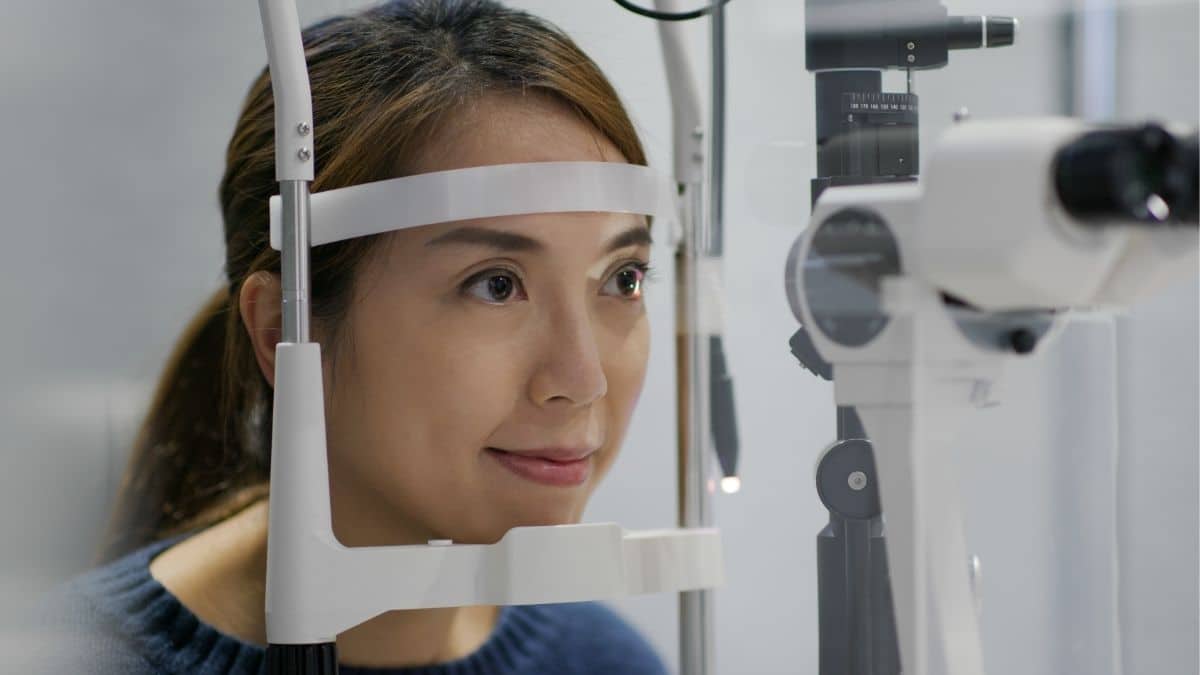
Before starting, patients undergo a comprehensive functional vision evaluation. This test looks beyond basic sight to assess how the eyes work together and how the brain processes visual input.
Personalized Treatment Plan
The results guide a customized therapy plan. Each session includes targeted eye exercises using lenses, prisms, filters, and sometimes digital technology. Progress is reviewed regularly, and the plan is adjusted as needed.
In-Office and At-Home Exercises
Office sessions are structured and therapist-led. At-home work reinforces those skills and typically takes 10–15 minutes daily. The combination of both ensures steady improvement.
How Do You Know It’s Working?
Success is tracked not just by tests but by real-life changes. Improvements may include:
- Reduced eye fatigue
- Better reading and comprehension
- Fewer headaches
- Improved depth perception and coordination
Children might show more confidence at school or during sports. Adults often notice increased comfort at work, especially when reading or using screens.
Are the Results Permanent?
Yes—usually. Vision therapy creates lasting neural changes, especially when patients complete the program. Some may need follow-up sessions or occasional refreshers, especially after life changes like growth spurts or increased screen time.
Explore Vision Therapy Today
Vision therapy is not a quick fix but a proven approach to solving vision-related challenges at its core. While the timeline varies, most patients complete therapy within several months and experience meaningful improvements in daily life.
If you or your child is struggling with symptoms that could be vision-related, don’t wait to take the next step. For personalized care and expert guidance, contact Art of Optiks today.