Driving depends on clear visual information, from reading road signs to judging distance and speed. When distorted vision affects how objects appear, even briefly, it can interfere with reaction time and decision-making behind the wheel. Many drivers are unsure whether this type of visual change is temporary or a sign of something more serious.
At Art of Optiks, we see patients who notice subtle visual changes first while driving. Understanding what distortion means, how it differs from simple blur, and when to seek care can help protect both vision and safety.
What Is Distorted Vision?
Visual distortion occurs when straight lines appear wavy, objects look misshapen, or sizes and distances seem altered. These changes are different from clarity issues and often feel unfamiliar or unsettling.
Understanding Metamorphopsia
Metamorphopsia is a term used to describe visual distortion that alters the perceived shape or size of objects. It often affects how lines, patterns, or edges appear. This type of change can develop gradually or appear suddenly, depending on the underlying cause. Because these changes are subtle at first, some patients dismiss them until daily activities become more challenging.
How Distortion Differs From Blurry Vision
Blurry vision reduces sharpness, while distortion alters structure. Signs of blurry vision may include seeing clear images that appear warped, or lane markings may look uneven instead of fuzzy. This distinction matters because distortion often points to different underlying concerns. Recognizing this difference helps patients communicate symptoms more accurately during an eye exam.
Distortion can be hard to self-recognize. The brain adapts quickly to visual input, sometimes masking gradual changes. Many patients only notice distortion when familiar patterns, such as road lines or text, appear uneven. Driving environments often reveal these changes more clearly than indoor settings.
How Distortion Affects Driving
Driving places unique demands on vision, making subtle changes more noticeable and more dangerous.
Lane Perception and Depth Judgment
Visual distortion can interfere with how drivers perceive lane boundaries and depth. Uneven or warped lines may affect positioning within a lane. This can increase the risk of drifting or delayed corrections. Accurate depth perception is essential for safe navigation, especially at higher speeds.
Reading Signs, Signals, and Oncoming Traffic
Distortion can alter how signs, headlights, or traffic signals appear. Shapes may look stretched or compressed, making recognition slower. This delay can impact response time in fast-moving traffic situations. Clear interpretation of visual cues is critical for safe driving decisions.
Why Driving Amplifies Visual Risks
Driving requires constant visual scanning and rapid interpretation. Small distortions that go unnoticed during daily tasks may become more obvious and more hazardous on the road. This environment often reveals early signs of vision changes.
Three Common Causes of Visual Distortion
Visual distortion can stem from a variety of eye-related or systemic factors. Identifying the cause requires professional evaluation.
1. Retinal and Macular Conditions
Changes affecting the retina or macula can alter how images are processed. These areas are responsible for central vision and fine detail. When affected, straight lines may appear curved or uneven. Early detection is important for managing these conditions effectively.
2. Neurological and Circulatory Factors
In some cases, visual changes are linked to neurological or circulatory issues that affect visual processing. These causes may also present with other symptoms. Professional assessment helps determine whether further evaluation is needed. Prompt attention supports better outcomes.
3. Eye Strain vs. Medical Causes
Temporary visual strain from fatigue or prolonged screen use can sometimes mimic distortion. However, true structural changes require differentiation through a comprehensive eye exam. Self-diagnosis can delay appropriate care.
When Distorted Vision Signals an Urgent Concern
Not all visual changes require immediate action, but some should never be ignored. This section helps clarify when urgency matters.
- Sudden or one-sided changes: Sudden distortion or changes affecting only one eye are more concerning. These patterns may indicate conditions that require prompt evaluation. Waiting can increase the risk of complications. Early assessment helps clarify next steps.
- Distortion with light flashes or shadows: Visual changes accompanied by flashes, shadows, or dark areas require immediate attention. These symptoms can interfere with safe driving and daily activities. Seeking care quickly is essential. Timely evaluation protects both vision and safety.
- Changes that interfere with driving safety: If visual distortion affects your ability to drive confidently or safely, it should be evaluated promptly. Continuing to drive without clarity increases risk. Prioritizing assessment helps prevent accidents and further vision issues.
While some causes of visual distortion are temporary, others require professional evaluation to prevent progression. A comprehensive eye exam helps distinguish between strain-related changes and conditions that affect how the eye processes visual information, allowing for appropriate next steps.
How a Comprehensive Eye Exam Identifies the Cause
A comprehensive eye exam plays a critical role in identifying the source of visual changes and guiding appropriate care.
What Optometrists Evaluate During an Exam
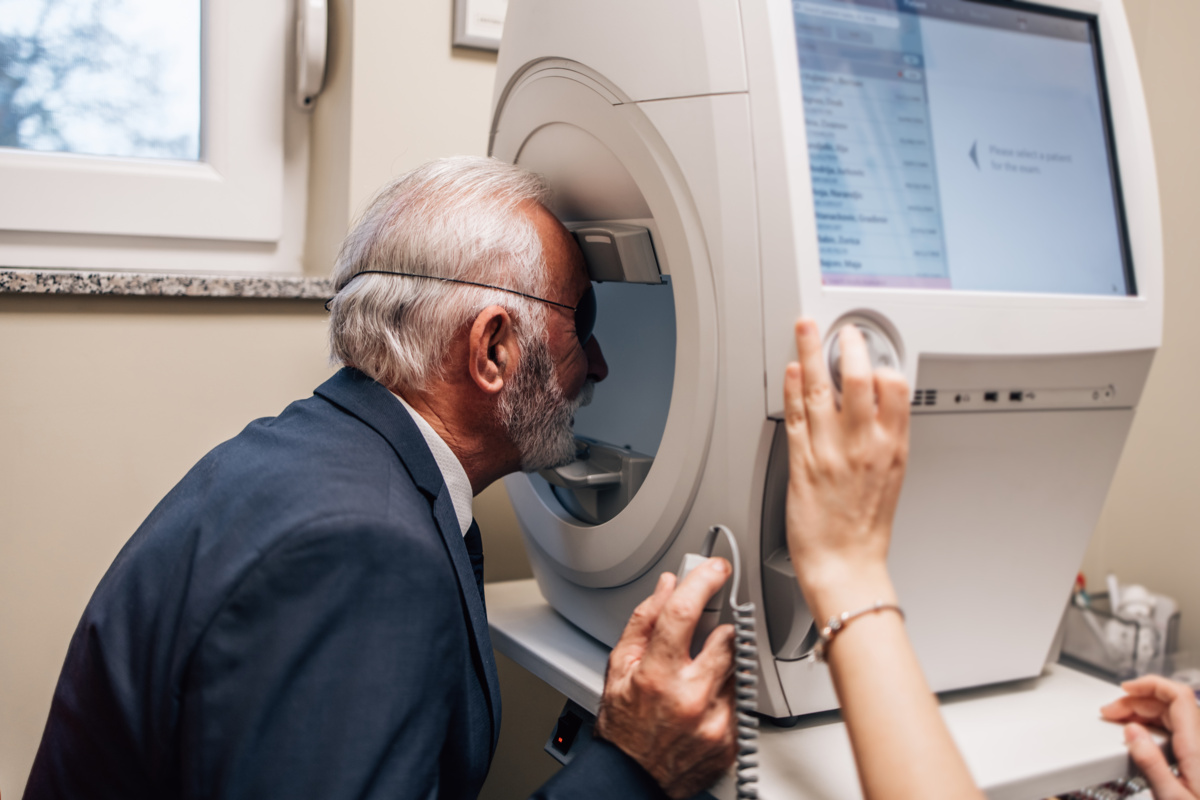
Optometrists assess visual clarity, eye alignment, and retinal health. Advanced testing helps determine whether distortion is related to eye structure or visual processing. These findings guide recommendations. Thorough evaluation supports accurate diagnosis.
Why Imaging and Retinal Evaluation Matter
Imaging allows providers to examine retinal layers and detect subtle changes. This information helps identify conditions that may not be visible through basic testing alone. Early findings often influence treatment decisions. Technology enhances precision and confidence in care.
When Referrals Are Necessary
If exam findings suggest specialized or urgent eye care is needed, referrals ensure patients receive appropriate follow-up. Coordinated care supports timely intervention and continuity.
What to Do If You Notice Visual Changes While Driving
Knowing how to respond helps patients act appropriately without panic. If visual changes interfere with safety. Remember, protecting yourself and others should come first.
- Reduce or stop driving if distortion affects depth, lane position, or reaction time
- Schedule a comprehensive eye exam promptly to identify the cause of visual changes
- Avoid self-diagnosing or delaying care, as distortion may indicate more than eye strain
- Follow professional guidance if additional testing or referral is recommended
Temporary inconvenience is preferable to risk, but most importantly, clear guidance helps patients make informed choices.
Why Searching “Eye Exams Near Me” Is Not Enough
Online searches cannot determine urgency or cause. Professional evaluation provides clarity and direction. Relying solely on search results may delay necessary care. Choosing evaluation over uncertainty supports better outcomes. Early eye assessment allows providers to identify concerns before they progress. Addressing visual changes promptly supports long-term eye health and driving confidence.
Why Choose Art of Optiks for Distorted Vision Concerns?
Visual distortion while driving requires careful evaluation, not assumptions. At Art of Optiks, we focus on identifying the cause of visual changes early so patients can make safe, informed decisions.
- Comprehensive eye exams that evaluate retinal health, visual alignment, and functional vision related to driving.
- Advanced diagnostic technology to detect subtle changes that may not appear during basic vision screenings.
- Experienced optometrists trained to recognize when distorted vision requires monitoring, treatment, or referral.
- Clear guidance and next steps, especially when symptoms affect daily activities like driving.
Our approach prioritizes safety, clarity, and timely evaluation to help protect both vision and confidence behind the wheel.
When Driving Feels Unclear, It’s Time for a Professional Eye Exam
Visual changes while driving should never be dismissed. Distorted vision can interfere with judgment, reaction time, and confidence behind the wheel. Recognizing when changes are normal and when they require attention helps protect both safety and sight.
At Art of Optiks, we help Minnesota patients understand visual symptoms and take appropriate next steps. If you notice changes that affect driving or daily activities, schedule a comprehensive eye exam for professional evaluation and guidance. Early care can make a meaningful difference in preserving vision and safety.