
Most people have heard of LASIK when it comes to vision correction, but it’s not the only option available. Corneal refractive therapy is a non-surgical alternative that’s becoming more popular, especially for those who want flexibility or aren’t ideal candidates for laser surgery. If you’re weighing both options, it helps to understand how each one works and who might benefit most from each approach.
What Is Corneal Refractive Therapy?
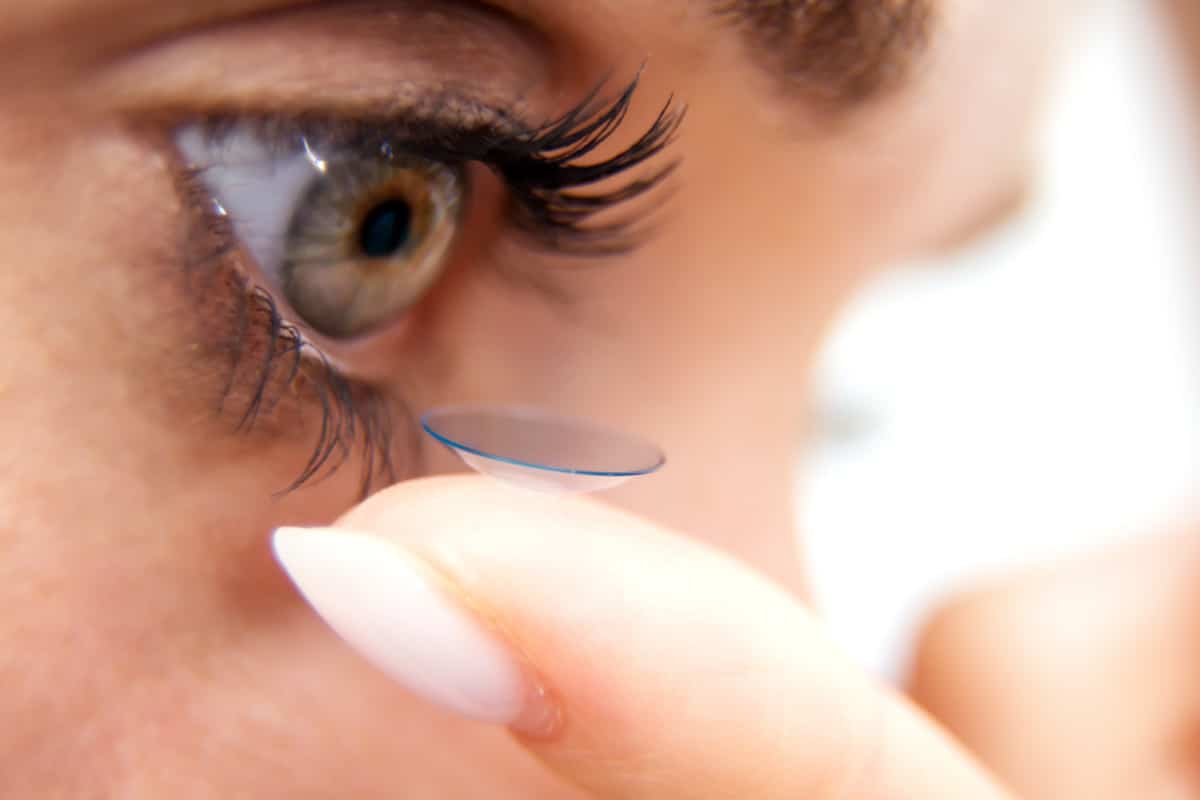
Corneal refractive therapy (CRT) involves wearing specialized gas-permeable contact lenses while you sleep. These lenses gently reshape the cornea’s surface, so you wake up with clearer vision—no glasses or contacts needed during the day.
How CRT Works
CRT offers a unique, non-surgical approach to vision correction. Understanding its simple yet effective mechanism lets you appreciate how it provides a clear vision without needing daytime glasses or contacts.
- Lenses are customized using a high-resolution map of your cornea.
- They’re worn overnight to reshape your cornea gently.
- The effects are temporary and reversible.
- Clear daytime vision is achieved without daytime lens wear.
This innovative process provides a convenient and flexible solution for many seeking freedom from traditional eyewear during the day.
Ideal Candidates for CRT
CRT is a versatile vision correction option that benefits a specific range of individuals. If you’re exploring alternatives to glasses or daytime contact lenses, you might be an ideal candidate for CRT.
- Children with worsening nearsightedness.
- Adults are not eligible for LASIK due to thin corneas or dry eyes.
- Athletes or professionals who want vision correction without daytime lenses.
If any of these apply to you, CRT could offer the clear, glasses-free daytime vision you seek.
What Is LASIK?
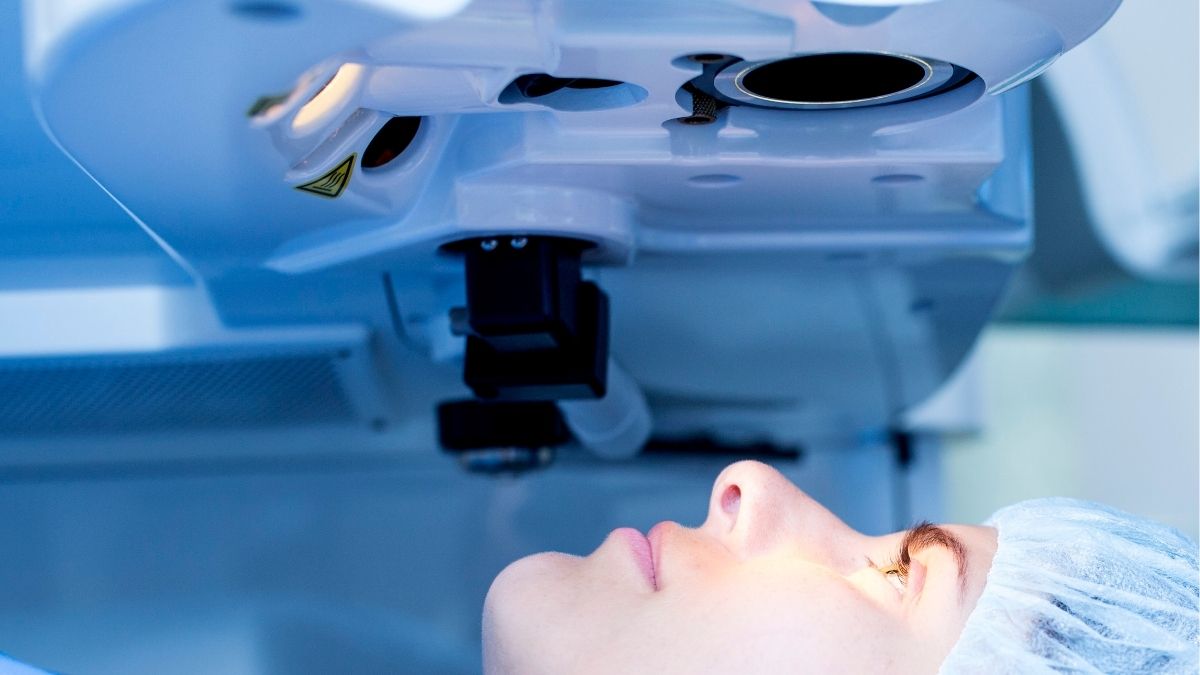
LASIK (Laser-Assisted In Situ Keratomileusis) is a surgical procedure that uses a laser to change the cornea’s shape permanently. This allows light to focus correctly on the retina, correcting issues like nearsightedness, farsightedness, or astigmatism.
How LASIK Works
LASIK is a well-known surgery that can permanently improve eyesight. Knowing the steps involved can clarify the process and show how precise it is.
- A flap is created in the outer layer of the cornea.
- The laser reshapes the underlying corneal tissue.
- The flap is repositioned, allowing for rapid healing.
This precise, quick procedure often results in significantly improved vision, with many patients experiencing clarity within 24 hours.
Who Should Consider LASIK?
While LASIK offers life-changing results for many, it’s not suitable for everyone. You must meet specific criteria to determine whether you’re a good LASIK candidate. This ensures your safety and helps achieve the best results.
- Adults with stable prescriptions for at least a year.
- Patients with healthy eyes and adequate corneal thickness.
- Those looking for long-term vision correction with minimal upkeep.
LASIK could be an excellent option if you meet these criteria and desire lasting freedom from glasses or contacts.
Comparing Corneal Refractive Therapy vs. LASIK
Choosing between vision correction options can be a complex decision. CRT and LASIK represent two distinct yet practical approaches. Each offers unique benefits and considerations, making a direct comparison essential for individuals seeking clearer vision.
Surgical vs. Non-Surgical
The fundamental difference between CRT and LASIK lies in their approach to vision correction.
- CRT is non-invasive and reversible. Stop using the lenses, and your cornea returns to its natural shape.
- LASIK is a permanent procedure that can’t be reversed, though touch-ups are possible.
Side Effects and Risks
While both procedures are considered safe, they have different potential side effects and risks that patients should be aware of.
- CRT avoids surgical risks but does require proper lens care to prevent infections.
- LASIK is generally safe but may lead to side effects like dry eyes or night vision issues.
Age and Eligibility
Patient age and specific eye health criteria determine eligibility for each vision correction method.
- CRT can be used by children and adults, and it is especially helpful in slowing myopia in kids.
- LASIK is only approved for adults aged 18 and older with stable prescriptions.
Cost Differences
The financial commitment for CRT and LASIK also varies, with different payment structures and insurance coverage considerations.
- LASIK typically involves a single upfront cost, which is rarely covered by insurance.
- CRT includes recurring costs for lens replacements and follow-up visits. Some insurance plans may help cover expenses.
Ultimately, the best choice between CRT vs. LASIK depends on your vision needs, lifestyle, risk tolerance, and financial considerations. Consulting with an eye care professional is crucial to determine which option is right for you.
Lifestyle Impacts
When comparing corneal refractive therapy vs. LASIK, lifestyle plays a significant role. CRT allows daily freedom from glasses without surgery, making it attractive for kids and active individuals. LASIK, however, is ideal for those who prefer a permanent solution with little maintenance.
Find Your Best Path to Perfect Vision with Art of Optiks
Both treatments have helped countless people improve their vision, but the right one depends on your personal goals and eye health. Professional guidance is essential when considering LASIK or exploring CRT as a non-surgical option. To find out which option best suits you, contact Art of Optiks today to schedule a personalized consultation with our eye care experts.