
This article is general information, not medical advice. Whether vision therapy is appropriate depends on your individual diagnosis and should be determined through a comprehensive evaluation with an eye care provider.
Many people believe that lazy eye can only be treated during childhood. This idea comes from older treatment models that focused heavily on early intervention and suggested improvement was unlikely later in life.
Modern research and clinical experience have shown that the visual system can remain adaptable beyond childhood. While early treatment is still ideal, vision therapy for lazy eye may still help adults improve visual coordination, comfort, and daily visual performance. At Art of Optiks, vision therapy programs are tailored to each patient’s goals, whether improving reading efficiency, visual comfort, or recovery after neurological injury.
What Lazy Eye (Amblyopia) Actually Is
Lazy eye, medically known as amblyopia, occurs when one eye and the brain fail to develop normal visual communication. When this happens, the brain begins to rely more heavily on the stronger eye while ignoring signals from the weaker one.
The National Eye Institute reports that amblyopia affects about three of every 100 children, making it the leading cause of preventable vision loss in one eye. Because it develops early and the brain adapts around it, some people reach adulthood without ever being told they have it.
How Amblyopia Develops
Amblyopia can develop when the brain receives unequal visual input from the two eyes. When one eye sends a clearer image than the other, the brain may begin suppressing the weaker eye to avoid confusion.
Several factors can lead to this imbalance, including:
- Unequal refractive errors between the eyes
- Eye misalignment (strabismus)
- Blocked visual input during early development
Over time, the suppressed eye may develop reduced visual acuity and weaker coordination. Early diagnosis helps prevent long-term suppression of the weaker eye.
Why It Sometimes Goes Undetected
In many cases, lazy eye can remain subtle for years. The brain naturally favors the eye providing the clearest image, which can mask the presence of a weaker eye. Some individuals only notice the issue when the stronger eye is covered during a vision test. Others notice mild symptoms for years without connecting them to a cause. Because the brain compensates so effectively for the weaker eye, the condition often stays hidden until a comprehensive eye exam looks for it directly.
Why Many Adults Think Lazy Eye Cannot Be Treated
For decades, treatment for amblyopia focused primarily on children. Doctors believed the brain’s ability to adapt decreased significantly after early developmental years. This belief led many adults to assume that treatment would no longer be effective.
Historical Treatment Beliefs
Traditional treatment for amblyopia focused on patching the stronger eye to encourage use of the weaker eye, especially in childhood. Patching remains one of several lazy eye treatment options, though it is no longer the only one. Many believed that after adolescence, treatment options were limited and improvement in adults was unlikely. As a result, adults with amblyopia were often told that improvement was unlikely.
Modern Understanding of Neuroplasticity
Advances in neuroscience have reframed that assumption. The American Academy of Ophthalmology notes that while treatment was traditionally recommended only through the ages of eight or nine, recent studies suggest treatment of older patients may succeed because the visual system’s plasticity appears to extend into adulthood. Vision therapy applies that principle to how the brain processes visual input. While adults may see slower progress, targeted therapy can improve visual coordination. Setting realistic expectations matters, including how long vision therapy takes and what progress looks like along the way.
How Vision Therapy Works
Vision therapy is a structured program of exercises that trains how the eyes and brain work together, targeting visual coordination, focusing ability, and eye movement control. Rather than correcting the image the way glasses or contacts do, it works on the neurological pathways that process what the eyes send.
That makes it closer to physical rehabilitation than to a prescription. Progress depends on consistency and professional supervision, and the goal is functional: better visual performance during the tasks that currently cause symptoms.
Personalized Therapy Programs
Every vision therapy program is customized based on the patient’s visual needs and evaluation results. Some patients require exercises that strengthen binocular coordination, while others focus on eye tracking or focusing control.
Common therapy activities may include:
- Eye coordination exercises
- Focusing flexibility training
- Depth perception activities
- Visual tracking exercises
These exercises are designed to improve how the eyes work together during reading, sports, and everyday tasks. Personalized therapy helps ensure the exercises target each patient’s specific visual challenges.
When Adults May Benefit From Vision Therapy
Vision therapy can benefit adults experiencing several types of visual challenges. While childhood amblyopia is one example, other visual conditions may also respond well to therapy. Evaluating each patient’s visual history helps determine the potential benefits.
Later-Onset Vision Problems
Some individuals can develop amblyopia later in life due to injury or illness. In such cases, vision therapy may help retrain the brain to process visual information. Adults with previous treatment who still face symptoms may also benefit from therapy, as even small improvements in visual coordination can enhance daily comfort.
Recovery After Brain Injury or Neurological Events
Vision therapy is often part of rehabilitation after neurological injury, including traumatic brain injury and stroke, where it targets visual coordination and functional vision during recovery.
Examples of situations where therapy may be helpful include:
- Traumatic brain injury
- Stroke recovery
- Neurological conditions affecting visual processing
Rehabilitation programs often incorporate vision therapy to support overall recovery. Improving visual function can significantly enhance the quality of life for patients recovering from neurological events.
Signs an Adult May Have Undiagnosed Lazy Eye
Because the brain can compensate for visual imbalance, amblyopia may go unnoticed for years. Some adults only discover the condition during routine eye exams.
Possible signs include:
- Double vision during certain tasks
- Reduced depth perception
- Frequent head tilt when focusing
- Visual fatigue during reading
- Difficulty maintaining focus on detailed work
These symptoms may appear gradually and can sometimes be mistaken for general eye strain. A comprehensive eye exam can help determine whether amblyopia or another visual condition is present.
What to Expect During a Vision Therapy Evaluation
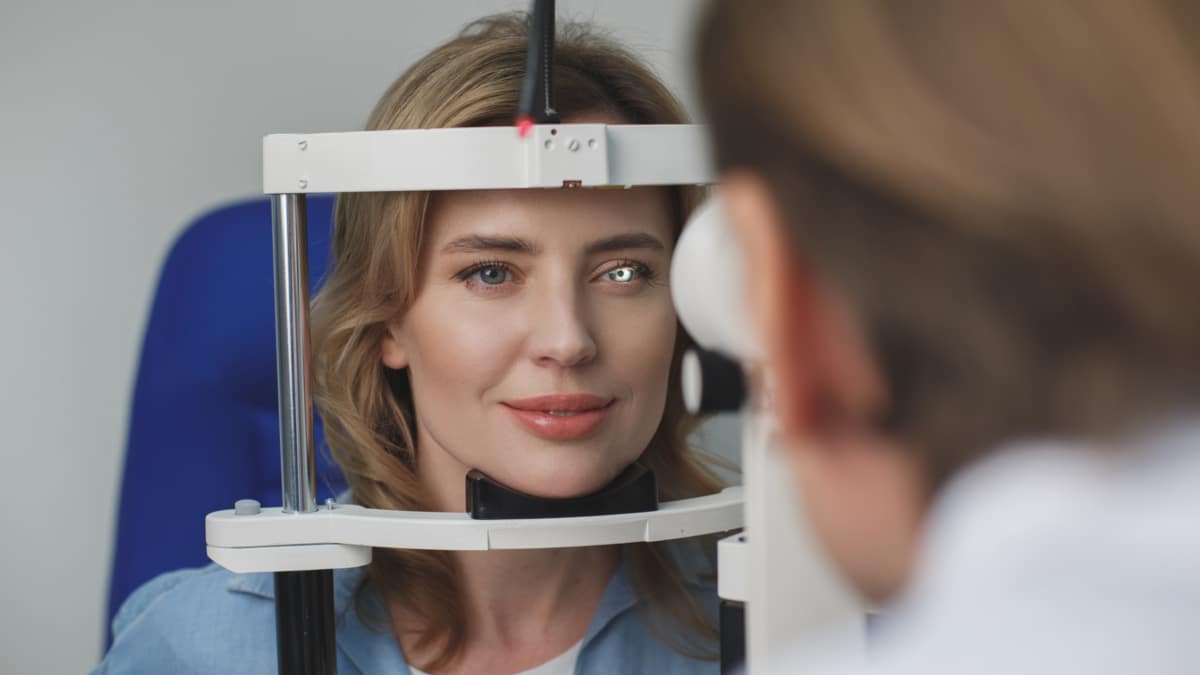
A vision therapy evaluation involves several tests designed to assess how the eyes function together. These assessments go beyond a standard vision exam. Doctors analyze multiple aspects of visual performance to identify coordination issues.
Binocular Vision Testing
Binocular vision testing measures how well the eyes align and work together. These tests help determine whether the brain is effectively combining images from both eyes. If suppression of one eye is detected, therapy exercises may focus on restoring balanced visual input. Accurate diagnosis helps guide the design of an effective therapy program.
Oculomotor and Visual Function Assessment
Eye movement and visual tracking are also evaluated during the exam. These skills are important for reading, sports performance, and general visual coordination. Doctors observe how the eyes move during tracking tasks and how quickly they adjust focus between distances.
These tests help identify areas where therapy may improve visual performance. Comprehensive evaluation ensures therapy addresses the underlying cause of symptoms.
Why Choose Art of Optiks for Vision Therapy
At Art of Optiks, vision therapy programs are tailored to each patient’s unique visual needs. The clinic focuses on improving both visual performance and long-term eye comfort.
Vision therapy care at Art of Optiks may include:
- Detailed binocular vision assessments
- Personalized therapy programs
- Rehabilitation for neurological visual conditions
- Programs designed for athletes and students
- Guidance for improving visual comfort and efficiency
This individualized approach allows doctors to address the specific challenges each patient experiences. Supporting visual function at every stage of life is a key part of comprehensive eye care.
Explore Vision Therapy Options at Art of Optiks
Many adults assume that lazy eye cannot be improved later in life, but modern approaches to vision therapy continue to expand treatment possibilities. Identifying the underlying cause of visual imbalance is the first step toward improving visual performance. At Art of Optiks, patients receive thorough evaluations and personalized therapy recommendations designed to support long-term visual function. Contact Art of Optiks today to learn how vision therapy may help improve coordination, comfort, and everyday visual performance.