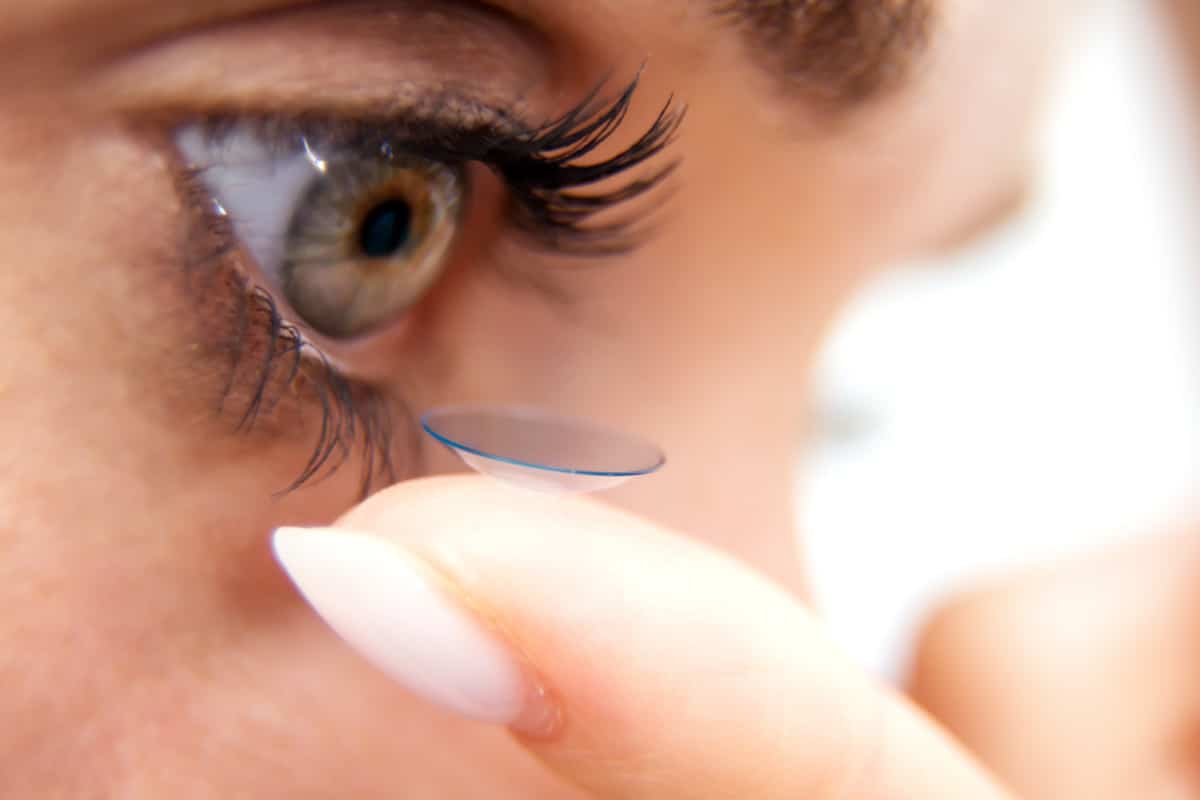

Laser vision correction is a popular choice for people who want to reduce their dependence on glasses or contacts, but it isn’t right for everyone. One factor that can affect eligibility is corneal thickness. If you’re considering LASIK and have thin corneas, it’s essential to understand why that matters and your options. A detailed evaluation can help determine whether LASIK is still possible or if another solution would be safer.
Understanding Corneal Thickness and LASIK Safety
The cornea is the transparent front layer of the eye that helps focus incoming light. During LASIK, a flap is made in the cornea so that an excimer laser can reshape the underlying tissue and correct vision. Enough tissue must be left untouched for the cornea to remain strong and stable.
Why Thickness Matters
Thin corneas can complicate LASIK. Creating a flap and reshaping the tissue reduces the cornea’s thickness further. If too much tissue is removed, the eye’s structure can weaken. This increases the risk of complications like corneal ectasia, a progressive bulging that may require further treatment or even a corneal transplant.
LASIK If You Have Thin Corneas: Is it Ever an Option?
For many individuals, LASIK offers a life-changing opportunity for clear vision. However, corneal thickness is critical in determining eligibility, and patients with thinner corneas often wonder if LASIK is still possible. Understanding the evaluation process and potential alternatives is key.
The Initial Evaluation
Your provider will start with a comprehensive eye exam. Corneal topography and pachymetry map the cornea’s surface and measure thickness. Most LASIK procedures require at least 500 microns of corneal thickness, although this varies depending on the amount of correction needed.
If your measurements are borderline, your surgeon may still approve LASIK using thinner flaps or alternative laser settings. However, many individuals with thin corneas will be advised to consider other procedures. Always ask your LASIK surgeon about your corneal thickness and its implications for the procedure.
Safe Alternatives to LASIK for Thin Corneas
LASIK may not always be the safest or most suitable vision correction option for individuals with thin corneas. However, having thin corneas doesn’t mean you can’t achieve clear vision without glasses or contacts. Several practical and safe alternatives offer excellent results tailored to your eye health.
1. Photorefractive Keratectomy (PRK)
PRK is often the go-to alternative. Instead of creating a flap, the cornea’s outer layer is gently removed, and the laser reshaping happens on the surface. Since PRK preserves more corneal tissue, it’s safer for people with thin corneas.
The trade-off is recovery time. LASIK vs PRK healing takes longer, and there may be more initial discomfort. Still, visual results after PRK are comparable to LASIK.
2. Small Incision Lenticule Extraction (SMILE)
SMILE is a newer technique that uses a femtosecond laser to create and remove a small disc of tissue from the inner cornea through a tiny incision. This procedure stands out when comparing LASIK vs. SMILE because there’s no flap, and less tissue is removed, making SMILE a potential option for those with moderate corneal thickness.
3. Implantable Collamer Lenses (ICL)
ICL offers a non-laser alternative for very thin corneas or people with high prescriptions. This procedure places a permanent lens inside the eye, behind the iris. Since the cornea remains untouched, it’s ideal for patients not qualifying for other refractive surgeries.
Choosing the Right Path Forward
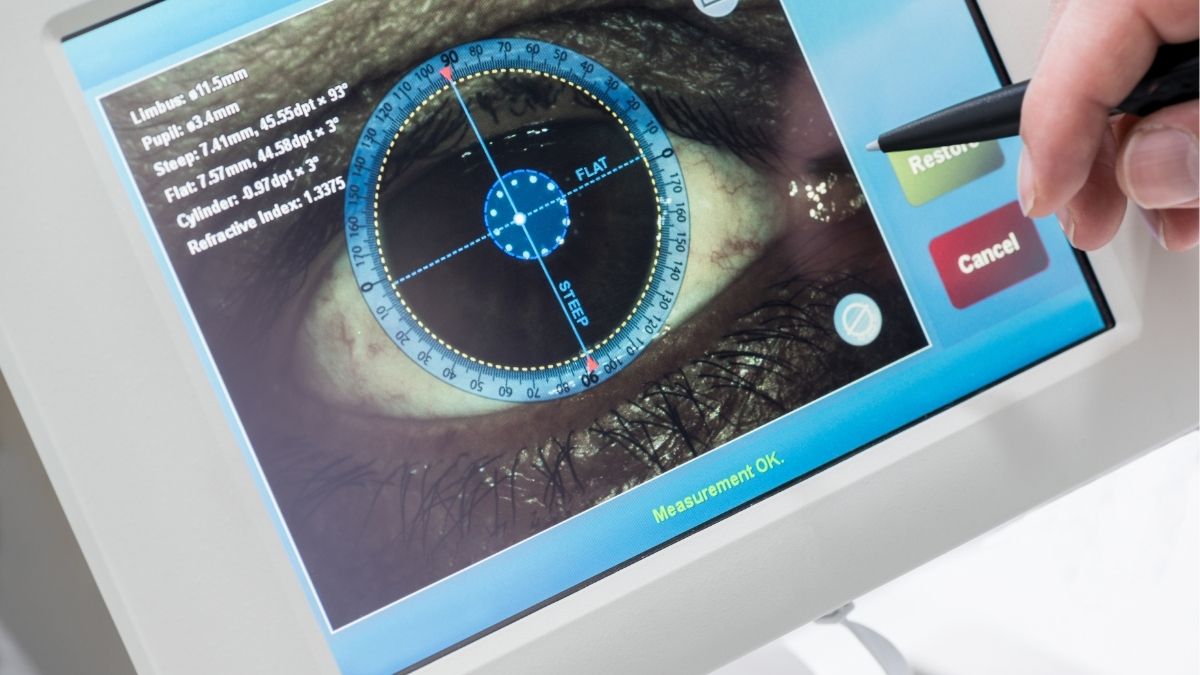
Finding the safest solution begins with the right provider. An experienced eye care team will use advanced diagnostics to assess your corneal health and determine which treatment aligns with your vision goals and eye anatomy. Even if LASIK isn’t a fit due to thin corneas, today’s technology offers more alternatives than ever, many with excellent long-term outcomes. Contact Art of Optiks today to schedule a comprehensive consultation and learn which vision correction option is best for you.