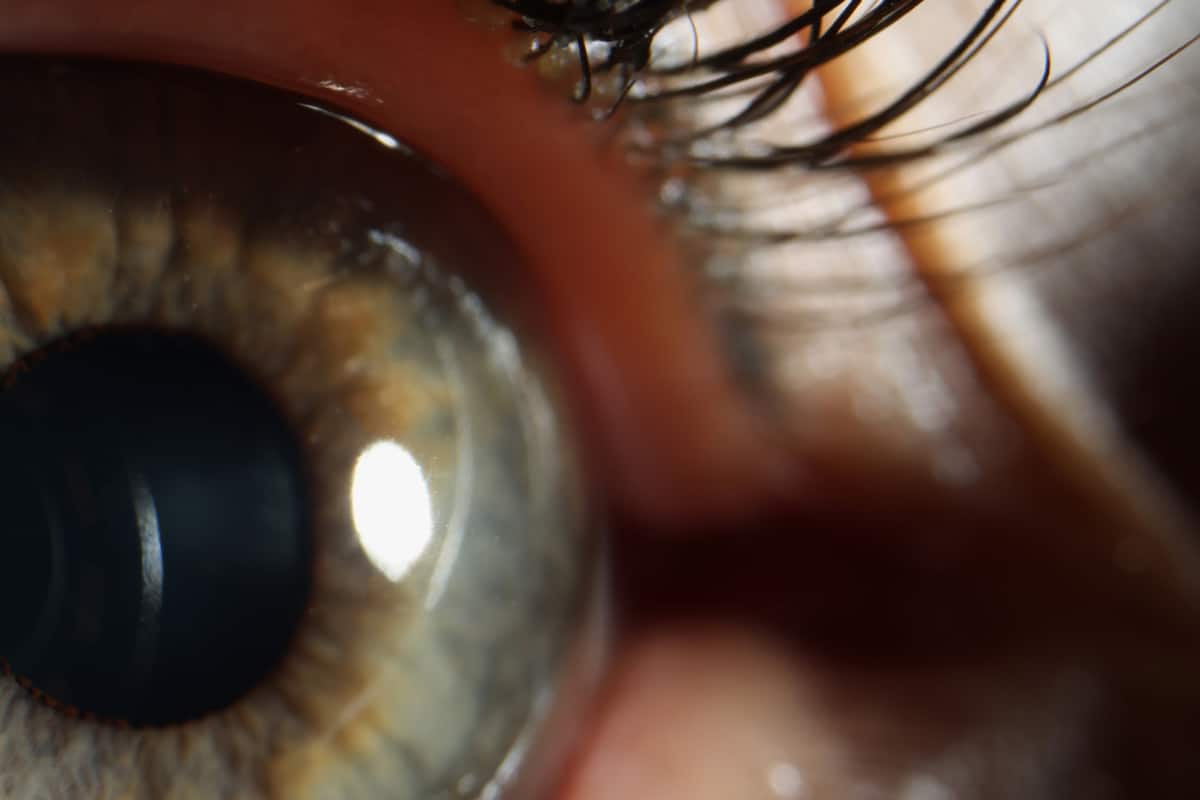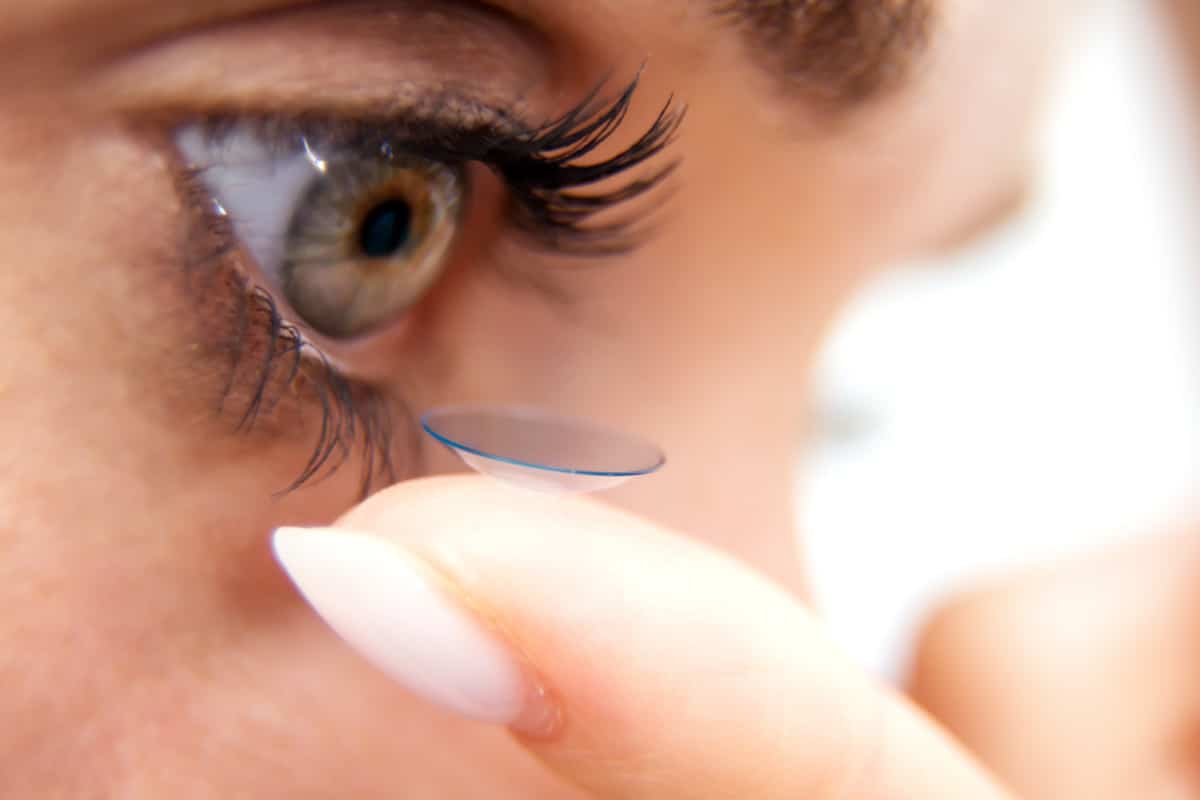

Laser eye surgery has opened the door to long-term vision correction for millions of people. If you’re exploring your options, LASIK is likely one of the first procedures you’ll encounter. It’s been trusted for years, but it is not the only method available. SMILE is a newer alternative that offers a different approach. Understanding how these two procedures compare can help you determine which matches your eyes, lifestyle, and vision goals better.
What Is LASIK?
LASIK (Laser-Assisted In Situ Keratomileusis) works by creating a thin flap in the cornea. A laser then reshapes the tissue underneath to correct vision. Once the reshaping is complete, the flap is placed back into position and heals on its own.
Key Benefits of LASIK
The LASIK procedure boasts several benefits:
- Fast recovery—many patients see improvement within 24 hours.
- Painless procedure with minimal downtime.
- Treats nearsightedness, farsightedness, and astigmatism.
Factors to Keep in Mind When Choosing LASIK
LASIK isn’t ideal for everyone. Factors that may influence candidacy include:
- Corneal Thickness
- Dry Eyes
- Underlying Health Conditions
- Age and Stable Vision
Each potential candidate should thoroughly consult an eye care professional to assess their unique situation and determine if LASIK is the right choice for them. LASIK can transform lives by significantly improving eyesight, but informed decision-making is key.
What Is SMILE?
SMILE (Small Incision Lenticule Extraction) is a flapless laser surgery. It uses a femtosecond laser to create a small disc-shaped section (lenticule) within the cornea, which is then removed through a tiny incision to reshape the cornea.
Why Patients Choose SMILE
Individuals considering vision correction alternative options for LASIK often find SMILE to be an appealing option for several reasons:
- Less invasive with no corneal flap.
- Lower chance of flap-related complications.
- Often results in fewer dry eye symptoms after surgery.
Ideal Candidates
SMILE is FDA-approved for treating myopia and mild astigmatism. However, it’s not yet suitable for hyperopia (farsightedness) or high levels of astigmatism.
As with any surgical procedure, discussing the potential benefits and risks with a qualified ophthalmologist is essential to making an informed decision. A comprehensive assessment of overall eye health and specific refractive errors is also necessary to determine suitability for the procedure.
LASIK vs. SMILE: Key Differences
LASIK and SMILE are two prominent options for individuals considering laser vision correction. Both promise clear vision without glasses or contacts. While both are highly effective, they employ distinct techniques and have different implications, which are crucial for making an informed decision.
1. Technique
- LASIK uses two lasers and requires creating a flap.
- SMILE uses one laser and a small incision.
2. Recovery
- LASIK offers quicker visual recovery.
- SMILE may take longer to achieve peak vision clarity, but it causes less corneal disruption.
3. Dry Eye Risk
- LASIK may increase dryness temporarily.
- SMILE often leads to less nerve disruption and fewer dry eye issues.
4. Treatment Range
- LASIK treats a broader range of prescriptions.
- SMILE is currently more limited but expanding as research continues.
Your choice between LASIK and SMILE depends on your prescription, corneal health, lifestyle, and individual preferences regarding recovery and potential side effects. A comprehensive eye consultation with an experienced eye surgeon is essential to determine which procedure is best suited for you.
5. Considerations for Patients
Deciding between LASIK and SMILE is a highly personal choice. Beyond the technical differences, several factors are crucial in determining which procedure best fits your unique eyes and lifestyle.
- Corneal thickness: SMILE is better for thinner corneas.
- Activity level: Athletes or those in high-contact sports may prefer SMILE.
- Dry eyes: SMILE might be more comfortable if you struggle with dryness.
- Prescription type: LASIK remains the better option for higher or more complex prescriptions.
Engaging in an open conversation with your eye care professional will empower you to make informed choices that reflect your vision goals and vibrant lifestyle.
Explore Your Best Vision Correction Option Today
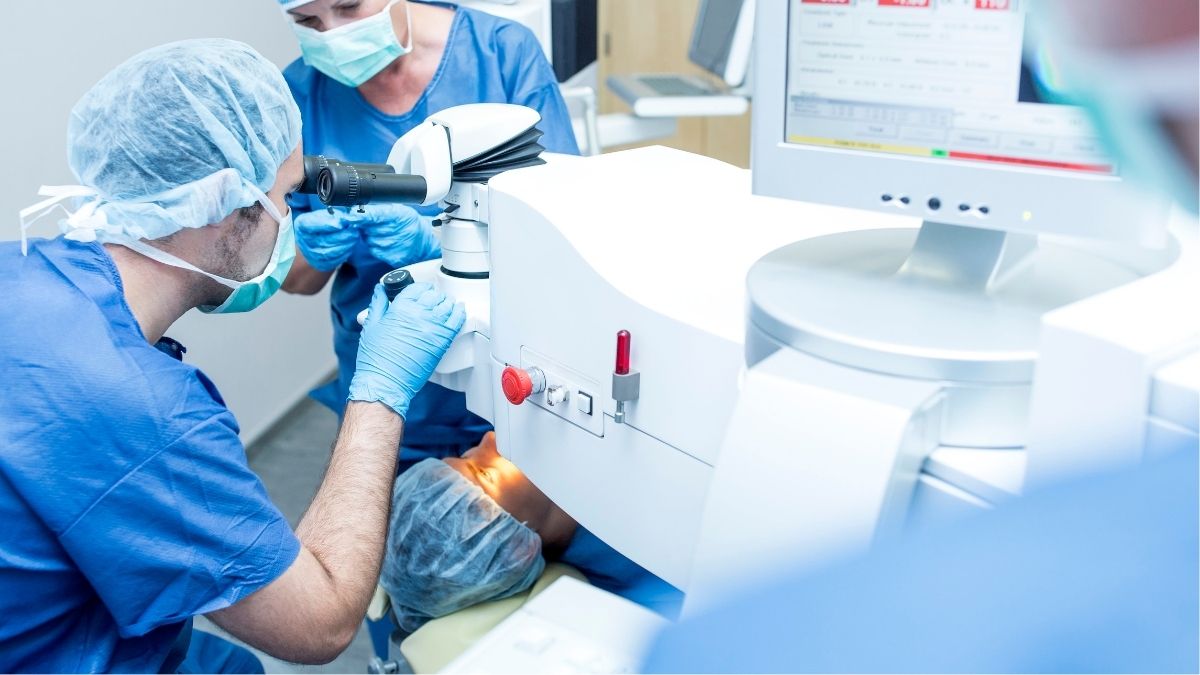
A comprehensive exam is the best way to determine which surgery is right for you. Your doctor will assess your eye health, vision stability, and other factors to help you make a confident choice. Ready to take the next step toward clearer vision? Contact Art of Optiks today and get a personalized expert assessment for your eyes.