

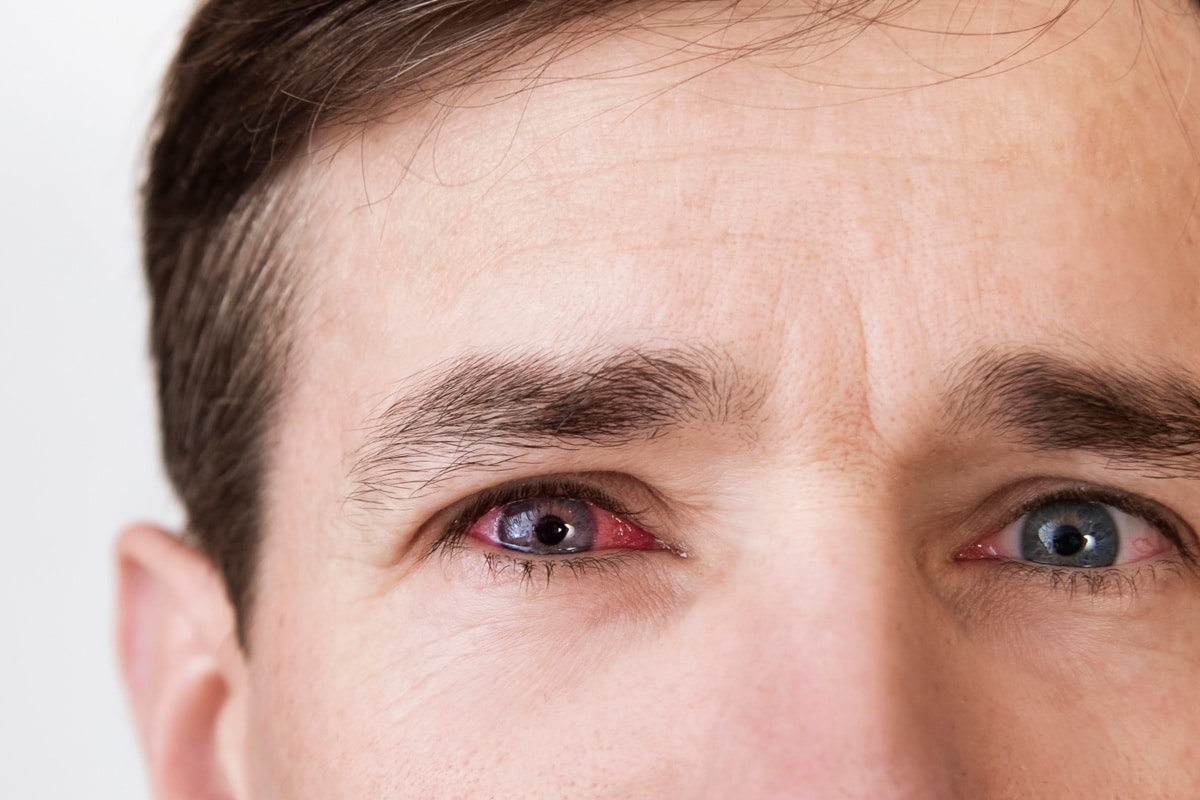
Pink eye can develop from a viral infection, bacteria, or an allergic reaction. The cause determines whether it spreads to others and which treatment is appropriate. Autumn brings two of those causes together, with school routines putting children in close contact and seasonal allergens producing similar redness. Conjunctivitis itself occurs year-round.
A crusted eyelid before school or an irritated eye during the workday leaves you with practical questions: Is it contagious? Will drops help? Our doctors at Art of Optiks evaluate eye conditions, including conjunctivitis, and recommend care based on the findings.
Understanding the Three Main Types of Pink Eye
Conjunctivitis is inflammation of the thin tissue covering the white of the eye and lining the eyelids. Comparing viral, bacterial, and allergic pink eye gives useful clues, but the symptoms overlap. Discharge, itching, or redness alone cannot establish the cause, which is what an eye exam for redness and irritation in Edinais is for.
Viral Pink Eye
Adenoviruses are a common cause of viral conjunctivitis, which sometimes accompanies a cold or another respiratory infection. Discharge is usually watery. Symptoms often begin in one eye and spread to the other within days.
Viral pink eye is contagious. Burning or a gritty sensation can also occur, although other causes of burning eyes, including dryness, require a different approach to care.
Bacterial Pink Eye
Bacterial conjunctivitis often produces thicker discharge that makes the eyelids stick together, particularly after sleep. Discharge may appear yellow or green, but its color does not confirm a bacterial infection.
This form is also contagious, and an examination is what separates it from the viral kind.
Allergic Pink Eye
Intense itching, tearing, and irritation affecting both eyes commonly occur with allergic conjunctivitis. Sneezing or an itchy nose may accompany the eye symptoms. Pollen, dust mites, and animal dander are possible triggers.
Allergic pink eye is not contagious. For people whose symptoms return during autumn, relief for fall eye allergy symptoms involves addressing exposure and choosing treatment suited to the allergic reaction.
How Does Pink Eye Spread?
Infectious pink eye spreads when germs reach another person’s eyes. Someone might wipe an infected eye, touch a shared object, and leave germs behind. Another person can then pick them up and touch their own eyes. Contaminated towels, makeup, and eye-care items provide additional routes of exposure.
Some infections also spread through respiratory droplets. Close contact at home, school, or daycare creates the most opportunities for transmission, which is why one case in a classroom often becomes several.
When Can You Return to School or Work?
There is no single countdown that applies to every case. Starting antibiotic drops does not establish a universal point at which someone stops being contagious. Antibiotics also do not change the course of a viral infection.
Return decisions depend on the illness, other symptoms, and the amount of close contact involved. The CDC’s test for returning to school or work is symptoms: stay home while they persist, and return once fever and other symptoms have cleared, with your doctor’s approval. Jobs and schools built around close contact warrant more caution.
For parents unsure about a child’s symptoms, our pediatric eye care for ages birth through eighteen can separate an infection from an allergy. Follow your clinician’s advice and your school or workplace policy, not a 24-hour rule.
Habits That Help Limit the Spread
Good hygiene reduces the chance of transferring infectious tears or discharge to another person. These habits are useful when caring for yourself or helping a child with pink eye:
- Wash hands with soap and water for at least 20 seconds, including before and after cleaning the eyes or applying medication.
- Avoid rubbing your eyes, and use clean materials to remove discharge.
- Keep towels, washcloths, makeup, and eye drops away from other household members’ supplies, and wash used linens in hot water with detergent.
- Stop wearing contact lenses during symptoms. Discard disposable lenses and cases used while the eyes were infected.
- Clean reusable lens products as directed by your eye doctor, and ask when lens wear can resume.
Keep these habits going for as long as symptoms last, not just the first day or two. Good hygiene protects the people around you, but it will not shorten the infection itself.
Treatment Depends on the Cause
Using the wrong drops can leave the underlying problem untreated. Conjunctivitis is one of the conditions we watch for under ocular disease detection and management, alongside blepharitis and dry eye, which produce their own version of a red eye. Medication choices depend on the diagnosis and individual risk factors.
Comfort Measures for Irritated Eyes
A clean, cool compress over closed eyelids eases irritation, and artificial tears help with dryness. Neither one treats an infection or identifies what started it.
Frequent use of an unsuitable product can add to the discomfort. Mistakes associated with overusing eye drops include treating different eye problems as though the same bottle will solve them.
How Long It Lasts, and When Antibiotics Help
Antibiotics do not treat viral pink eye. Most viral cases are mild and clear in seven to fourteen days on their own. Mild bacterial cases can settle in two to five days, with full recovery taking up to two weeks, and a clinician may prescribe antibiotic drops or ointment when indicated.
Those timelines come from the CDC’s pink eye treatment guidance, which also notes that antivirals are reserved for serious viral forms such as herpes simplex. Avoid using someone else’s prescription or leftover medication from a previous episode.
Relief for Allergy-Related Symptoms
Reducing exposure to the triggering allergen helps with allergic conjunctivitis. Antihistamine eye drops and other allergy medications also provide relief when appropriate.
Your eye doctor can match a product to your symptoms and any other eye conditions. Redness that persists is not an allergy just because it started during pollen season.
When Do Pink Eye Symptoms Need Prompt Evaluation?
Some symptoms require more than routine home care. The CDC lists these as reasons to contact a healthcare provider promptly:
- Eye pain or pronounced sensitivity to light.
- Blurred vision that remains after discharge is wiped away.
- Intense redness or symptoms that worsen or fail to improve.
- Bacterial pink eye that has not improved after 24 hours of prescribed antibiotics.
- Any pink eye symptoms in a newborn.
Contact lens wearers with red or painful eyes also need prompt assessment, because a corneal infection may be involved. Sudden vision loss or severe pain is a different category: those belong on the list of eye symptoms that should not wait for an appointment.
Get the Right Care for Red, Irritated Eyes at Art of Optiks
The useful first step is identifying the cause, rather than working through several bottles of drops. Your recent illness, allergy history, contact lens use, and how the symptoms have progressed all inform that assessment.
Contact our Edina or Wayzata office to describe your symptoms and arrange care. Tell us about pain, light sensitivity, discharge, or vision changes when you call, so we can advise you on the next step.