

Every September, the itchy, watery eyes start arriving in our exam rooms. Ragweed along local trails and mold around damp leaves are common seasonal triggers, while dry indoor air may make eye allergies feel even more uncomfortable.
Reducing allergen exposure, using the right type of eye drops, and adjusting contact lens habits can help ease symptoms. However, redness and irritation can also come from dry eye or infection, so persistent discomfort, pain, or vision changes deserve professional evaluation.
What Triggers Fall Eye Allergies in Minnesota?
Ragweed is the most common fall allergen in the Midwest. According to the American College of Allergy, Asthma & Immunology, it blooms from August into November, with pollen levels highest in early to mid-September. The first hard frost ends the season. In the Twin Cities, that normally arrives in the first ten days of October, a little earlier in the western suburbs than at the airport, and the date swings by two or three weeks from year to year. Practically speaking, if your symptoms are still going strong in late October, ragweed is probably not what is causing them.
Indoor heating does not cause an allergic reaction, but heated air often has less humidity. This dryness may intensify burning, grittiness, and contact lens discomfort, especially when an allergy and dry eye occur at the same time.
Allergy, Dry Eye, or Pink Eye? Similar Symptoms Need Different Care
Redness and watering alone cannot always identify the cause of an irritated eye. Looking at the full symptom pattern can provide useful clues, but an eye exam may be necessary when the symptoms overlap.
Signs That Fit an Allergic Reaction
Prominent itching is one of the strongest clues that an allergy may be involved. Other eye allergy symptoms can include redness, excessive tearing, puffy eyelids, and discomfort that affects both eyes. Sneezing, nasal congestion, or a runny nose may occur at the same time.
Symptoms often become more noticeable after mowing, raking, walking through areas with high pollen levels, or spending time around damp vegetation. Rubbing the eyes can worsen the irritation and may introduce additional debris or bacteria.
Clues That Dryness May Be Involved
Dry eye commonly causes burning, grittiness, intermittent blurred vision, or a feeling that something is stuck in the eye. Symptoms may become worse during screen use, in heated rooms, or while wearing contact lenses.
Allergy and dry eye can coexist, making self-treatment more difficult. Our overview of the common causes of burning eyes explains why similar discomfort can require different forms of care.
When Redness May Need Prompt Evaluation
Thick discharge, eyelids that stick together, significant pain, marked light sensitivity, or symptoms that begin mainly in one eye may point to something other than a seasonal allergy. An injury, sudden vision change, or foreign object also requires timely attention.
Red eyes can mean anything from a late night to glaucoma, iritis, or a corneal ulcer. Our post on when to be concerned about red eyes covers the causes and how they are distinguished.
Four Practical Ways to Find Eye Allergy Relief
The most appropriate treatment depends on the cause, symptom severity, contact lens use, and other eye conditions. A product that helps one person may not be suitable for another, particularly when dry eye is also present.
1. Choose Eye Drops With Professional Guidance
Lubricating artificial tears rinse allergens off the ocular surface and add moisture, and they are the safest thing to reach for first. If you find yourself using them four or more times a day, switch to a preservative-free formulation, since the preservatives in standard bottles start to irritate the surface at that frequency. Antihistamine and dual-action drops work differently: they treat the itch rather than washing the trigger away. Which one suits you depends on your other eye conditions and your contact lens wear, so ask your optometrist or pharmacist before committing to a bottle.
Avoid relying on redness-relief drops for frequent or prolonged use unless a clinician recommends them. Steroid and antibiotic drops should also be used only under professional direction. Check the packaging before using any product, and review why expired eye drops should not be used.
2. Use a Clean, Cold Compress
A clean, cool compress over closed eyelids brings down itching and puffiness. The relief is temporary, but it arrives fast and costs nothing.
Use a fresh cloth every time, and keep your hands off your eyes afterward, since rubbing undoes the benefit within seconds. Do not rinse with tap water or mix your own flushing solution. Tap water is not sterile, and it is a recognized route to serious corneal infection in contact lens wearers.
3. Adjust Contact Lens Wear During Flares
Pollen collects on contact lenses and stays there, held against the eye for as long as the lens is in. Follow the prescribed replacement schedule, clean reusable lenses exactly as directed, and wash and dry your hands before handling them.
The most effective advice here is also the least popular: put the lenses away and wear glasses for a few weeks while the flare passes. Patients resist this more than anything else we suggest, and it works more reliably than anything else we suggest. If glasses are not realistic for your work or your sport, daily disposables are the compromise, giving you a clean lens surface every morning with no accumulated pollen, at a higher ongoing cost than reusables. If the problem returns every autumn, a change in lens material or fit is worth discussing.
4. Address Coexisting Dry Eye
Persistent burning, grittiness, fluctuating vision, or contact lens intolerance may justify a dry-eye assessment. During one of our comprehensive eye exams, we can evaluate the ocular surface and look for factors contributing to ongoing irritation.
In-office dry-eye therapies may be considered when an examination identifies tear-film instability or meibomian gland dysfunction. Treatments intended for dry eye, including heat-based therapies, do not treat the underlying allergy itself.
Reduce Pollen Exposure During Minnesota Fall Activities
Small changes can reduce the amount of pollen and debris reaching your eyes. Consider these habits during trail walks, yardwork, sporting events, or afternoons around Lake Minnetonka:
- Timing helps most: Ragweed pollen runs highest in the morning, so move yard work, and trail walks to the afternoon when you can, and check the day’s count before you head out.
- Wraparound sunglasses are the next most useful step: Coverage and fit matter far more than the frame or the brand. They will not stop every airborne particle, but they keep a good share of it off the surface of the eye, and they block UV while they are at it.
- The rest is housekeeping: Keep windows shut at home and in the car on high-pollen days. Shower and change after a long stretch outdoors, since pollen rides indoors on hair and clothing. Clean your glasses the way the manufacturer specifies, not with your shirt.
None of these treats an allergy. It lowers the dose reaching your eyes, which is what makes the drops and the cold compress work better, but if you are doing all of it and still miserable in late October, something other than ragweed is probably involved.
When Should an Eye Doctor Evaluate Your Symptoms?
Schedule an evaluation when symptoms keep returning, do not improve with reasonable home care, interfere with contact lens wear, or remain difficult to distinguish from dry eye or infection. A professional examination can identify the likely cause and guide a treatment plan based on your eyes, medications, and daily routine.
Seek prompt care for severe pain, pronounced light sensitivity, an eye injury, a foreign object, sudden vision changes, or new flashes and floaters. Art of Optiks provides urgent eye care services for eye concerns that require timely clinical attention. Call 911 or visit an emergency department for a life-threatening emergency.
Find the Right Relief at Art of Optiks
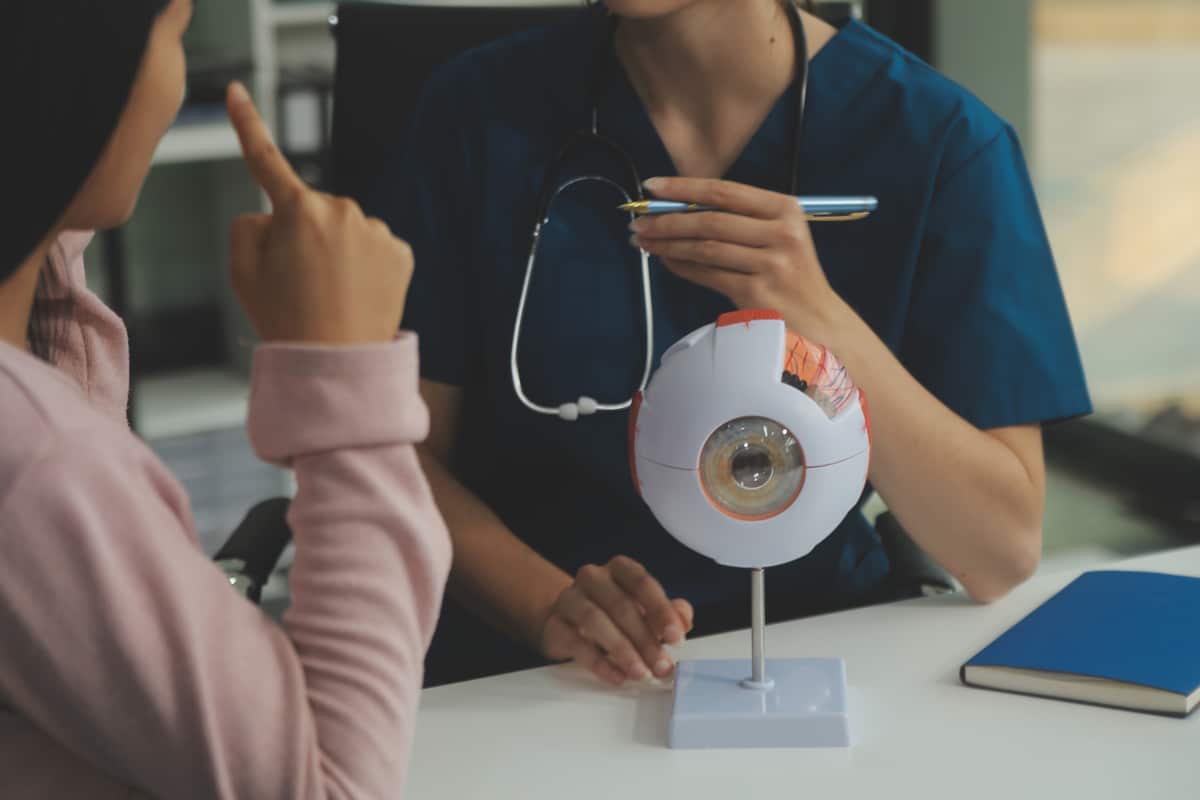
Itching and watering may fit a seasonal allergic reaction, but burning, discharge, pain, and changes in vision can indicate a different concern. Identifying whether allergy, dryness, infection, or another condition is involved helps prevent ineffective treatment and supports more consistent relief.
Our doctors can evaluate your symptoms, review your contact lens and eye drop use, and recommend care based on what they find. Book an appointment at our Edina or Wayzata clinic for personalized guidance on managing fall eye allergies.