

Some people want a clearer vision without committing to surgery or wearing glasses all day. Others are looking for a better solution for their child’s worsening nearsightedness. In both cases, corneal refractive therapy has become a trusted option.
This treatment is not for everyone, but for the right person, it can offer noticeable benefits. Knowing who qualifies and why it works well for specific lifestyles and vision needs can help you make a more informed choice.
What Is Corneal Refractive Therapy?
Corneal refractive therapy involves wearing rigid gas-permeable lenses at night that gently reshape your cornea while you sleep. This temporary reshaping corrects refractive errors like nearsightedness and mild astigmatism. The result is clearer daytime vision without needing glasses or regular contact lenses.
CRT is FDA-approved, safe for overnight wear, and completely reversible. It’s especially popular among people who want a non-permanent solution for vision correction, making its advantages a significant part of the pros and cons of CRT discussion.
How Does It Work?
Precision Through Personalization
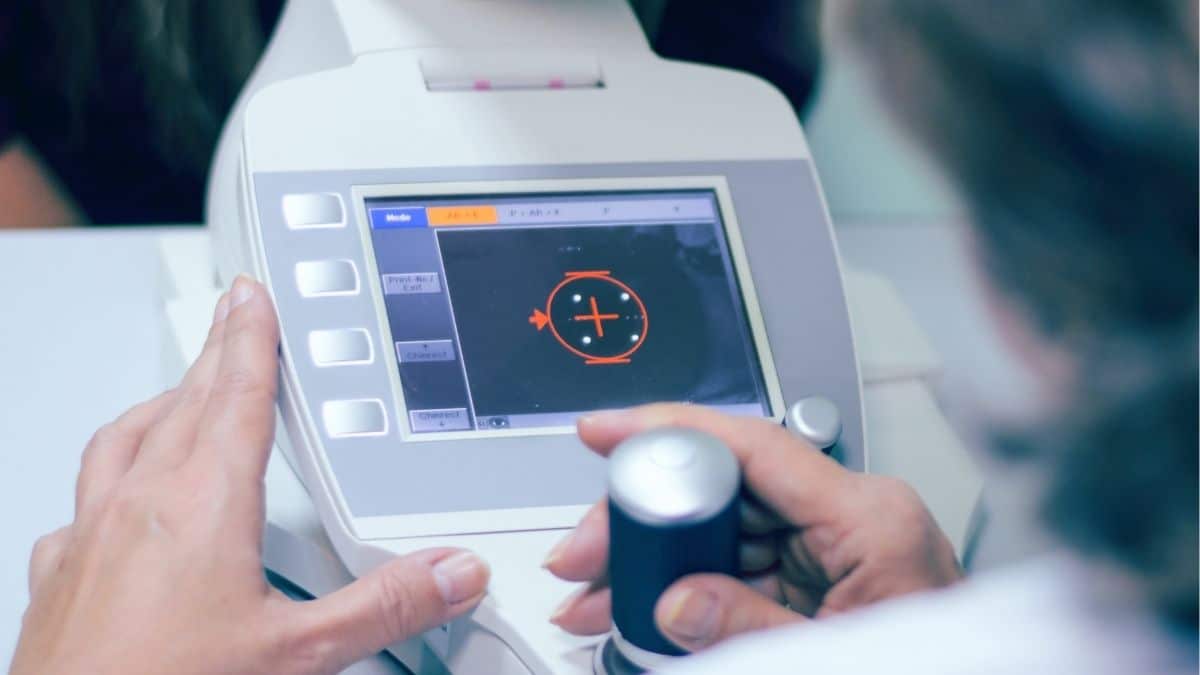
The first step in corneal refractive therapy is creating a custom map of your eye using topography imaging. This allows your optometrist to design lenses specifically for your corneal shape. Once fitted, these lenses work overnight to flatten the cornea in a controlled, gentle way.
What to Expect
Most users begin to see results within the first few nights. As the cornea adjusts, daytime vision improves and stabilizes. The lenses must be worn every night to maintain these results, as the cornea will eventually return to its original shape.
Who Is a Good Candidate for CRT?
Children with Myopia Progression
One of the most powerful applications of corneal refractive therapy is in controlling the progression of childhood myopia. Studies show that CRT lenses can slow or even halt the worsening of nearsightedness in kids and teens.
Benefits for children include:
- No need for glasses during school or sports
- Reduced long-term vision risk
- Safe, non-surgical method for myopia control
Active Adults
Adults who work in demanding environments or live active lifestyles often find daytime glasses or soft lenses inconvenient. This makes them a good candidate for CRT, as this option offers the freedom to move, work, and play without daytime eyewear.
Ideal for:
- Athletes
- Outdoor workers
- Individuals in dusty or dry environments
Those Unsuitable for LASIK
Not everyone qualifies for LASIK due to age, thin corneas, or medical conditions. Others may simply prefer a reversible option. This is where Corneal Refractive Therapy vs. LASIK becomes a key consideration, as CRT offers the benefits of clearer vision without surgery or recovery time.
What Vision Issues Can CRT Correct?
Corneal refractive therapy is effective for:
- Mild to moderate nearsightedness
- Low levels of astigmatism
It’s not recommended for farsightedness or severe prescriptions, but many people within the approved range achieve excellent results.
Is CRT Right for You?
If you’re seeking a non-surgical option for vision correction, CRT may be worth considering. It’s especially useful for kids with worsening myopia, adults with dry eyes from soft lenses, or anyone looking for glasses-free freedom during the day. Talk to your optometrist to see if you’re a good candidate. The process begins with a thorough eye exam and corneal mapping to design your personalized CRT lenses. To learn if corneal refractive therapy is right for you or your child, contact Art of Optiks today.