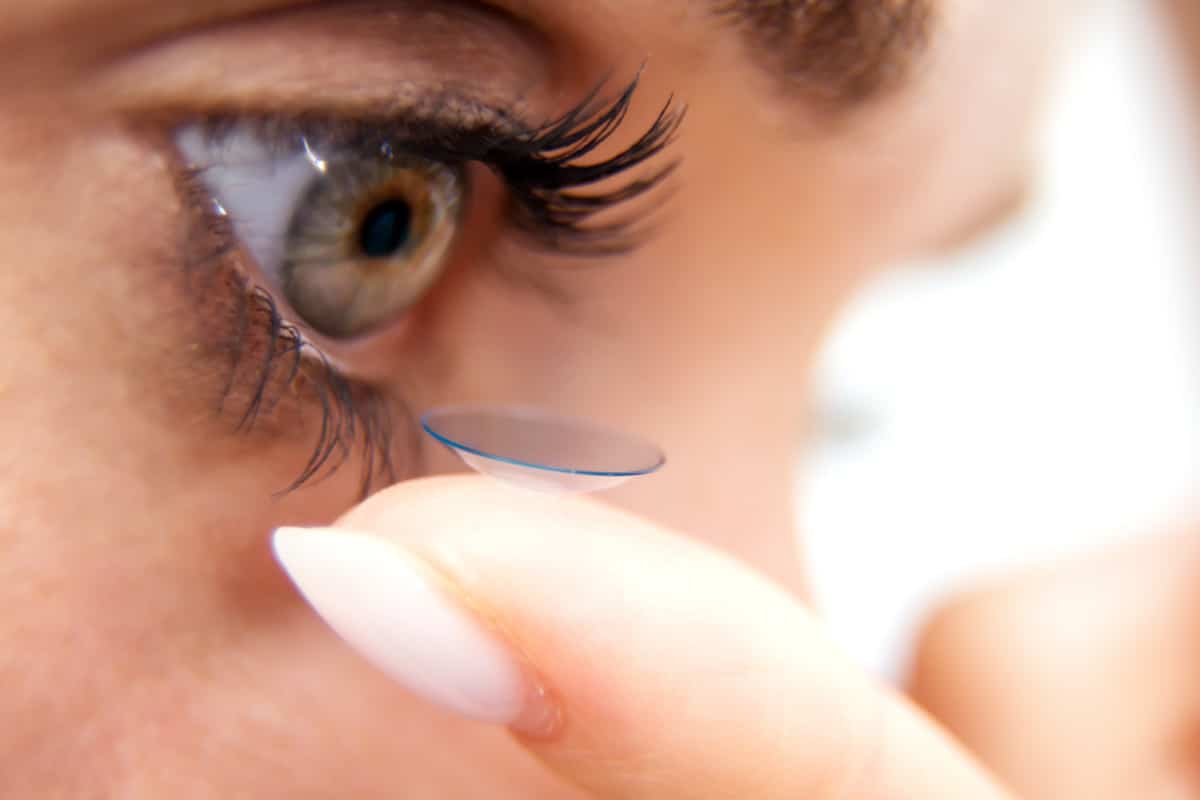

Many people are familiar with soft contacts, but fewer know when hard contact lenses might be the better option. These lenses offer sharper vision and long-term durability, especially for those with complex prescriptions or corneal conditions. While they take more time to adjust, the payoff can be worth it. Comparing soft and hard lenses side by side can help you figure out what’s best for your eyes, comfort, and daily routine.
Understanding the Basics
The array of options available can make the journey of contact lens wear seem daunting. If you think you’re ready to explore contact lenses, wait and check our guide to buying contact lenses first. We have broken down the basics to help you understand the main types so you can choose what’s right for your eyes and vision needs.
What Are Soft Contact Lenses?
Soft contact lenses are made from water-absorbing plastic materials like hydrogel or silicone hydrogel. These lenses are flexible and allow oxygen to pass through to the eyes, helping maintain comfort throughout the day.
Benefits include:
- Quick comfort for first-time users
- Flexible wear schedules (daily, biweekly, or monthly)
- Great for people with active or unpredictable routines
What Are Hard Contact Lenses?
Hard contact lenses, also called rigid gas permeable (RGP) lenses, are made from firm plastics that hold their shape on the eye. Though less common than soft lenses, they’re often used for more complex prescriptions or corneal irregularities.
Why consider hard contact lenses?
- Clear, sharp vision
- Long-lasting with proper care
- Help retain corneal shape over time
Comfort: Immediate vs. Long-Term
Soft Lenses Offer Instant Comfort
Soft lenses are known for their quick adaptation. Since they contour easily to your eye, most people feel comfortable wearing them almost immediately. This makes them ideal for beginners or those with sensitive eyes.
Hard Contact Lenses Require Adjustment
Hard contact lenses take longer to get used to. Early discomfort is normal, but this fades with regular use. After the adjustment period, many users reported excellent comfort in all-day wear.
To effectively manage contact lens discomfort during this transition, eye care providers often recommend gradually increasing your wear time each day.
Durability and Maintenance
Soft Lenses: Disposable and Convenient
Soft lenses are typically designed for short-term use. While convenient, this means regular replacement and strict hygiene practices are essential to avoid eye infections or irritation.
Hard Contact Lenses: Long-Lasting with Proper Care
Hard lenses can last a year or more, making them more cost-effective over time. However, they demand careful night cleaning and storage to maintain clarity and safety.
Vision Quality and Eye Health
Sharper Vision with Hard Lenses
Because they hold their shape, hard contact lenses often provide better visual clarity—especially for those with astigmatism or keratoconus. Soft lenses tend to shift slightly on the eye, which can affect sharpness.
Both Offer Oxygen Flow
Modern soft lenses (especially those made with silicone hydrogel) allow oxygen to reach your corneas effectively. Hard contact lenses don’t contain water but use oxygen-permeable materials and tear exchange to keep eyes healthy.
When Are Hard Contact Lenses the Right Choice?
Hard Contact Lenses May Be Best If:
- You have astigmatism or corneal irregularities
- You want the sharpest vision correction possible
- You’re willing to clean and store them carefully
- You need a long-lasting lens solution
Although they require more upkeep, hard contact lenses offer unmatched clarity and durability for the right wearer. They might be worth exploring if you experience discomfort with soft lenses or have complex vision needs. If hard lenses are a good fit, schedule a contact lens fitting with your optometrist to discuss this option.
Ready to Choose? Get a Professional Contact Lens Fitting

Deciding between soft and hard contact lenses depends on your vision condition, comfort preferences, and daily habits. Soft lenses offer flexibility and ease of use, while hard contact lenses provide precise vision correction and long-term value.
If you’re still unsure, contact Art of Optiks today to schedule a comprehensive contact lens fitting. We’ll help you find the best match for your eyes and ensure your lenses work seamlessly with your lifestyle.