

Many patients use the terms “corrective lenses” and “eyeglasses” interchangeably, which often leads to confusion. While they are closely related, they are not the same thing. Understanding the difference matters when choosing vision correction that is accurate, comfortable, and appropriate for long-term eye health.
At Art of Optiks, we help Minnesota patients understand how prescriptions, lenses, and eyewear work together. That guidance starts with a comprehensive eye exam and continues through lens selection, fitting, and follow-up care.
What Are Corrective Lenses?
Corrective lenses are medical optical devices designed to improve how light focuses inside the eye. They are prescribed based on precise clinical measurements and are customized to address specific vision needs. Because vision is dynamic, lenses must be matched not only to refractive error but also to daily visual demands. This is why professional evaluation and customization are essential for consistent results.
How Corrective Lenses Work
Corrective lenses bend light as it enters the eye, helping it focus properly on the retina. This improves clarity for people with nearsightedness, farsightedness, astigmatism, or age-related vision changes.
Why Corrective Lenses Require a Prescription
Corrective lenses are not interchangeable with over-the-counter readers. Prescriptions account for lens power, orientation, balance between eyes, and visual coordination. Even small inaccuracies can lead to eye strain, headaches, or blurred vision. A prescription ensures the lenses are tailored to your eyes rather than generalized for convenience. This level of precision supports comfort and visual efficiency over long periods of use.
Common Vision Problems Corrective Lenses Address
Corrective lenses are commonly used to manage nearsightedness, farsightedness, astigmatism, and age-related focusing changes. They can also reduce visual fatigue caused by prolonged near work or screen use, especially as screen time becomes a daily norm. The American Optometric Association reports that over 104 million working-age Americans spend more than seven hours per day viewing digital screens, which can contribute to eye strain symptoms.
Corrective Lenses vs. Eyeglasses: Is There a Difference?
This is one of the most common questions patients ask. The short answer is yes, but the difference is about components, not competing options. Remember, corrective lenses and eyeglasses are related, but they are not the same thing.
Lenses vs. Frames: Different Roles, Same System
Corrective lenses are the optical prescription that corrects vision. Eyeglasses are the complete system that includes lenses and frames working together. Lenses correct vision, while frames position those lenses correctly in front of the eyes.
You cannot have functional eyeglasses without lenses, but lenses alone cannot deliver clear vision without proper support. Both elements are necessary for accurate correction.
How Fit and Alignment Affect Vision Quality
Even with the correct prescription, improper fit can reduce visual clarity. Frame size, bridge placement, and lens height determine how light enters the eye. Poor alignment can distort vision or cause discomfort.
Professional adjustments ensure lenses sit at the correct angle and distance from the eyes. This alignment is critical for consistent performance, especially with more complex prescriptions.
Why Eyeglasses Matter Even With the Same Lenses
Two patients with identical lens prescriptions can have very different experiences depending on frame selection and fit. Weight distribution, stability, and positioning all affect comfort. Eyeglasses are not just accessories; they are functional medical devices that support lens accuracy.
Three Types of Corrective Lenses
Corrective lenses are designed in a variety of forms to support different vision needs. Selecting the right type requires understanding how you use your eyes throughout the day.
1. Single Vision and Multifocal Lenses
Single vision lenses correct one viewing distance, such as near or far. Multifocal lenses address multiple distances within one lens, supporting smooth transitions between tasks. The right choice depends on age, occupation, and daily routines. These designs require careful measurements to ensure clarity across all focal zones. Proper fitting is especially important to avoid adaptation issues.
2. Lenses for Astigmatism and Presbyopia
Astigmatism requires lenses with precise orientation to correct uneven curvature in the eye. Presbyopia, which affects near focus with age, often requires progressive or bifocal designs. Both conditions demand exact alignment for comfortable vision. Customization ensures the lenses work with natural eye movements rather than against them. This improves ease of use and reduces fatigue.
3. Specialty Lenses for Digital Use or Eye Conditions
Some lenses are designed for specific visual tasks, such as extended screen use or detailed close work. These lenses support visual comfort during demanding activities. Selection is based on exam findings and lifestyle needs rather than trends.
The Prescription Process for Corrective Lenses
The accuracy of corrective lenses depends on a thorough evaluation and careful customization. So, what happens during a comprehensive eye exam?
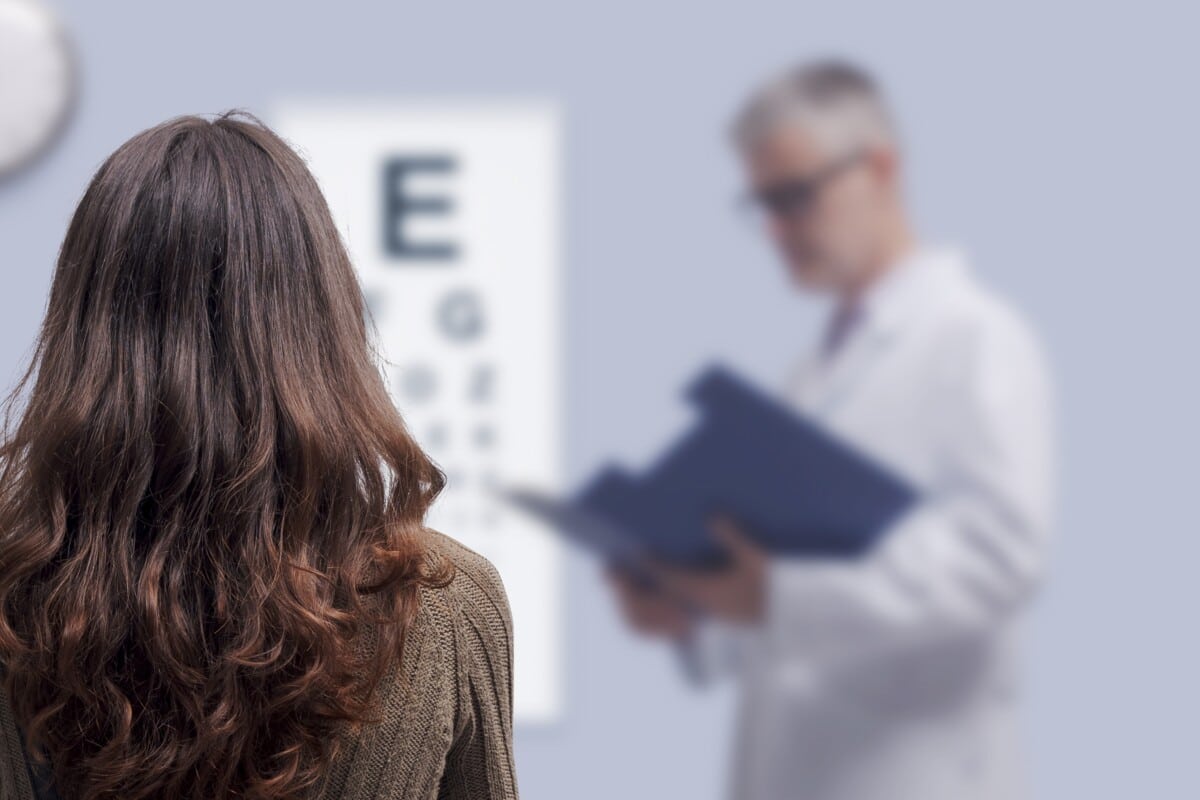
A comprehensive eye exam evaluates vision clarity, focusing ability, eye coordination, and overall eye health. These findings determine whether corrective lenses are needed and what design will perform best. Exams also identify changes that may affect future prescriptions. This process goes beyond reading letters on a chart. It assesses how your eyes function in real-world conditions.
How Lens Prescriptions Are Measured and Verified
Prescriptions are measured using a combination of digital instruments and clinical testing. Verification ensures lenses match the prescribed values and are positioned correctly in the frame. This step helps prevent discomfort or adaptation problems. Ongoing verification is especially important when prescriptions change or when switching lens designs.
Why Prescription Accuracy Changes Over Time
Vision can change due to age, health, or visual demands. Regular exams allow optometrists to adjust prescriptions as needed. Keeping prescriptions current supports comfort and long-term eye health.
Corrective Lenses for Children
Children’s vision needs differ significantly from adults, and early correction plays a key role in development. Children may need corrective lenses if they experience difficulty reading, focusing, or maintaining attention. Vision issues are not always obvious and may appear as learning or behavior concerns. Early evaluation helps identify problems before they interfere with development.
The Role of a Pediatric Eye Exam
A pediatric eye exam assesses how a child’s eyes track, focus, and work together. These exams detect issues that basic screenings may miss. Early detection allows for timely correction and better outcomes.
Properly prescribed lenses reduce visual strain and support classroom performance. Comfort and durability are especially important for children, as poorly fitting eyewear can discourage consistent use.
How to Decide What’s Right for You
Choosing between lens options is not just about prescription strength. It involves comfort, function, and long-term eye health.
- Lifestyle and Daily Visual Demands: Work environment, screen time, hobbies, and driving habits all influence which corrective lenses and eyeglasses are most appropriate.
- Comfort, Function, and Long-Term Eye Health: Lens design, materials, and coatings affect how your eyes feel throughout the day. Proper fit reduces strain and improves overall satisfaction.
- When to Ask Your Optometrist for Guidance: If you experience headaches, blurred vision, or discomfort with your current eyewear, your optometrist can help determine whether adjustments to lenses, frames, or prescriptions are needed.
Make Informed Choices About Vision Correction With Art of Optiks
Corrective lenses and eyeglasses work together, but they are not the same thing. Corrective lenses provide the vision correction, while eyeglasses ensure those lenses are positioned correctly and worn comfortably. Both matter for clear, comfortable vision.
At Art of Optiks, we guide Minnesota patients to navigate every step, from comprehensive eye exams to personalized lens selection and fitting. Whether you are considering vision correction for yourself or scheduling a pediatric eye exam for your child, our focus remains on clarity, comfort, and long-term eye health. If you have questions about corrective lenses or eyewear options, contact Art of Optiks to schedule an exam and receive expert guidance tailored to your needs.