

When a child squints, rubs their eyes, or tilts their head to read, parents often assume they need new glasses. But sometimes, the issue isn’t sharpness of sight; it’s how the eyes work together. This condition, known as binocular vision dysfunction (BVD), occurs when both eyes fail to coordinate properly, resulting in blurred or double vision, headaches, and learning difficulties.
At Art of Optiks, we see how early detection can change a child’s comfort and confidence both in and out of school. Our pediatric optometrists use advanced diagnostic technology to evaluate how a child’s eyes track, focus, and align because vision involves more than 20 visual skills beyond simply “seeing 20/20.”
What Is Binocular Vision Dysfunction?
Binocular vision dysfunction (BVD) occurs when the eyes don’t align or coordinate correctly, forcing the brain to work harder to merge two slightly different images into one. In children, this can lead to eye strain, blurred or double vision, headaches, and difficulty with reading or sports.
BVD often appears as convergence insufficiency, exophoria, or vertical misalignment, where one eye subtly deviates. According to research in Review of Optometry, even mild misalignments can disrupt academic performance and cause fatigue that may appear as attention problems.
Why It Matters for Learning
Healthy binocular vision allows children to track words smoothly across a page, catch a ball accurately, and process visual information efficiently. When this coordination falters, children may struggle to maintain focus during near-work tasks, leading to frustration and avoidance.
Early Signs and Symptoms in Children
Recognizing the early signs of binocular vision dysfunction is crucial for timely care. Symptoms are often misattributed to ADHD, dyslexia, or lack of motivation.
How It Affects Daily Life
When a child’s eyes don’t align properly, even simple visual tasks can become tiring. Reading, copying from the board, or following moving objects in sports may require extra effort, leading to frustration and loss of focus. These children often appear distracted or unmotivated when, in reality, their eyes are working twice as hard to stay aligned. Over time, this strain can affect not only a child’s school performance but also their confidence and behavior.
Parents and teachers should watch for:
- Frequent eye rubbing or blinking
- Covering one eye or tilting the head to read
- Complaints of blurred or double vision
- Losing place while reading or skipping lines
- Headaches after homework
- Difficulty with coordination or catching objects
Studies from the Journal of Optometry and Vision Science show that up to 25% of school-aged children have BVD. Early intervention helps prevent these symptoms from affecting learning or self-esteem.
Concerned about your child’s reading or focus? If your child has double vision, frequent headaches, or avoids close work, schedule a pediatric evaluation with Art of Optiks. We specialize in diagnosing binocular vision dysfunction in children and can tailor treatment plans to provide lasting visual comfort and stability.
Diagnosis and Assessment Tests
Standard eye exams often miss binocular issues because they primarily check sharpness of vision, not teamwork between the eyes. A comprehensive vision assessment evaluates depth perception, alignment, focusing flexibility, and eye movement control.
Our pediatric optometrists perform:
- Cover tests for alignment deviations
- Near-point convergence testing for focusing ability
- Eye-tracking assessments to observe reading movement
- 3D depth perception evaluations
A 2023 PMC study emphasizes that early assessment helps distinguish BVD from other learning challenges, allowing for precise treatment planning
Evidence-Based Treatments and Interventions
Once diagnosed, treatment focuses on improving coordination and comfort rather than only correcting sharpness. Common options include:
- Corrective lenses with prism adjustments
- Customized vision therapy, improving tracking and convergence through guided exercises
- At-home reinforcement, such as near-to-far focus drills or reading balance tasks
- Lifestyle modifications, like limiting screen time and ensuring proper posture
Clinical reviews show that structured vision therapy produces measurable improvements in eye alignment and reading efficiency within 12 weeks of consistent practice.
When to Seek Help / Working With Professionals
If your child often complains of eye pain, double vision, or avoids close work, it’s time for a pediatric eye exam. BVD does not improve on its own, and untreated cases may hinder reading and learning progress.
Self-Care and Daily Support
Between therapy sessions, small lifestyle changes can make a big difference in visual comfort. Practicing good visual hygiene, like balancing screen use, improving lighting, and taking regular breaks, supports long-term progress from vision therapy. We guide our patients through easy, at-home habits that complement their in-clinic sessions and help maintain alignment throughout the day.
- Encourage regular screen breaks using the 20-20-20 rule (every 20 minutes, look 20 feet away for 20 seconds).
- Maintain a proper reading distance of about arm’s length from the page.
- Ensure balanced lighting and ergonomic posture for study time.
These habits ease strain but do not replace professional care. Regular follow-ups allow your child’s optometrist to adjust therapy goals, track improvements, and prevent regression. Coordinated care between home and clinic helps children develop better visual skills and feel comfortable in everything they do.
Prevention and Monitoring
Children’s visual systems evolve as they grow. Routine eye exams every 12 months, especially before school years, help catch minor issues before they worsen. Follow-up visits ensure vision therapy works and prescriptions are current. A 2025 MDPI review notes that continued monitoring significantly improves long-term visual outcomes and reduces regression in pediatric binocular conditions.
Trusted Pediatric Vision Care for Children with Binocular Vision Dysfunction
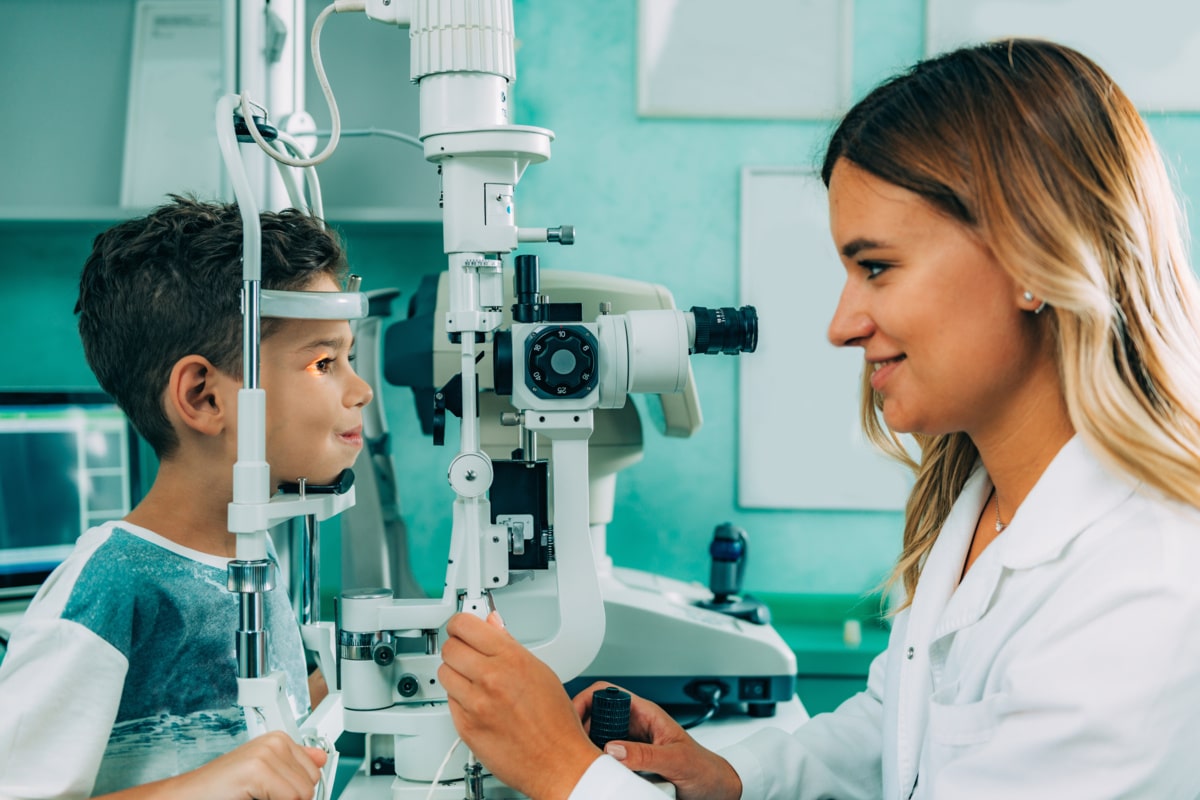
Early detection and treatment of binocular vision dysfunction in children can restore comfort, focus, and academic confidence. Our team at Art of Optiks combines advanced diagnostic technology with individualized therapy programs specifically designed for children.
If your child struggles with reading, experiences frequent headaches, or suffers from eye fatigue, contact Art of Optiks today. Our Minnesota-based optometrists specialize in pediatric eye care and vision therapy that helps children thrive in the classroom, on the field, and beyond.