

Pediatric Eye Care North Branch
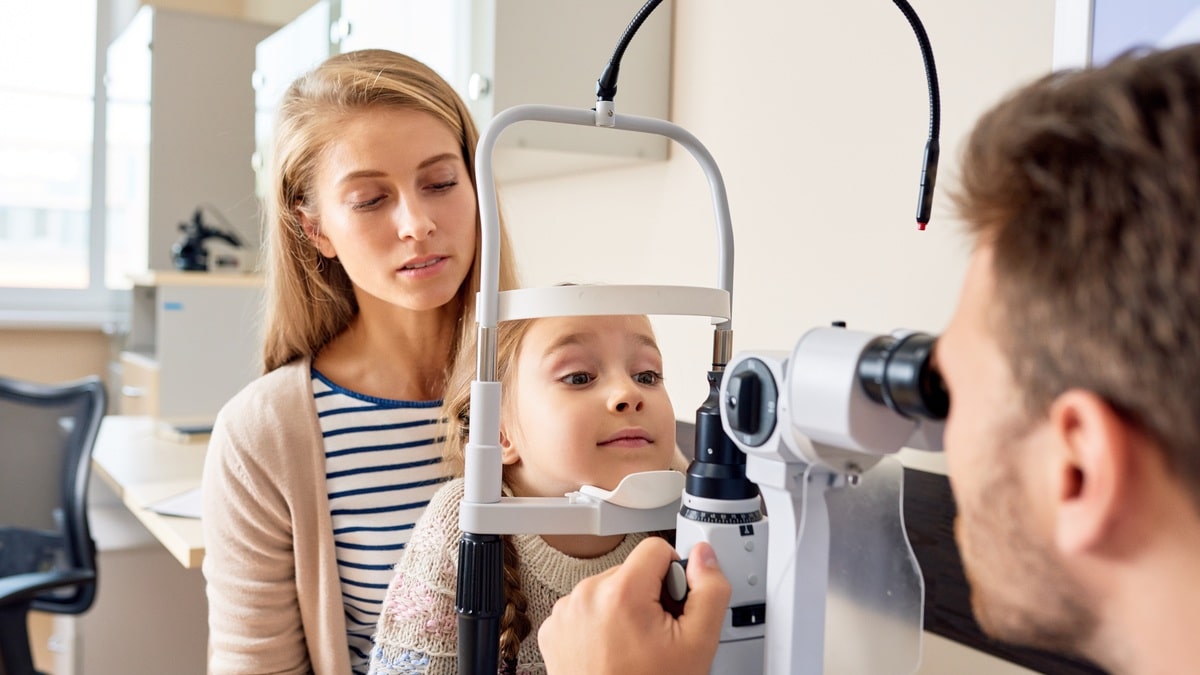
At our pediatric eye care center near North Branch, we understand how critical vision is to a child’s overall growth. Roughly 70% of a child’s sensory input comes from their eyes, making clear vision essential for learning, curiosity, and everyday experiences. Healthy eyesight allows children to interact confidently with their environment, engage in schoolwork, and enjoy playtime. Our mission is to provide comprehensive, age-appropriate eye care that supports your child’s development and fosters a lifelong habit of proper eye health.
Our team of skilled and compassionate doctors uses the latest technology and techniques to make exams both accurate and comfortable. We aim to create a welcoming, child-friendly environment where children feel at ease, helping them develop a positive attitude toward eye care. By turning eye exams into engaging experiences, we ensure children are relaxed and cooperative while we conduct thorough assessments.
Following the American Optometric Association (AOA) guidelines, we recommend comprehensive eye exams at key stages of a child’s early life. Initial exams should occur at six months, again around age three, before starting first grade, and then annually throughout childhood. Regular checkups allow us to detect vision problems, eye injuries, or diseases early, preventing potential developmental setbacks.
Our comprehensive exams cover essential aspects of eye health, including visual acuity, eye tracking, focusing skills, color vision, and binocular function. We also evaluate for conditions such as nearsightedness, farsightedness, amblyopia (lazy eye), crossed eyes, and other visual concerns that can affect learning and daily activities. By catching these issues early, we help children avoid academic challenges and protect their eyesight for the future.
Infant Eye Exams: Birth to 24 Months
Infants undergo rapid visual development during their first two years of life. Through the InfantSEE program, we provide free eye exams for infants aged 6 to 12 months, helping parents ensure their baby’s vision is developing as expected. During this stage, babies learn to focus, track objects, and coordinate their eyes, which is essential for motor skills like crawling, reaching, and eventually walking.
By six months, infants typically have basic color vision, depth perception, and the ability to focus. Our doctors use specialized assessments to evaluate these milestones and ensure healthy visual development. These exams provide insights into your baby’s overall well-being and help identify issues that could impact vision, coordination, or learning down the line.
Preschool Eye Exams:
Ages 2 to 5
During the preschool years, children’s vision continues to develop rapidly, supporting learning, play, and social interaction. Research indicates that roughly 5–10% of preschoolers have undiagnosed vision problems, which can affect fine motor skills, hand-eye coordination, and perceptual abilities. These skills are critical for activities like drawing, building, reading, and sports.
Parents should watch for signs of potential vision issues, including frequent eye rubbing, squinting, holding objects close, or avoiding visually demanding tasks. By identifying these concerns early, we can provide treatments that promote healthy visual development, ensuring children enter school with the visual skills needed to succeed academically and socially.
At our clinic, we create a playful and supportive environment for preschoolers, making exams interactive and stress-free. Children are more likely to cooperate when they feel comfortable, which allows our doctors to conduct thorough assessments and provide accurate diagnoses. Early intervention at this stage can prevent future academic or developmental challenges.
School-Age Eye Exams:
Ages 6 to 18
As children grow and academic demands increase, vision plays a crucial role in their ability to read, concentrate, and participate in activities like sports and hobbies. Undiagnosed vision problems can impact social interactions, self-confidence, and overall well-being. Parents may notice symptoms such as difficulty reading, eye strain, headaches, poor coordination, or eye misalignment.
Our pediatric eye exams near North Branch assess visual clarity, color vision, peripheral vision, focusing, tracking, and eye coordination. We also examine the eyes for signs of disease or systemic conditions that can affect overall health. Early identification of issues allows our doctors to recommend corrective measures, such as glasses, vision therapy, or other treatments, helping children perform confidently in school and everyday life.
We emphasize open communication with children, reassuring them that vision challenges are common and manageable. When kids feel comfortable discussing their experiences, early intervention becomes more effective, supporting both their academic progress and emotional well-being..
Location & Doctors
At Art of Optiks, our dedicated team of optometrists provides compassionate, personalized care for children of all ages. We focus on building lasting relationships with families, ensuring parents are informed and children are comfortable throughout every visit. Our skilled doctors use advanced technology and evidence-based practices to deliver precise, thorough examinations in a friendly environment.
We prioritize clarity and comfort during each appointment, making pediatric eye care a positive experience for the whole family. Scheduling regular eye exams protects your child’s vision, supports healthy development, and lays the foundation for a lifetime of clear, confident sight.
Contact Art of Optiks today to schedule your child’s next pediatric eye exam near North Branch and take an important step toward their visual health and overall well-being.